
Which Blown-In Insulation Lasts Longer: Cellulose or Fiberglass?
According to the DOE Building Science Education – Types of Insulation, selecting the right material is crucial for long-term home efficiency. This guide explores the


According to the DOE Building Science Education – Types of Insulation, selecting the right material is crucial for long-term home efficiency. This guide explores the

Blown-in insulation in your attic and walls directly addresses the root cause of hot upstairs rooms by blocking radiant heat transfer from the roof, reducing

Spray foam insulation prevents moisture and mold in walls by sealing air leaks that account for more than 98% of water vapor movement in building
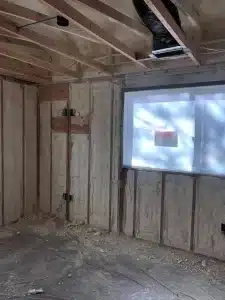
Drafty walls and attics in Medford, OR homes are most effectively addressed by installing closed-cell spray polyurethane foam, which delivers an R-value of approximately 6.5

In Medford’s IECC Climate Zone 4C marine environment, open-cell spray foam works better as a cavity-fill insulation for walls, attics, and crawlspaces because it provides

Choosing the right flat roof waterproofing system depends on your building’s size, climate exposure, budget, and how the roof will be used. There is no

For most property owners facing extreme heat and UV exposure, TPO (Thermoplastic Polyolefin) delivers better performance because of its highly reflective white surface, heat-welded seams,

The closed-cell spray foam insulation R-value runs approximately R-6.0 to R-7.0 per inch, compared to roughly R-3.5 to R-3.8 per inch for open-cell foam. That’s

If you are walking across freezing floors in January or noticing cold air streaming through certain rooms, the problem almost always traces back to missing