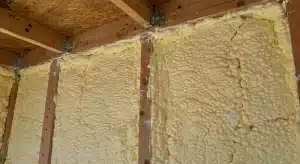
How Spray Foam Insulation Improves Indoor Air Quality
Spray foam insulation solutions directly improve indoor air quality by creating an airtight seal that prevents outdoor pollutants, allergens, and moisture from entering your home.

Spray foam insulation solutions directly improve indoor air quality by creating an airtight seal that prevents outdoor pollutants, allergens, and moisture from entering your home.
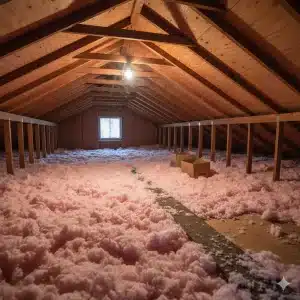
Blown-in insulation eliminates hot and cold spots by creating a continuous thermal barrier that fills gaps and voids where traditional insulation materials often miss. This

Insulation directly improves HVAC efficiency by reducing heat transfer between your home’s interior and the outdoor environment. When insulation prevents heat from escaping during winter
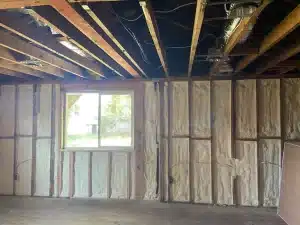
Closed-cell insulation maintains consistent energy efficiency throughout all seasons by creating a continuous air barrier that prevents both heat loss in winter and heat gain
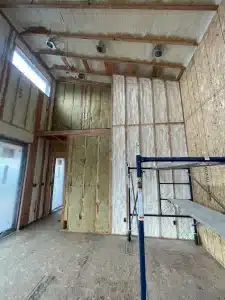
Closed-cell spray foam insulation stops air leaks and heat loss by creating an airtight seal with an R-value of approximately 6.5 per inch, making it

If you’ve been comparing insulation options, you’ve probably come across the closed-cell spray foam R-value of R-6 to R-7 per inch. That high thermal performance
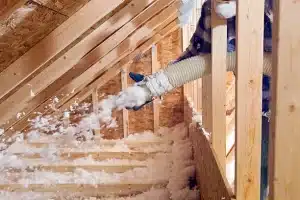
When homeowners weigh cellulose vs fiberglass blown-in insulation, the decision usually comes down to one question: which material keeps a home more comfortable year-round? The

For property owners in Roseburg seeking sustainable insulation solutions, blown-in insulation stands out as the most effective and eco-friendly option. Recycled denim provides another viable

Closed-cell spray foam offers a higher R-value per inch and acts as a vapor barrier, making it generally more energy-efficient in extreme climates and moisture-prone