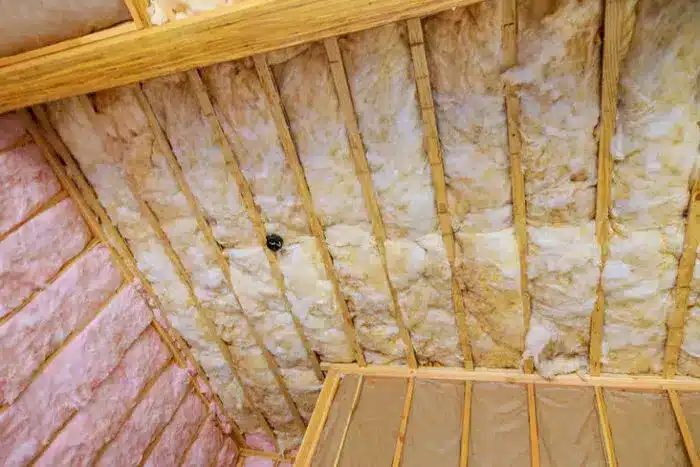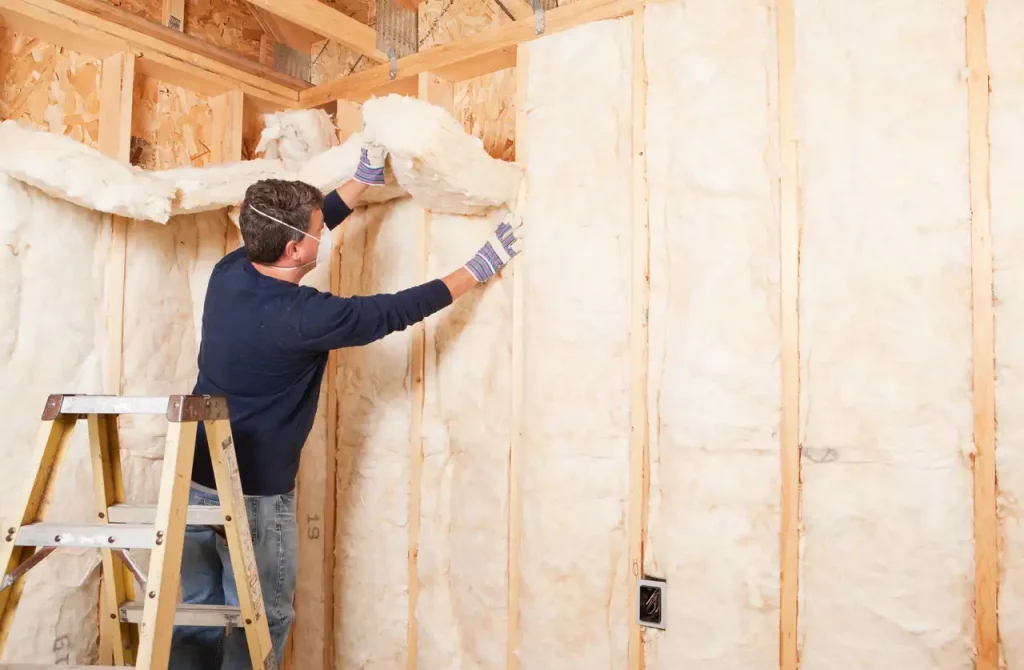
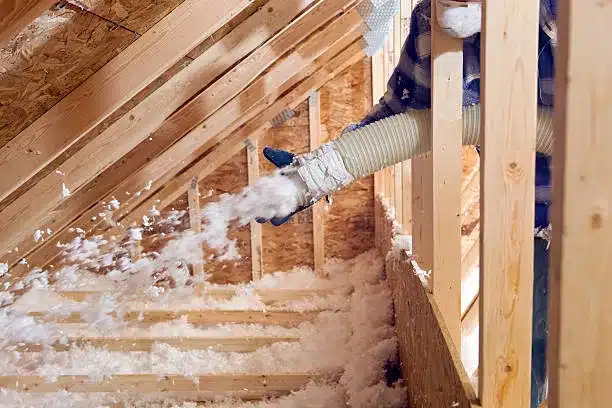
When homeowners weigh cellulose vs fiberglass blown-in insulation, the decision usually comes down to one question: which material keeps a home more comfortable year-round? The short answer is that cellulose typically delivers a higher R-value per inch and stronger air sealing because of its dense, fibrous structure, while fiberglass holds up better against moisture and keeps its R-value steady over time without settling. This guide breaks down how each material actually performs so you can match the right one to your climate and home.
TL;DR
- Cellulose offers a higher R-value per inch (roughly 3.2 to 3.8) and blocks air movement more effectively.
- Fiberglass resists moisture, dries out fast, and barely settles over the years.
- Cold climates and older homes with gaps in framing tend to favor cellulose.
- Humid or leak-prone areas often do better with fiberglass.
- Neither material is universally “better” in the fiberglass vs cellulose insulation debate; it depends on climate, cavity depth, and moisture exposure.
All Foam & Insulation, LLC has installed both materials across a wide range of structures, and the difference in outcomes often comes down as much to installation quality as to the material itself. Before settling on a blown-in product, it helps to review the full blown-in insulation efficiency guide, since this cellulose-vs-fiberglass comparison is only one piece of that larger picture.
R-Value and Density Differences
R-value measures thermal resistance, or how well a material resists heat flow. Fiberglass typically runs between R-2.2 and R-2.7 per inch. Cellulose, being denser, usually lands between R-3.2 and R-3.8 per inch. This is why cellulose vs fiberglass R-value comparisons almost always favor cellulose when the goal is packing more thermal resistance into a shallow cavity.
R-value isn’t the whole story, though. Density shapes how each material behaves in practice. Cellulose is heavy and packs tightly into cavities, while fiberglass is light and fluffy. The weight of cellulose lets it settle around wires and pipes, closing the small gaps where heat tends to escape.
Bonus Tip: When comparing installer bids, check the installed thickness rather than the bag count alone. Some crews fluff fiberglass to cover more square footage, which quietly lowers the real R-value. Ask for the settled depth so the advertised performance matches what actually ends up in the wall or attic.
Material Comparison Table
| Feature | Cellulose Blown-In | Fiberglass Blown-In |
| R-Value per Inch | ~3.2 to 3.8 | ~2.2 to 2.7 |
| Density (lbs/ft³) | 1.5 to 2.5 | 0.5 to 1.0 |
| Weight | Heavy | Light |
| Air Barrier | Good (reduces air movement) | Poor (air passes through easily) |
| Moisture Resistance | Absorbs moisture; dries slowly | Does not absorb water; dries quickly |
Air Infiltration and Stopping Airflow
Insulation does more than slow heat transfer; it also affects how air moves through walls and attics. Fiberglass is porous, so air passes through it fairly easily, similar to wind moving through a filter. If leaks already exist around outlets or window frames, fiberglass does little to stop that draft.
Cellulose behaves differently. Its recycled fibers pack together densely, and that density blocks air movement effectively. According to Energy Star, sealing air leaks is often more important than simply adding more insulation, since air movement alone can account for a large share of a home’s energy loss. This is part of why fiberglass vs cellulose insulation discussions circle back to air sealing rather than R-value alone. Cellulose tackles both issues at once by filling gaps and resisting airflow through the material itself.
Bonus Tip: In older homes with uneven framing or scattered voids, cellulose is often the stronger pick. Its ability to flow into irregular spaces makes it a good fit for retrofitting walls using dense-packing techniques.
Moisture Management and Long-Term Performance
Moisture can undo an insulation job no matter which material was used. Fiberglass doesn’t absorb water; if a leak occurs, water tends to pass through it and reach the floor, where it can be spotted early. Once the leak is fixed, fiberglass dries quickly and returns to its original R-value.
Cellulose is made from recycled paper treated with borates for fire and pest resistance, but it does absorb moisture. If it gets wet, it holds water like a sponge, and while the borates help prevent mold growth, wet cellulose takes a long time to dry out. Left wet too long, it can compress or contribute to rot in the surrounding framing. In climates with heavy rainfall or high humidity, this distinction matters more than it might first appear. The U.S. Department of Energy notes that controlling moisture is essential to a home’s durability and long-term energy efficiency. If moisture keeps showing up in an attic or wall cavity, addressing mold and water damage at the source may matter more than which blown-in material gets chosen.
Settling Over Time
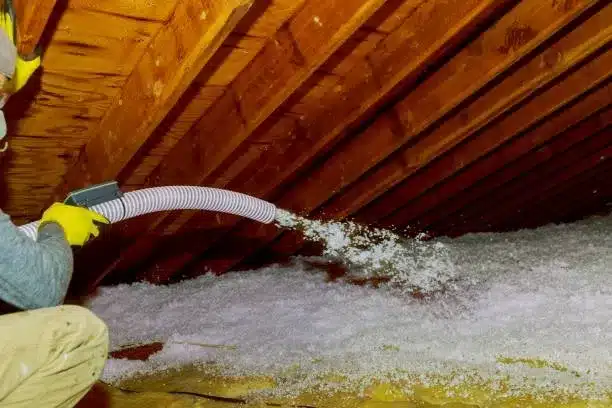
One common concern in the cellulose vs fiberglass blown-in insulation decision is long-term settling. Cellulose compresses under its own weight over time, so installers add extra thickness up front to make sure it still meets the required R-value once it settles.
Fiberglass settles very little and holds its loft for decades without much compression. A properly installed fiberglass job can maintain its stated thermal performance for years without needing to be topped up, provided it was installed at the right density to begin with.
Fire Resistance and Safety
Fire safety is a real point of difference. Manufacturers treat cellulose with borate fire retardants, which make the material resistant to combustion; dense-packed cellulose can actually slow flame spread through wall cavities.
Fiberglass is made from spun glass and is naturally non-combustible, since it’s essentially sand. It won’t burn, though the paper or foil facings on some fiberglass batts can. In blown-in form, fiberglass is considered very safe from a fire standpoint, though it doesn’t offer the same fire-resistive barrier that dense-packed cellulose provides.
Things to Consider Before Making a Decision
Choosing the right material means looking at the whole house, not just the insulation bag.
Climate and Weather Patterns
Homes in very cold climates tend to benefit from cellulose’s higher R-value per inch, especially in tight attic spaces where depth is limited. Homes in humid or wet climates often lean toward fiberglass to avoid moisture retention in the insulation layer.
Existing Structure
It also helps to consider what’s already inside the walls. If a home has degraded or poorly installed fiberglass batts, blowing dense-packed cellulose over or around them can meaningfully improve air sealing. Some homeowners comparing cellulose vs batt insulation find that loose-fill products conform to irregular framing far better than pre-cut batts do. If the goal is simply adding depth to an attic floor, loose-fill fiberglass is quick and effective, and working with an experienced installation crew helps determine which approach actually fits the existing structure before work begins.
Pest Concerns
Cellulose contains borates, which double as a pest deterrent; roaches and ants generally avoid it. Fiberglass doesn’t offer this benefit, though pests can occasionally nest in it if it’s loosely packed.
Bonus Tip: If squirrels or rodents have been a problem in the attic, fiberglass may be the better option. Rodents sometimes burrow into cellulose for nesting, whereas they tend to avoid fiberglass because it irritates their respiratory systems.
Final Thoughts
Both materials offer effective ways to improve a home’s energy efficiency. In the cellulose vs fiberglass blown-in insulation comparison, cellulose stands out for its higher density, stronger R-value per inch, and ability to seal air leaks, while fiberglass excels in moisture resistance, long-term stability, and lighter weight. Which is better, fiberglass or cellulose insulation, ultimately depends on the home’s specific needs, the local climate, and whether air sealing or moisture management matters more.
Homeowners should weigh their own situation: existing insulation, roof leaks, and local weather patterns all play a role. A professional assessment can help determine which material delivers the best long-term comfort and savings. To schedule an assessment, call (541) 826-9600 or email [email protected]
Frequently Asked Questions
Does cellulose insulation rot?
Cellulose is treated with chemicals to resist mold and rot. It only rots if it stays saturated with water for a long period; small leaks or high humidity usually don’t cause rot if the attic is properly ventilated.
Which insulation lasts longer?
Fiberglass doesn’t settle or degrade, so it can last indefinitely. Cellulose settles slightly, then stabilizes, and can last the life of the building as long as it stays dry.
Can cellulose cause corrosion on pipes or wires?
Modern cellulose is treated to be non-corrosive. Older formulations had acidity issues, but current standards make it safe around copper wiring and metal piping.
Is blown-in insulation good for walls?
Yes, dense-pack cellulose works well in walls, filling the cavity completely and stopping air movement. Fiberglass can also be blown into walls, but it requires a mesh or netting system to hold it in place.
Which is better for allergies?
Both materials can trap dust and allergens if not properly sealed, but once installed behind drywall, neither should affect indoor air quality. Cellulose is sometimes preferred since its borates help inhibit mold and mildew growth.
Sources
- Energy Star referenced for guidance on the importance of air sealing relative to added insulation.
- U.S. Department of Energy referenced for guidance on moisture control’s role in home durability and long-term energy efficiency.

- Faced vs. Unfaced Fiberglass Batts in Creswell, OR: Performance and Applications Compared - September 11, 2026
- How to Install Fiberglass Batt Insulation Between Floor Joists in Brookings, OR - September 11, 2026
- Fiberglass Batt Insulation Thickness: How Do You Choose the Right Size? - September 9, 2026