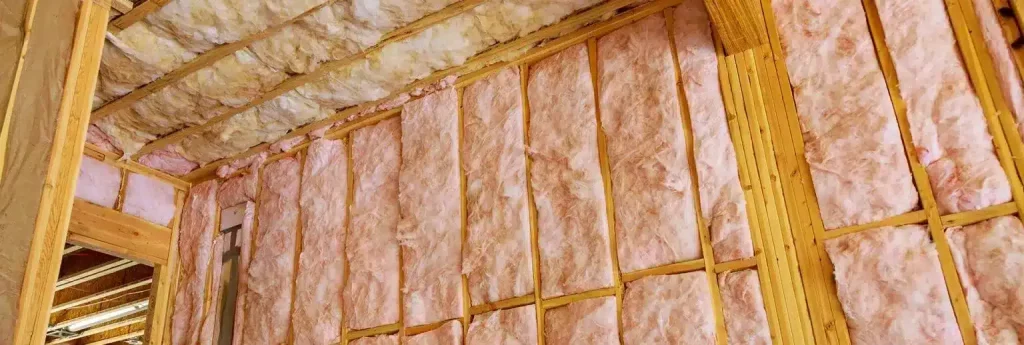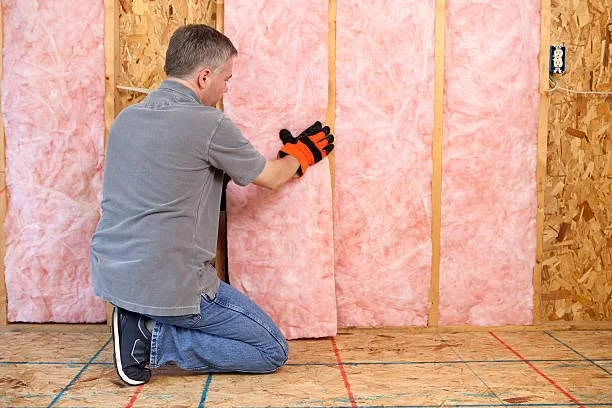
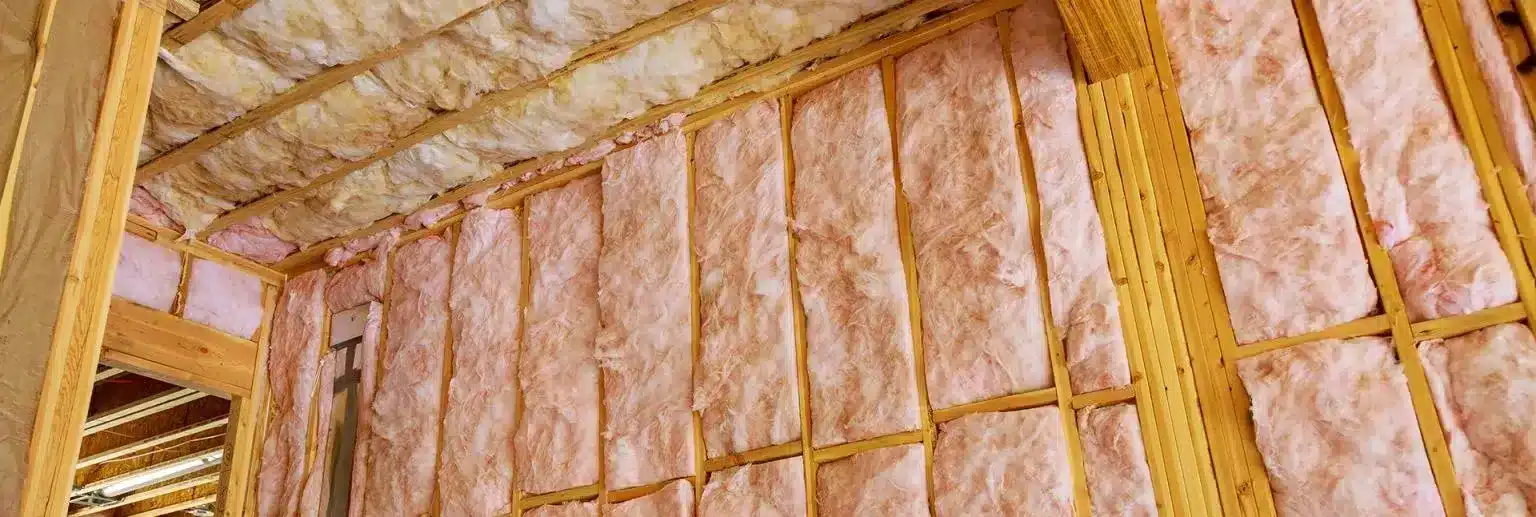
The labeled R-value of fiberglass batts can drop significantly due to mechanical compression, unsealed air leakage (wind-washing), moisture accumulation from winter valley fog, installation gaps around wiring, and pest disturbances. Because fiberglass batt insulation relies on trapped pockets of motionless air to resist heat flow, anything that flattens the material, exposes it to moving air, or fills it with moisture destroys its thermal performance.
TL;DR
- Labeled R-value assumes laboratory conditions, not flawed real-world installations.
- Compressing a batt into a cavity that is too shallow flattens the air pockets that slow down heat.
- Cold drafts flowing through attics strip heat directly out of unsealed fiberglass fibers.
- Medford’s damp winter inversions can cause moisture to condense inside unsealed insulation.
- Even minor gaps along studs can reduce wall thermal efficiency by double-digit percentages.
Why Labeled R-Value Does Not Match Real-World Performance
R-value measures the capacity of an insulating material to resist conductive heat flow. A higher number indicates greater insulating power. However, the number stamped on a roll or batt reflects laboratory conditions: an airtight, perfectly square test box with zero air movement and zero moisture.
In the Rogue Valley, homes face a demanding climate. Jackson County sits in a geographical basin that experiences winter temperature drops into the 20s alongside heavy, stagnant valley fog. In the summer, Medford regularly records temperatures topping 100 degrees, turning unconditioned attics into 140-degree heat chambers.
1. Compression and Loss of Loft
Fiberglass does not stop heat on its own; the thin glass strands simply create millions of tiny air pockets. Those tiny trapped pockets of dead air are what actually resist thermal conduction.
According to technical specifications published by the U.S. Department of Energy, compressing a batt reduces its thickness and drops its total installed R-value below the manufacturer rating. Common problem areas in Southern Oregon homes include:
- Squeezing thick batts behind electrical conduit, water pipes, and junction boxes.
- Shoving insulation into narrow framing corners or shallow roof trusses near exterior eaves.
- Storing heavy boxes or laying plywood directly over loose attic batts.
2. Air Leakage and Wind-Washing
Fiberglass is an insulator, not an air barrier. If you hold a piece of fiberglass up to your face, you can blow air right through it without resistance.
Research conducted by the Building Science Corporation shows that without dedicated air-sealing measures, unconditioned air movement across porous insulation creates thermal bypasses that substantially increase heating and cooling loads. Heated indoor air also rises into the attic through open wall plates, recessed lights, and plumbing chases, cutting right through fiberglass without slowing down.
3. High Humidity, Winter Fog, and Condensation
Medford winters bring prolonged periods of thick, cold fog that settles over the valley floor for weeks. This damp cold tests the boundaries between conditioned indoor living spaces and exterior framing.
When warm, moist air from inside your home leaks into a cold wall cavity or attic, that moisture cools down. Once it reaches the dew point, it condenses into liquid water droplets directly on the fiberglass fibers or adjoining wood framing.
4. Gaps, Voids, and Incomplete Coverage
A continuous thermal boundary requires complete physical contact on all six sides of an enclosed building cavity. Leaving even minor gaps around the edges allows heat to find an easy detour around the insulation.
When handling fiberglass batt insulation installation in Medford, OR, workers must carefully cut the material around electrical boxes, diagonal bracing, and plumbing lines. If an installer tucks a whole batt over a wire instead of slitting the back of the batt so it wraps around the wire, an empty void forms behind the sheetrock.
5. Rodent Activity and Physical Degradation
Because fiberglass is light, soft, and warm, attics and crawlspaces throughout Southern Oregon frequently attract mice, rats, and squirrels looking for nesting materials during cold winter nights.
When rodents invade a batt, they trample tunnels through the center, shredding the glass fibers and flattening the material. The organic droppings, urine, and soil left behind introduce moisture and destroy the loft of the batt. Once an animal packs down the fiberglass, that section loses its trapped air pockets and stops functioning as an insulating layer.
Performance Restoration With Modern Upgrades
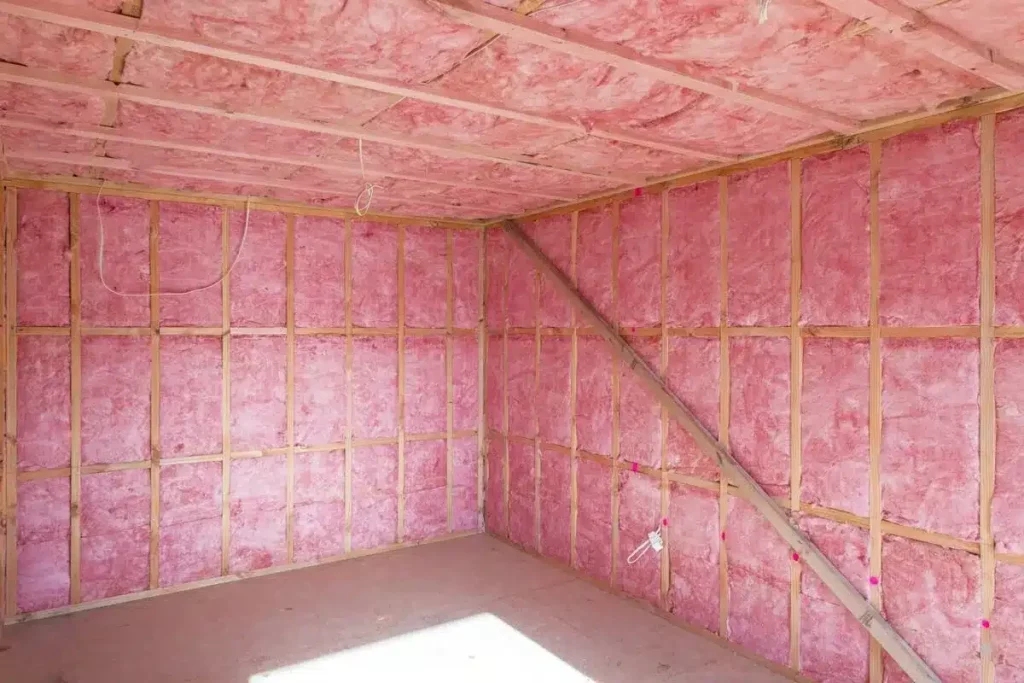
Upgrading your home does not always require discarding every piece of existing insulation. In many older homes across Medford and Jackson County, the key to regaining thermal efficiency lies in pairing existing or new batts with targeted air-sealing measures.
Applying expandable foam along open top plates, sealing ductwork penetrations, and installing rigid baffles at soffit vents stops wind-washing and convective loops. Where homeowners require higher performance in tight wall cavities or vaulted ceilings, combining batts with specialized fiberglass batt insulation solutions such as dense-pack assemblies or hybrid flash-and-batt systems ensures cavities remain completely filled, airtight, and resistant to Rogue Valley temperature swings.
Meeting the energy efficiency standards outlined in the Oregon Building Codes Division residential code requires insulation that is fully aligned with an air barrier on all sides to prevent unwanted heat exchange.
Maximize Your Home’s Efficiency With All Foam & Insulation, LLC
Stop letting cold winter drafts and blistered summer heat drive up your monthly utility bills. All Foam & Insulation, LLC helps property owners throughout Medford, White City, Ashland, and the broader Rogue Valley diagnose why their insulation is underperforming and install lasting fixes that deliver measurable energy savings.
Contact us today to schedule your comprehensive insulation evaluation and discover what our expert fiberglass batt insulation services can do for your property.
- Phone: (541) 826-9600
- Email: [email protected]
Frequently Asked Questions
Can compressed fiberglass insulation regain its original R-value?
No. Once glass fibers are crushed by heavy storage, walking, or tight cramming, they rarely bounce back fully, permanently reducing the batt’s insulating capability.
Why does my Medford attic feel hot even with new insulation?
Fiberglass slows conductive heat but does not stop radiant or convective heat. Without proper ventilation and air-sealing, summer attic heat pushes directly through the porous fibers.
How does moisture get trapped inside wall insulation?
Warm indoor humidity leaks through unsealed outlets, drywall seams, and light switches, condensing into liquid droplets when it meets cold exterior wall sheathing during winter.
What is wind-washing in an attic?
Wind-washing occurs when outdoor air entering through soffit vents blows through porous attic insulation, stripping away trapped heat and severely degrading the installed R-value.
How can I tell if my insulation was installed poorly?
Look for uneven batt thickness, rounded corners, gaps around electrical wiring, or hollow pockets that expose wooden wall studs to bare drywall surfaces.
Sources
- U.S. Department of Energy – Official technical guidelines on insulation materials, mechanical compression, and nominal versus installed R-value ratings.
- Building Science Corporation – Building physics research covering roof ventilation, convective wind-washing, and thermal bypass dynamics.
- Oregon Building Codes Division – Current Oregon Residential Specialty Code guidelines covering thermal performance and building envelope air-sealing standards.

- How Can Medford Property Owners Extend the Lifespan of a Membrane Roofing System? - November 4, 2026
- What Factors Can Reduce the R-Value of Fiberglass Batts in Medford, OR? - November 4, 2026
- Fiberglass Batt vs. Roll Insulation in Ashland, OR: What’s the Difference? - October 15, 2026