Fiberglass batt and roll insulation are both made from the same glass fiber material and provide the same thermal performance per inch. The only real difference is their form factor. Batts are pre-cut into shorter panels, typically four to eight feet long, while rolls are continuous lengths of insulation.
For most home projects, the choice between them comes down to the physical layout of your framing. Because the material is identical, you aren’t choosing between two different types of insulation, but rather picking the most efficient shape for your space.
Understanding the Difference: Batts vs. Rolls
While they share the same DNA, these two formats serve different physical needs during installation.
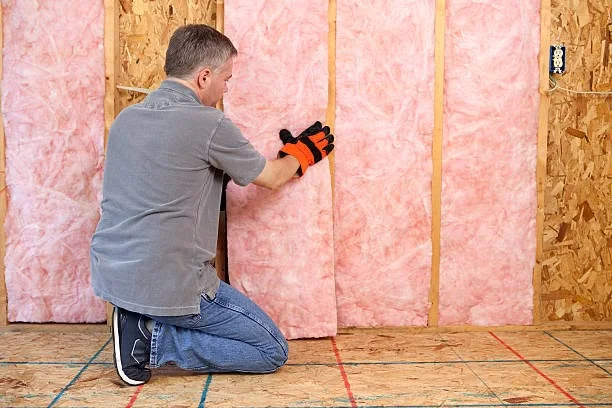
Fiberglass batts are manufactured as individual, rigid panels. They are designed to fit perfectly into standard wall stud cavities or floor joist bays. Because they are pre-cut, they work well for areas with frequent interruptions, such as wall sections filled with electrical outlets, switches, and blocking.
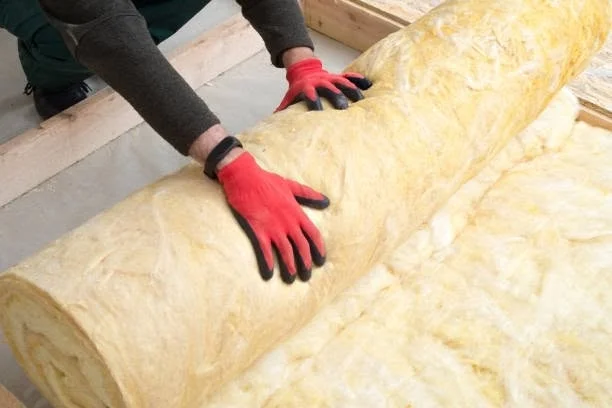
Fiberglass rolls, by contrast, come in long, continuous strips. They are designed for large, open spaces where you can lay the material down without having to make constant cuts. Attics are the most common application for rolls because you can unroll the insulation across the joists and move quickly across the space.
Is Fiberglass Batt or Roll Right for Your Project?
Choosing the right format depends entirely on the area of your home you are insulating. Using the wrong format won’t necessarily result in poor thermal performance if the installation is done well, but it will make your work significantly more difficult and time-consuming.
- Choose Batts for Walls and Obstructed Areas: When you are working in vertical wall cavities, you need to navigate around wiring, plumbing pipes, and horizontal fire blocking. Pre-cut batts are easier to handle in these tighter, vertical spaces.
- Choose Rolls for Attics and Open Floors: If you are insulating an unfinished attic floor, a continuous roll allows you to cover large spans of joists with fewer seams. Fewer seams mean less opportunity for air leaks and heat loss.
Why Installation Quality Determines Your R-Value
In the industry, we often say that the best insulation product in the world will perform poorly if it is installed incorrectly. The ENERGY STAR program emphasizes that for insulation to provide its rated R-value, it must be installed to Grade 1 standards. This means the material must be cut to fit snugly against all framing members without gaps or compression.
The most common mistake we see in both DIY and improper professional installations is compression. Fiberglass insulation relies on millions of tiny air pockets trapped within the glass fibers to stop heat transfer. If you squeeze or “stuff” a thick piece of insulation into a cavity that is too small, you crush those air pockets.
When you compress the material, you effectively lower the R-value. A piece of insulation rated for R-21 might perform at half that value if it is compressed into a space meant for a thinner product. Furthermore, if the insulation does not touch all sides of the cavity, you create air gaps that allow heat to bypass the insulation entirely.
Addressing the Compression Trap
To avoid performance loss, you must never force insulation into a space. If you are using batts in a wall cavity that has a series of electrical wires running through it, you should not simply push the insulation over the wires. Instead, you must carefully split the batt or cut it to fit around the obstruction. This ensures the material remains at its full, intended loft.
Insulation Requirements for the Ashland, OR Climate
Local climate conditions dictate how much insulation your home needs to remain comfortable and energy-efficient. Ashland is located in a region where winter temperatures can drop significantly, requiring high thermal resistance in attics to keep heat inside the home.
According to the U.S. Department of Energy, homes in our climate zone typically require an attic insulation level between R-49 and R-60. Whether you choose batts or rolls, the goal is to reach this target R-value consistently across the entire ceiling plane. In many older Ashland homes, the existing insulation has settled or was installed at levels that no longer meet these modern standards.
The All Foam & Insulation Advantage
While buying insulation is a simple retail task, installing it to meet Grade 1 standards is a skilled trade. We understand that home insulation is an investment in your comfort and your monthly energy bills.
All Foam & Insulation, LLC specializes in identifying exactly where your home is losing energy. If you are unsure whether your attic, walls, or floors need a specific thickness of batts or the consistent coverage of rolls, we can provide a professional assessment. We serve the Ashland area with a focus on proper air sealing and precise insulation installation to ensure your home performs as it should.
Contact Joe at All Foam & Insulation, LLC at (541) 826-9600 to discuss your home’s insulation requirements.
Frequently Asked Questions
Does one format cost more than the other?
Generally, there is very little price difference between batts and rolls of the same R-value and quality. The cost is driven more by the thickness and the presence of a facing (paper vapor barrier) than by the form factor.
Is fiberglass insulation dangerous to handle?
Fiberglass is made of tiny glass shards that can irritate the skin, eyes, and lungs. Professional installers use appropriate Personal Protective Equipment (PPE), including respirators, gloves, and long sleeves, to manage these risks. If you are handling it yourself, ensure you have the correct safety gear.
Can I mix batts and rolls in the same project?
Yes. It is common to use rolls for the bulk of an attic floor and switch to batts when you reach areas with tighter framing or obstructions. The material is the same, so there are no compatibility issues.
What is “facing” on insulation?
Some batts and rolls come with a paper or foil backing, known as a facing. This acts as a vapor retarder. In many Oregon climates, building codes dictate whether you need a vapor retarder and on which side of the insulation it should be placed.
How do I know if my current insulation is performing correctly?
A professional inspection can determine if your insulation has reached the end of its lifespan or if it simply needs to be topped off to meet modern R-value recommendations for the Ashland climate.
Sources
- ENERGY STAR – Detailed methodology for sealing and insulating homes to meet performance standards.
- U.S. Department of Energy – Comprehensive guide on insulation types, R-values, and recommended levels by climate zone.

- Fiberglass Batt vs. Roll Insulation in Ashland, OR: What’s the Difference? - October 15, 2026
- How Does Thermal Bridging Affect Closed-Cell Spray Foam Performance in Medford, OR? - October 13, 2026
- Why Do Medford Commercial Buildings Benefit From Closed-Cell Spray Foam? - October 13, 2026