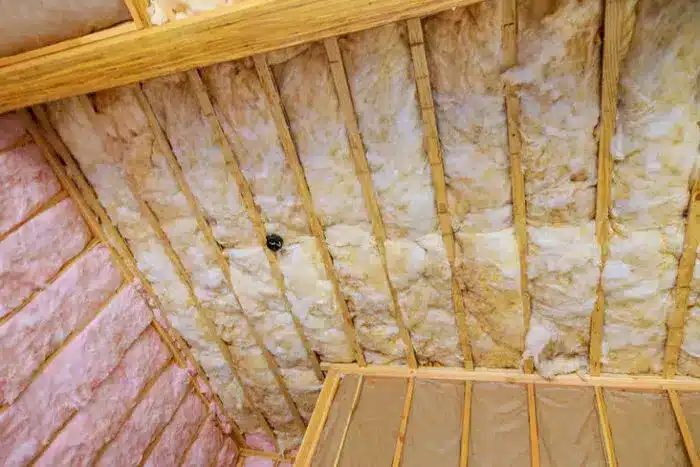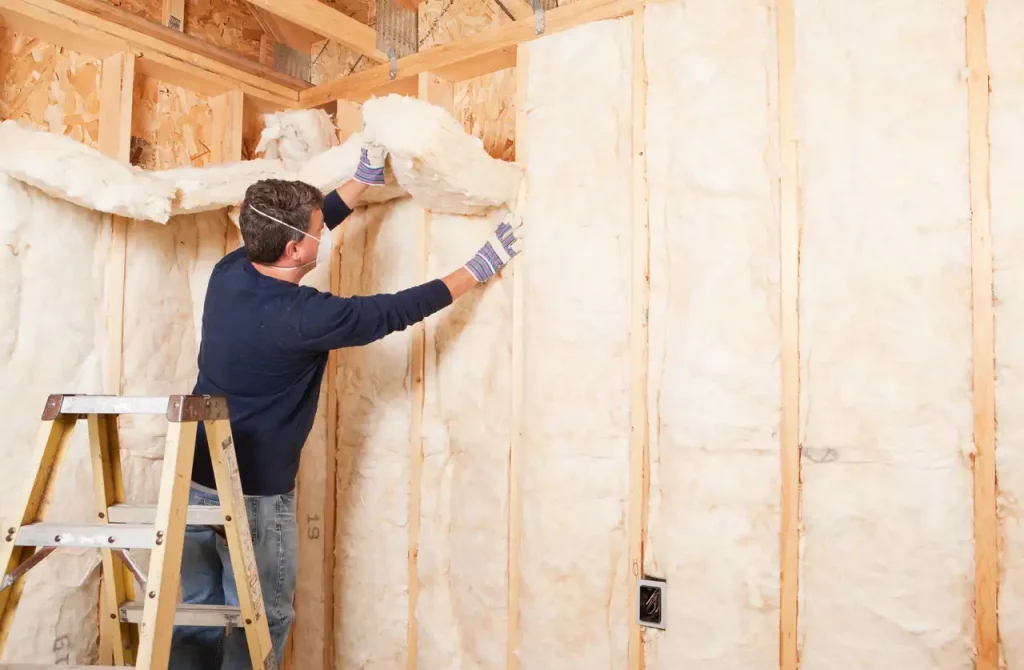
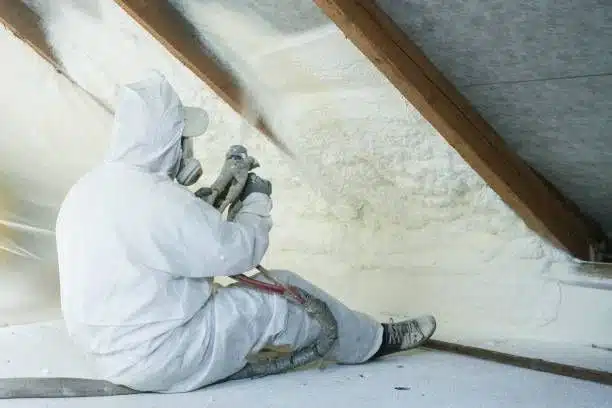
The effectiveness of spray polyurethane foam (SPF) relies heavily on a precise exothermic chemical reaction that is highly sensitive to both ambient and substrate temperatures. In Central Point, OR, where the climate fluctuates between hot, dry summers and near-freezing winters, these temperature variations directly impact the cellular structure of the foam. The right application approach depends on aligning chemical formulations, such as winter or summer blends, with active environmental conditions. When applied outside optimal temperature windows, the foam’s cell structure can suffer from shrinkage, poor adhesion, decreased yield, or compromised R-values. By managing drum temperatures, hose heat, and substrate conditions, we ensure that the cellular expansion cures perfectly, maximizing both energy efficiency and structural longevity for residential and commercial properties.
TLDR / Key Takeaways
- Chemical Sensitivity: Spray foam is created by mixing two chemicals (A-side isocyanate and B-side resin). Temperature dictates the viscosity of these liquids and the speed of their reaction.
- Cold Weather Risks: Substrates below 40°F can cause the foam to cool too quickly, leading to increased density, lower yield, and poor adhesion to the framing.
- Hot Weather Challenges: Excessive heat accelerates the blowing agent, causing the foam to expand too fast, which can result in blowholes, blistering, or a spongy cell structure.
- Substrate vs. Ambient Temp: The temperature of the actual surface being sprayed (substrate) is often more critical than the air temperature (ambient) when determining cell formation.
- Custom Formulations: Utilizing specific seasonal blends (winter vs. summer formulas) is essential for maintaining consistent cell structure in Central Point’s variable climate.
- Yield and ROI: Proper temperature management ensures maximum volume expansion (yield), which keeps material costs predictable and ensures the highest long-term return on investment.
The Science Behind Spray Foam Cell Structure
To understand how local weather affects insulation, we must first look at the chemistry. Spray foam relies on an exothermic chemical reaction between isocyanate and polyol resin. As detailed by the Wikipedia page on Polyurethane, this reaction generates its own heat to expand and cure the foam into a solid cellular plastic.
At All Foam & Insulation, LLC, we monitor this reaction constantly. If the environment steals that generated heat too quickly (in winter) or compounds it (in summer), the cell walls of the foam are directly affected. Closed-cell foam relies on tightly packed, rigid cells to provide high density and moisture barriers. Open-cell foam relies on softer, interconnected cells for sound dampening and rapid expansion. Any disruption in the reaction temperature will warp these microscopic structures, undermining the material’s performance.
Central Point’s Climate Challenges
Central Point, OR, located in the Rogue Valley, experiences significant seasonal shifts. Summer temperatures routinely climb into the 90s, baking roof decks and attic spaces to well over 120°F. Conversely, winter nights can drop into the low 30s, leaving wall cavities and crawlspaces freezing cold.
When applying spray foam, we must account for these extremes. According to guidelines from the Department of Energy on Insulation, achieving the stated R-value of insulation product requires strict adherence to proper installation protocols. If cold weather causes closed-cell foam to shrink, it creates gaps where air can leak, effectively neutralizing the R-value of the entire wall assembly.
Impact of Cold Temperatures on Cell Structure
When the substrate or ambient air in Central Point is too cold, the A-side and B-side chemicals become thick and viscous. Even with heated hoses, spraying onto a freezing surface like cold plywood or metal causes the exothermic heat to be sapped away instantly.
This results in a “pancaking” effect. The cells fail to expand fully, causing the foam to become overly dense. Not only does this drastically reduce the yield, costing more in materials, but it can also lead to shrinkage as the foam cures. Furthermore, as highlighted by the Environmental Protection Agency (EPA) guidelines on SPF safety, an incomplete chemical reaction due to cold temperatures can lead to prolonged off-gassing and lingering odors, making precise temperature control a matter of both performance and safety.
Impact of Hot Temperatures on Cell Structure
Summer installations in Central Point present the opposite problem. When a roof deck is superheated by the August sun, the chemical reaction accelerates rapidly. The blowing agents inside the foam vaporize too quickly.
This hyper-expansion stretches the cell walls too thin, creating a brittle foam that is prone to cracking. In severe cases, the heat causes the chemical mixture to off-gas rapidly, blowing large voids or “blowholes” within the insulation layer. To combat this, we adjust our equipment pressure, utilize summer-blend resins, and carefully monitor the hose heat to keep the reaction stable. The Spray Polyurethane Foam Alliance (SPFA) stresses that maintaining a stable temperature delta between the equipment and the environment is the only way to guarantee a consistent cell structure during extreme heat.
Equipment and Strategy Adjustments
To mitigate the effects of temperature variations, we employ advanced climate-control strategies. We use drum heaters to maintain the core temperature of the chemicals, proportioners to ensure an exact 1:1 mix ratio regardless of viscosity, and heated hoses to deliver the product at the perfect temperature to the spray gun.
Table 1: Temperature Extremes and Cell Structure Outcomes
| Temperature Condition | Impact on Chemicals | Cell Structure Outcome | Expected Result on Performance |
|---|---|---|---|
| Optimal (60°F – 80°F) | Smooth flow, perfect viscosity | Uniform, stable cells | Maximum R-value, superior adhesion, maximum yield. |
| Cold (< 40°F) | High viscosity, thick liquids | Dense, unexpanded cells | Shrinkage, poor adhesion, lower yield, gaps in framing. |
| Hot (> 90°F) | Low viscosity, rapid reaction | Over-expanded, thin-walled cells | Blowholes, brittle texture, reduced structural integrity. |
Table 2: Seasonal Spray Strategies in Central Point, OR
| Season | Typical Substrate Temp | Recommended Approach | Key Notes |
|---|---|---|---|
| Winter | 30°F – 50°F | Winter-blend resin, space heaters in work area | Requires extra time to warm the substrate before application. |
| Summer | 85°F – 120°F+ (Attics) | Summer-blend resin, early morning applications | Critical to monitor roof deck temperatures to prevent blistering. |
| Spring/Fall | 55°F – 75°F | Standard blends, standard hose heat | The most ideal conditions for predictable yield and rapid curing. |
Recommendations by Audience
- Residential Homeowners (Retrofits): When upgrading attic or crawlspace insulation, the strategy must account for existing passive temperatures. We recommend scheduling attic sprays during the cooler morning hours in the summer to prevent blowholes in the roof deck foam.
- New Construction Builders: Because new framing is fully exposed to the elements, we strongly advise coordinating insulation phases during moderate weather windows or allowing us to temporarily seal and heat the structure in winter. This ensures the cellular structure bonds permanently to the raw lumber.
- Commercial Property Managers: For large metal buildings or flat roof applications, metal substrates fluctuate wildly in temperature. We utilize specialized high-adhesion blends and apply the foam in precise “lifts” (layers) to control the exothermic heat buildup and ensure structural stability.
Signs You’ve Found the Right Approach
Evaluating the quality of a spray foam application comes down to observing the physical characteristics of the cured product. You will know the approach was successful when:
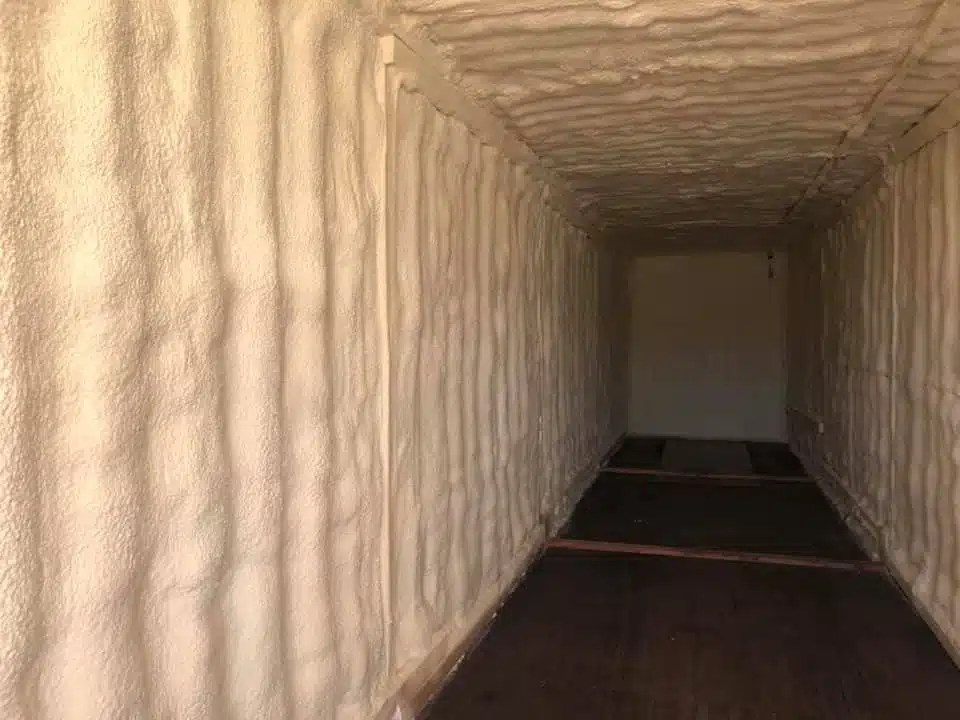
- Consistent Texture: The surface of the foam looks relatively uniform, resembling an egg carton, without massive voids, blisters, or brittle flaking.
- Firm Adhesion: The foam clings tightly to the studs or rafters. There should be no visible pulling away or gaps between the foam and the wood.
- No Lingering Odors: A properly mixed and temperature-controlled application cures rapidly. Once the required ventilation period has passed, there should be no strong chemical smells.
- Accurate Density: Closed-cell foam should feel hard and rigid to the touch, while open-cell foam should feel spongy but resilient. If closed-cell feels soft, the temperature was likely incorrect during application.
Ready to Optimize Your Insulation Strategy?
Whether you are battling the winter chill or the summer heat, getting your insulation right requires precision, expertise, and the best tools in the industry. All Foam & Insulation, LLC stands as the expert solution to elevate your operational success, ensuring your business connects with the clients who need high-quality temperature-controlled insulation applications.
Contact Details: PHONE NO: (541) 826-9600 Email Address: [email protected]
Partner with the experts who understand the science of your success reach out today to secure your competitive advantage.
FAQs
Can spray foam be applied in the middle of a Central Point winter?
Yes, but it requires specific preparation. We utilize winter-blend chemicals formulated to react at lower temperatures, and we often use portable heaters to warm the ambient air and substrate to an acceptable baseline before spraying.
Why does spray foam sometimes pull away from the studs?
This phenomenon, known as shrinkage, happens when the foam is applied to a cold substrate or the chemical mixture is too cold. The reaction is stunted, and as the dense foam finally cools, it contracts, breaking the bond with the framing.
Does high humidity in the Rogue Valley affect cell structure?
Absolutely. High ambient moisture or damp substrates can react with the A-side isocyanate, creating carbon dioxide bubbles. This leads to a spongy, poor-quality cell structure. Wood moisture content must be below 18% before spraying.
What is the difference between open-cell and closed-cell temperature sensitivity?
Closed-cell foam is generally more sensitive to cold substrates because it requires more exothermic heat to form its rigid, dense structure. Open-cell expands much faster and can sometimes be slightly more forgiving in cooler ambient air, though substrate temperatures remain vital.
How long does the chemical reaction take to complete?
The initial expansion and primary cure happen within seconds to minutes, depending on the temperature. However, the complete chemical curing process, where the cell structure permanently sets, typically takes 24 hours.
Sources
- Wikipedia: Polyurethane – Exothermic Chemical Reactions. https://en.wikipedia.org/wiki/Polyurethane
- Department of Energy (DOE): Insulation Guidelines and R-Values. https://www.energy.gov/energysaver/insulation
- Spray Polyurethane Foam Alliance (SPFA): Industry Guidelines for Spray Foam Application Temperatures. https://www.sprayfoam.org/

- Faced vs. Unfaced Fiberglass Batts in Creswell, OR: Performance and Applications Compared - September 11, 2026
- How to Install Fiberglass Batt Insulation Between Floor Joists in Brookings, OR - September 11, 2026
- Fiberglass Batt Insulation Thickness: How Do You Choose the Right Size? - September 9, 2026