Identifying roof damage in Medford requires inspecting exterior shingles for physical wear and examining interior attic spaces for signs of moisture intrusion. Property owners should look for dark water spots on ceilings, monitor attic humidity levels, and ensure proper air sealing along the roof deck. Catching thermal leaks and minor moisture issues immediately prevents minor structural defects from escalating into costly total roof replacements. Routine visual assessments combined with updated attic insulation form the best defense against severe weather deterioration.
TLDR / Key Takeaways
- Inspect attics biannually for daylight showing through roof boards and the presence of dark water stains on rafters.
- Upgrade attic insulation to maintain consistent roof deck temperatures and prevent structural rot during winter freezing conditions.
- Monitor exterior shingles for blistering or curling caused by poor attic ventilation trapping extreme summer heat.
- Check areas around roof penetrations like chimneys and vents where traditional caulking frequently fails over time.
- Utilize closed-cell spray foam to create an impermeable moisture and air barrier directly under the roof deck.
- Address sagging roof lines immediately because this indicates decaying decking from prolonged hidden moisture exposure.
The Impact of the Medford Climate on Roof Integrity
Medford experiences distinct seasonal shifts that put significant stress on building materials. High summer temperatures bake exterior shingles. This intense heat causes roofing materials to become brittle and lose protective granules over time. During colder, wet winter months, constant moisture tests the resilience of the structural decking. Understanding how these temperature swings affect building materials is the first critical step in identifying early warning signs of failure.
The Federal Emergency Management Agency outlines proactive roof maintenance as a primary defense against severe weather damage. The agency emphasizes that a well-maintained thermal envelope reduces overall structural stress on a building. When roofing materials expand in the summer heat and contract in the winter cold, traditional seals around vents and chimneys weaken. Identifying these compromised areas before heavy rains arrive prevents extensive water damage to the interior living space.
Spotting Interior Signs of Roof Deck Failure
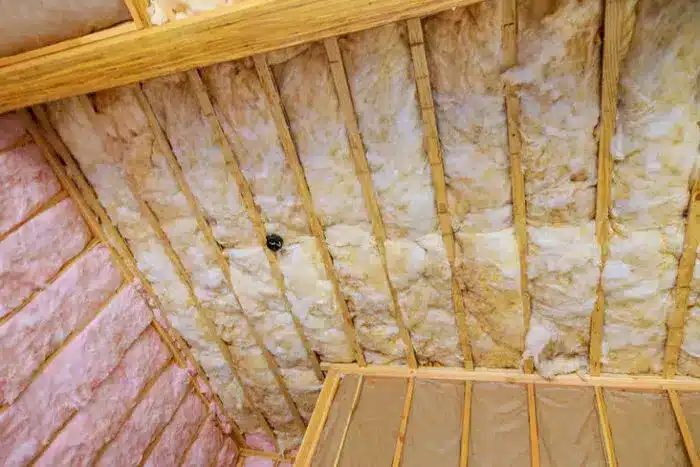
Roof damage often goes unnoticed from the outside until a major leak destroys interior drywall. The most effective way to identify vulnerabilities before matters get worse is by inspecting the interior attic space. Building professionals and homeowners should look for condensation forming on the tips of membrane roofing nails protruding through the decking. This moisture indicates that warm indoor air is bypassing the ceiling plane and hitting the cold roof deck. Over time, this condensation drips down, dampening traditional insulation guide and rotting structural wood framing.
The Environmental Protection Agency warns that unmitigated moisture accumulation inside attics quickly leads to harmful mold growth. Mold degrades interior air quality and compromises the health of the building occupants. Finding rusty nails, damp wood, or localized mold spots on the underside of the roof sheathing guarantees that the roof system is failing. Addressing these interior warning signs early stops exterior roofing layers from prematurely collapsing.
The Crucial Role of Insulation in Preventing Roof Damage
Insulation provides much more than basic temperature control. High quality insulation plays a direct role in preserving the structural integrity of the roof assembly. In traditional vented attics, inadequate insulation allows heat to escape into the attic space. This escaped heat melts frost or snow on the roof, which then refreezes at the cold eaves to form destructive ice dams. These ice dams act as wedges, forcing water under the shingles and rotting the roof deck from the outside in.
According to the Department of Energy, maintaining proper R-values and eliminating thermal bridging are essential steps to preventing heat loss and subsequent moisture damage. Upgrading attic insulation stops the thermal transfer that drives this destructive freeze and thaw cycle. Furthermore, modern insulation techniques block the upward movement of humid indoor air, cutting off the moisture supply that fuels attic mold and wood decay.
Why Closed-Cell Foam is the Standard for Roof Protection
Building science heavily favors unvented attic assemblies utilizing closed-cell spray foam applied directly to the underside of the roof deck for maximum longevity. The Building Science Corporation explains that unvented roof deck designs mitigate condensation risks by bringing the attic space entirely into the conditioned thermal envelope of the building.
Closed-cell foam creates a seamless monolithic barrier that stops humid indoor air from ever reaching the cold roof sheathing. This application eliminates the risk of winter condensation while providing immense structural rigidity to the roof itself. Unlike traditional fiberglass batts that degrade when exposed to moisture, closed-cell foam rejects water. This makes it an incredibly resilient solution for properties located in areas prone to heavy seasonal precipitation.
Insulation Performance Comparison
| Insulation Type | R-Value per Inch | Air Barrier | Moisture Barrier | Best For |
|---|---|---|---|---|
| Closed-Cell Spray Foam | R-6.0 to R-7.0 | Yes | Yes | Unvented roof decks, damp climates, structural reinforcement |
| Open-Cell Spray Foam | R-3.5 to R-3.8 | Yes | No | Interior walls, soundproofing, dry attics |
| Fiberglass Batts | R-2.9 to R-3.8 | No | No | Budget-friendly ceiling floor applications |
| Blown-in Cellulose | R-3.1 to R-3.8 | No | No | Retrofitting flat attic floors |
Real-World Early Detection Scenarios
| Scenario | Home Type | Problem | Solution | Outcome |
|---|---|---|---|---|
| Condensation Build Up | 1980s Ranch | Frost on roofing nails causing slow drips onto drywall. | Removed old batts and applied closed-cell foam to the roof deck. | Eliminated attic condensation and improved overall HVAC efficiency. |
| Shingle Blistering | Mid-Century Modern | Vaulted ceilings trapping heat and baking exterior roofing materials. | Injected specialized foam into the vaulted ceiling cavities. | Lowered roof deck temperatures and extended the life of the new shingles. |
| Flashing Failure | Two-Story Craftsman | Water seeping around the chimney during heavy winter rain. | Repaired flashing and air sealed the surrounding attic penetrations. | Stopped heat transfer to the roof and prevented further interior water damage. |
| Pest Intrusion | Rural Farmhouse | Rodents entering through compromised eaves and destroying insulation. | Sealed all eaves and roofline gaps with expanding closed-cell foam. | Blocked pest entry points while simultaneously lowering winter heating costs. |
Actionable Strategies for Building Professionals
- Conduct Comprehensive Attic Inspections. Professionals must visually inspect the underside of the roof deck during the coldest months. Checking for frost accumulation on the sheathing is a foolproof way to identify exactly where warm air is escaping. Documenting these thermal bypasses allows for precise and effective air sealing.
- Prioritize Air Sealing Before Insulating. Adding bulk insulation without addressing underlying air leaks is a frequent installation error. Air sealing all wire penetrations, plumbing stacks, and top plates ensures that humid air cannot reach the roof deck. Skipping this critical step guarantees future moisture damage regardless of the insulation thickness applied.
- Transition to Unvented Attic Assemblies. When roof decking requires replacement due to severe rot, upgrade the home to an unvented attic system. Applying closed-cell spray foam directly to the underside of the new decking protects the wood from future moisture. This modern approach eliminates the need for complex soffit and ridge vent calculations.
- Utilize Thermal Imaging Tools. Infrared cameras serve as essential tools for spotting hidden moisture within roof assemblies. Scanning vaulted ceilings and flat roofs during severe temperature differentials reveals wet insulation and rotting wood long before obvious water stains appear on the interior drywall.
Factors That Affect Roof and Insulation Performance
Climate Zone Classifications
Medford falls into a mixed climate zone requiring insulation strategies that handle severe summer heat alongside freezing winter temperatures. The local climate zone dictates the necessary R-value and determines whether a dedicated vapor retarder is legally required by municipal building codes. Understanding these regional dynamics ensures the chosen materials perform year-round correctly.
Insulation Thickness and Application Quality
The performance of spray foam relies entirely on proper application thickness. Closed-cell foam requires a minimum of two inches to establish an effective moisture barrier. Applying foam too thin leaves the roof deck vulnerable to vapor diffusion. Conversely, applying foam too thick in a single pass leads to poor curing and compromised thermal resistance.
Building Age and Structural Settling
Older homes naturally settle and shift over time. This shifting pulls apart traditional caulk and creates brand new air leaks at the roofline. Rigid materials often crack under this structural stress. Spray foam remains tightly adhered to the building materials, flexing slightly with the structural movement to maintain a permanent air seal over several decades.
Vapor Diffusion Dynamics
Understanding how moisture moves through building materials is crucial for preventing roof failure. Roofs must be allowed to dry in at least one direction. Applying impermeable membranes on both the top and bottom of a roof deck traps inevitable moisture inside the wood. Building professionals must carefully balance vapor diffusion dynamics to ensure the structural wood can breathe properly.
Protect Your Roof with Advanced Insulation Solutions
Identifying roof damage early saves significant time and money, but the ultimate defense against structural decay starts from the inside out. Proper air sealing and premium insulation stop the moisture and temperature fluctuations that destroy roofing materials prematurely. All Foam & Insulation, LLC provides the expert solution for Medford, OR, homeowners and building professionals seeking permanent protection against the elements. We deliver state-of-the-art closed-cell spray foam applications specifically designed to fortify your roof deck and lower your monthly energy costs.
Contact details:
Company: All Foam & Insulation, LLC
Phone: (541) 826-9600
Email: [email protected]
Secure your property today with a high-performance insulation system engineered to outlast the harshest seasonal conditions.
FAQs
What is the most common cause of early roof damage in Medford?
The most common cause is poor attic air sealing. Warm indoor air escapes into the cold attic space, creating condensation on the roof deck that eventually leads to wood rot and structural decay.
Can upgrading my insulation really prevent roof leaks?
Yes. Proper insulation and comprehensive air sealing keep the roof deck at a consistent temperature. This stops ice from forming and prevents water from backing up under your exterior shingles.
How do I know if my roof decking is rotting from the inside?
Signs of rotting decking include visible sagging from the exterior, a noticeably spongy feeling when walking on the roof, and dark water stains visible on the rafters inside the attic.
Is closed-cell spray foam safe to spray directly on roof decking?
Yes. Closed-cell foam is highly recommended for unvented attic assemblies because it creates an impermeable barrier that protects structural wood from interior moisture while dramatically increasing wind uplift resistance.
How often should I check my attic for early signs of roof leaks?
You should inspect your attic at least twice a year. Checking in the late fall before heavy winter rains arrive and in the early spring helps catch minor moisture issues before they spread to your drywall.
Sources

- Faced vs. Unfaced Fiberglass Batts in Creswell, OR: Performance and Applications Compared - September 11, 2026
- How to Install Fiberglass Batt Insulation Between Floor Joists in Brookings, OR - September 11, 2026
- Fiberglass Batt Insulation Thickness: How Do You Choose the Right Size? - September 9, 2026