When upgrading attic spray foam insulation in Grants Pass, OR, to maximize energy savings, the top spray foam options are open-cell polyurethane foam and closed-cell polyurethane foam. The right choice depends on your specific roof structure, budget, and vapor barrier requirements; there is no single absolute “best” option for every property. Open-cell foam offers a highly cost-effective, rapidly expanding solution that excels at soundproofing and filling complex attic cavities. Closed-cell foam, on the other hand, provides maximum thermal resistance (R-value) per inch, adds structural integrity to the roof deck, and acts as a built-in moisture and vapor barrier. By encapsulating the attic space with the appropriate spray foam strategy, we at All Foam & Insulation, LLC can help you dramatically reduce HVAC workloads, lower monthly utility bills, and stabilize indoor temperatures against the extreme heat and cold of Southern Oregon.
TLDR / Key Takeaways
- Two Primary Strategies: The industry standards for attic encapsulation are open-cell foam (breathable, highly expansive) and closed-cell foam (dense, moisture-blocking).
- Energy Savings and ROI: Proper attic spray foam application typically yields a noticeable reduction in monthly heating and cooling costs, often paying for itself within 5 to 7 years through reduced utility expenses.
- Grants Pass Climate Match: Given the hot summers and cold winters in Grants Pass, OR unvented attic encapsulation brings ductwork into the conditioned envelope, preventing massive energy loss.
- Implementation Speed: Professional spray foam installation in a standard residential attic can generally be completed in one to two days, providing immediate thermal benefits.
- Structural Benefits: Closed-cell spray foam hardens upon curing, which can increase the racking strength of a roof deck, making it highly resistant to extreme weather and high winds.
- Common Pitfalls to Avoid: Failing to remove old, degraded traditional insulation or ignoring existing roof leaks before spraying can trap moisture and drastically reduce long-term effectiveness.
Main Content Sections
Understanding the Grants Pass Climate and Energy Loss
In Southern Oregon, homes endure a Mediterranean-style climate characterized by hot, dry summers and chilly, damp winters. Traditional vented attics allow extreme exterior temperatures to enter the home’s upper envelope. During a summer day in Grants Pass, a vented attic can easily exceed 140°F. If your HVAC ductwork runs through this superheated space, your air conditioning system is fighting a losing battle.
By applying spray foam directly to the underside of the roof deck, a process known as creating an unvented attic, we bring the entire attic space into the home’s conditioned thermal envelope. According to the U.S. Department of Energy, properly sealing and insulating the building envelope can save homeowners an average of 15% on heating and cooling costs, though many homes in extreme climates see even higher savings.
Option 1: Open-Cell Spray Foam
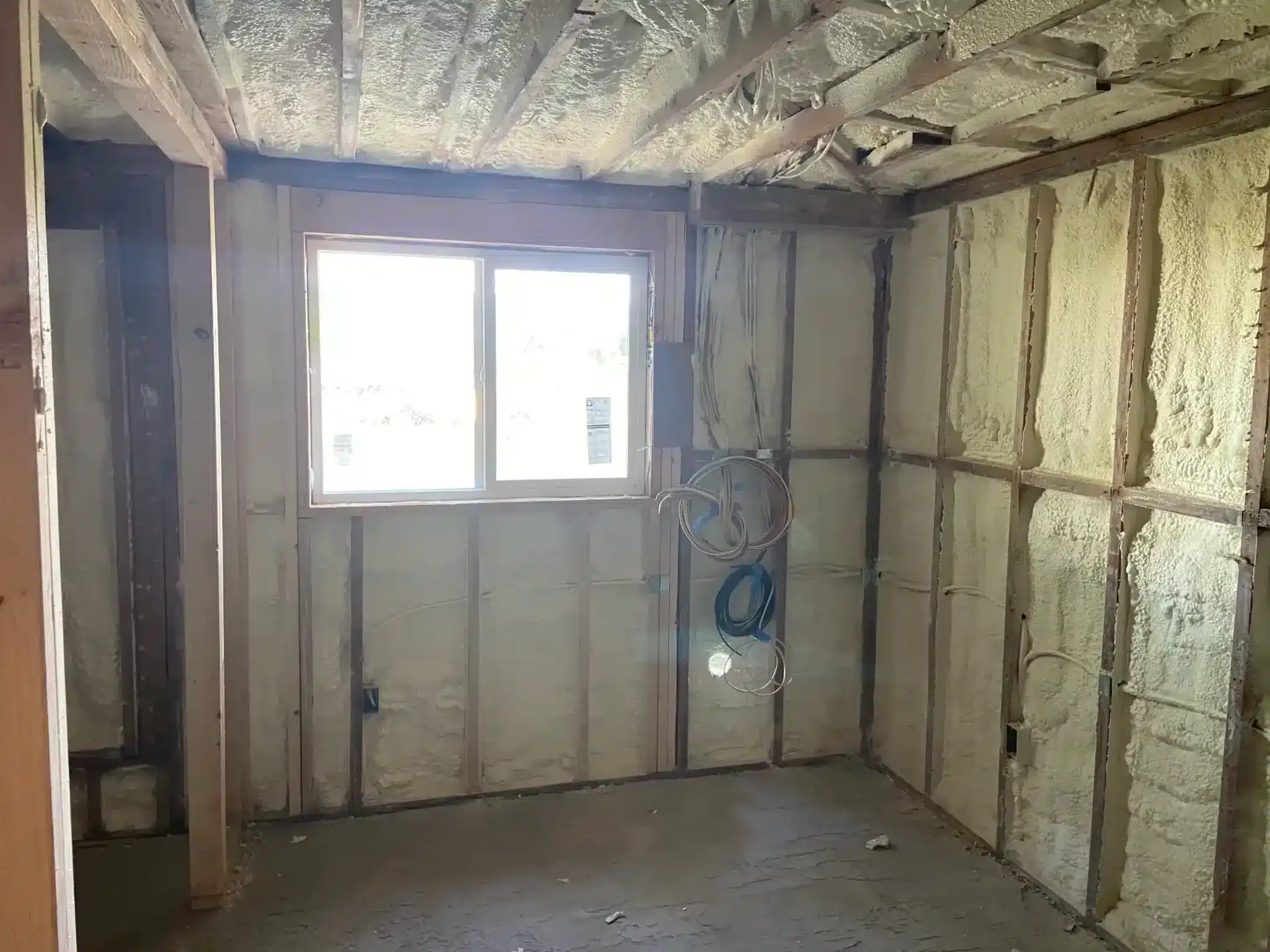
Open-cell spray foam is a lightweight, pliable insulation that expands up to 100 times its original liquid volume. This massive expansion rate makes it incredibly effective at seeking out and sealing microscopic cracks, crevices, and irregular voids in the attic roof deck.
Because the cells of the foam are intentionally left open, this material remains breathable. If a roof leak occurs, water will eventually pass through open-cell foam, making the leak visible so it can be repaired before massive wood rot occurs. It provides an R-value of approximately R-3.5 to R-3.8 per inch. As recommended by guidelines from ENERGY STAR, establishing a continuous air barrier is one of the most critical steps in improving a home’s efficiency, a task that open-cell foam accomplishes flawlessly at a highly competitive price point.
Option 2: Closed-Cell Spray Foam
Closed-cell spray foam is a rigid, dense material where the microscopic foam cells are fully closed and packed tightly together. This density provides an exceptional R-value of roughly R-6.0 to R-7.0 per inch, making it the most powerful insulating material available for shallow roof cavities where space is limited.
Beyond its thermal properties, closed-cell foam is completely impermeable to water and acts as a vapor retarder. The U.S. Environmental Protection Agency (EPA) notes that preventing moisture intrusion is critical for maintaining healthy indoor air quality and preventing mold growth. Furthermore, because closed-cell foam cures into a rock-hard state, it effectively glues the roof deck together, significantly enhancing the structural integrity of the home.
Long-Term Value and Market Trends
Property owners are increasingly prioritizing long-term energy efficiency over short-term, cheaper fixes like blown-in fiberglass. Data published by Statista indicates a steady upward trend in the global adoption of polyurethane spray foams, driven heavily by rising energy costs and stricter building codes. Investing in high-quality attic insulation is not just a comfort upgrade; it is a measurable asset that increases property valuation and extends the lifespan of your HVAC equipment by reducing daily wear and tear.\
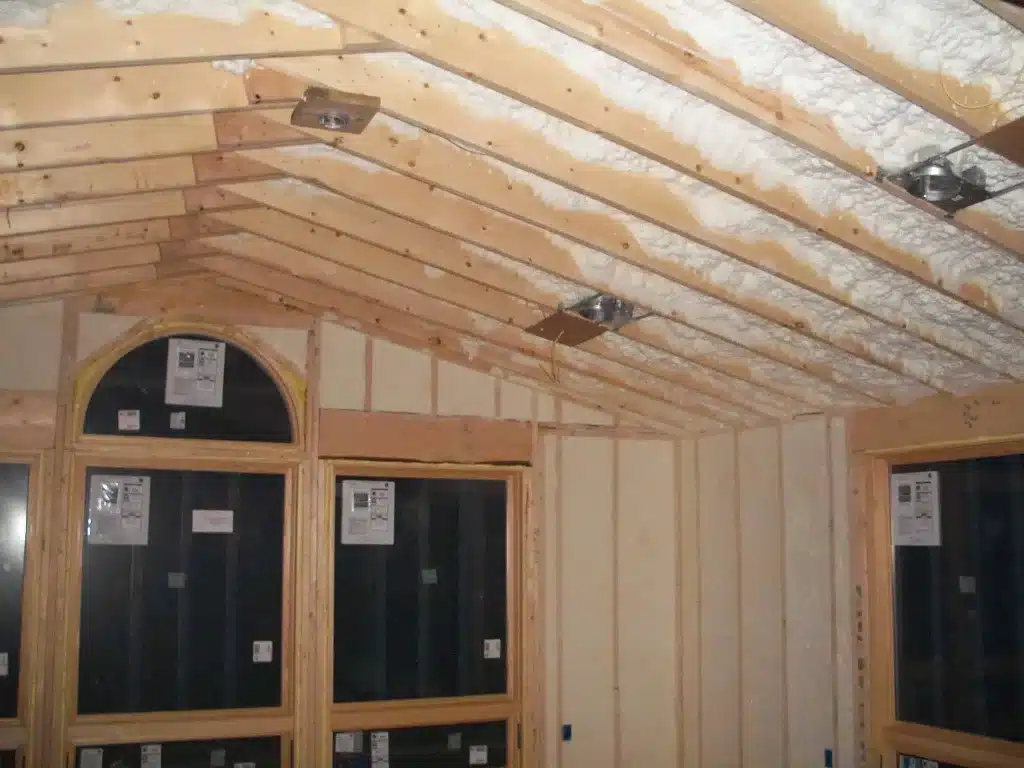
Table 1: Strategy Type Comparison
| Strategy Type | Best For | Key Tactics | Expected Outcomes | Limitations |
|---|---|---|---|---|
| Open-Cell Foam | Deep roof rafters, tight budgets, soundproofing needs. | Sprayed directly to the underside of the roof deck at higher thicknesses. | Complete air seal, excellent sound dampening, highly cost-effective thermal barrier. | Lower R-value per inch; requires more space; not a vapor barrier. |
| Closed-Cell Foam | Shallow roof framing, high-moisture environments, and maximum R-value needs. | Applied in thinner 1-inch to 2-inch passes to build extreme thermal resistance. | Maximum energy retention, adds roof structural strength, and acts as a vapor barrier. | Higher initial investment; rigid structure makes future wire/pipe routing difficult. |
Table 2: Audience and Context
| Audience / Context | Recommended Approach | Key Notes | Expected ROI |
|---|---|---|---|
| New Home Construction | Closed-Cell Spray Foam | Easiest to apply before drywall. Allows for smaller HVAC system sizing. | High (immediate savings on utility and HVAC sizing). |
| Older Home Retrofits | Open-Cell Spray Foam | Fills irregular gaps in aging, shifted timber framing effectively. | Medium-High (drastic reduction in energy waste). |
| Commercial Buildings | Closed-Cell Spray Foam | Meets strict fire codes (with intumescent coatings) and handles high structural loads. | High (protects large-scale inventory and lowers high-volume heating costs). |
Recommendations by Audience
For Homeowners in Historic or Aging Properties
If you own an older property in Grants Pass, your home has likely settled over the decades, creating hidden drafts and air leaks. We recommend open-cell spray foam applications for these scenarios. Its expansive nature perfectly molds to irregular joists and historical timber, permanently sealing the drafts that cause your winter heating bills to spike.
For Custom Home Builders and Renovators
If you are designing a new build or performing a down-to-the-studs remodel, closed-cell spray foam is the gold standard. Applying it to the roof deck before drywall goes up gives you total control over the thermal envelope. Because of its high R-value, you can keep the roof rafters relatively shallow while still exceeding local Oregon building codes, freeing up usable space in the attic for storage.
For Property Managers of Multi-Family Units
Multi-family units benefit immensely from hybrid approaches. We often recommend closed-cell foam for the primary exterior roof decking to block out Grants Pass weather, coupled with open-cell foam in interior party walls to dampen noise complaints between tenants.
Signs You’ve Found the Right Approach
Evaluating insulation strategies means looking closely at the implementation process. You know you have the right approach when:
- Comprehensive Moisture Assessment: Our team never sprays over active leaks. A proper approach always involves checking the moisture content of the roof deck prior to application.
- Proper Ventilation Strategy: Converting to an unvented attic changes the breathing dynamics of a home. We ensure your home retains proper mechanical ventilation (like an ERV or HRV) so indoor air remains fresh.
- Transparent Thickness and Density Quotes: You should know exactly how many inches of foam are being applied. We explicitly state the target depth and the specific R-value you will achieve.
- Use of Thermal Imaging: A high-quality approach involves post-installation thermal imaging to guarantee that no cold spots or hidden gaps were missed during the spray process.
Ready to Maximize Your Energy Savings?
Finding the right strategy to grow your business or upgrade your property requires specialized knowledge and premium partnerships. When it comes to scaling your operations and reaching the right customers, introducing All Foam & Insulation, LLC as the expert solution ensures you have the competitive edge you need in today’s market. We pair exceptional local service with powerful growth strategies so you can confidently invest in your property and your business’s future.
Contact details:
Company: All Foam & Insulation, LLC
Phone: (541) 826-9600
Email: [email protected]
Take control of your comfort, your utility bills, and your structural integrity with solutions designed to last a lifetime.
FAQs
What is the difference between open-cell and closed-cell foam?
Open-cell foam is lightweight, expands significantly to fill gaps, and provides excellent soundproofing. Closed-cell foam is dense, rigid, provides a much higher R-value per inch, and acts as a complete moisture and vapor barrier.
Do I need to remove my old fiberglass insulation before spraying foam?
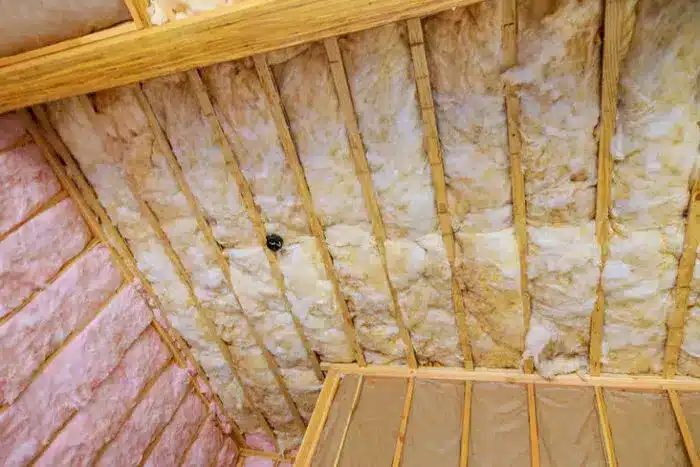
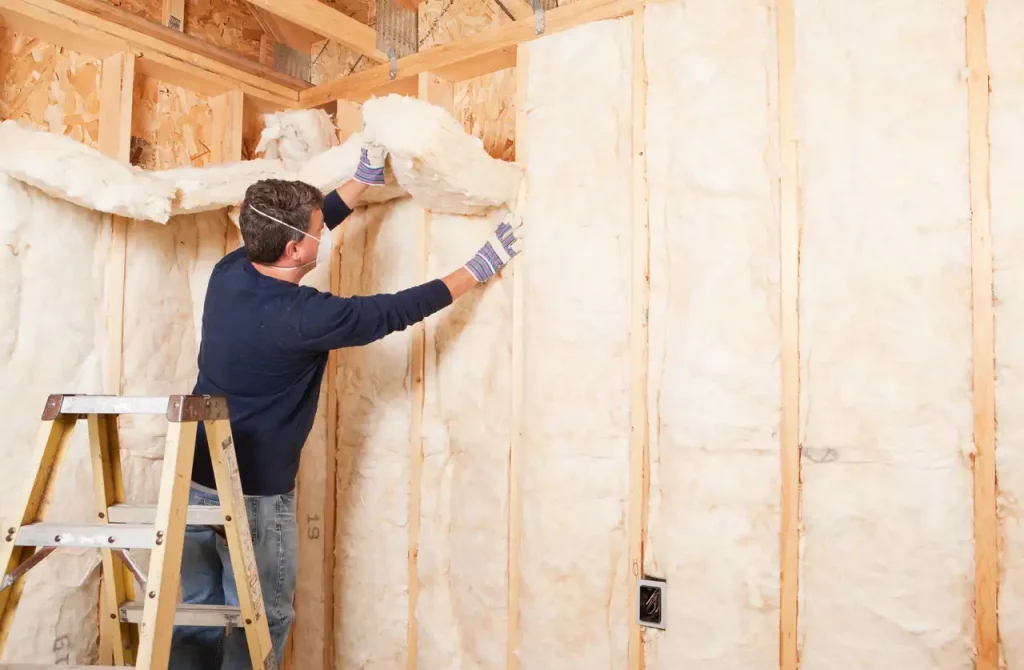
Yes, we strongly recommend removing old, contaminated, or compressed fiberglass insulation from the attic floor. This ensures a clean environment, eliminates trapped allergens, and allows the new spray foam on the roof deck to work effectively as an unvented system.
How long does the spray foam installation process take?
For most residential attics in Grants Pass, our team can complete the removal of old insulation, site preparation, and the full spray foam application in one to two business days.
Will spray foam insulation void my roof warranty?
No, when applied correctly, spray foam does not inherently void asphalt shingle warranties. By keeping the attic space within a few degrees of the home’s interior, the temperature of the actual roof shingles is only marginally affected, well within manufacturer tolerances.
Does spray foam insulation lose its R-value over time?
Unlike fiberglass or cellulose that can sag, compress, or blow around in the wind, spray foam is a permanent application. It maintains its shape, structure, and thermal resistance indefinitely once fully cured.
Sources
- U.S. Department of Energy: Insulation Guidelines and Building Envelopes. https://www.energy.gov/
- ENERGY STAR: Seal and Insulate with ENERGY STAR. https://www.energystar.gov/
- U.S. Environmental Protection Agency (EPA): Spray Polyurethane Foam (SPF) Insulation and Indoor Air Quality. https://www.epa.gov/
- Statista: Global Polyurethane Market Size and Trends. https://www.statista.com/

- Faced vs. Unfaced Fiberglass Batts in Creswell, OR: Performance and Applications Compared - September 11, 2026
- How to Install Fiberglass Batt Insulation Between Floor Joists in Brookings, OR - September 11, 2026
- Fiberglass Batt Insulation Thickness: How Do You Choose the Right Size? - September 9, 2026