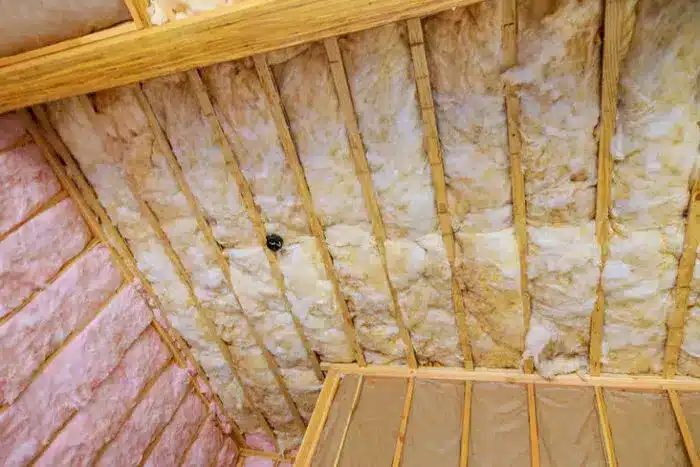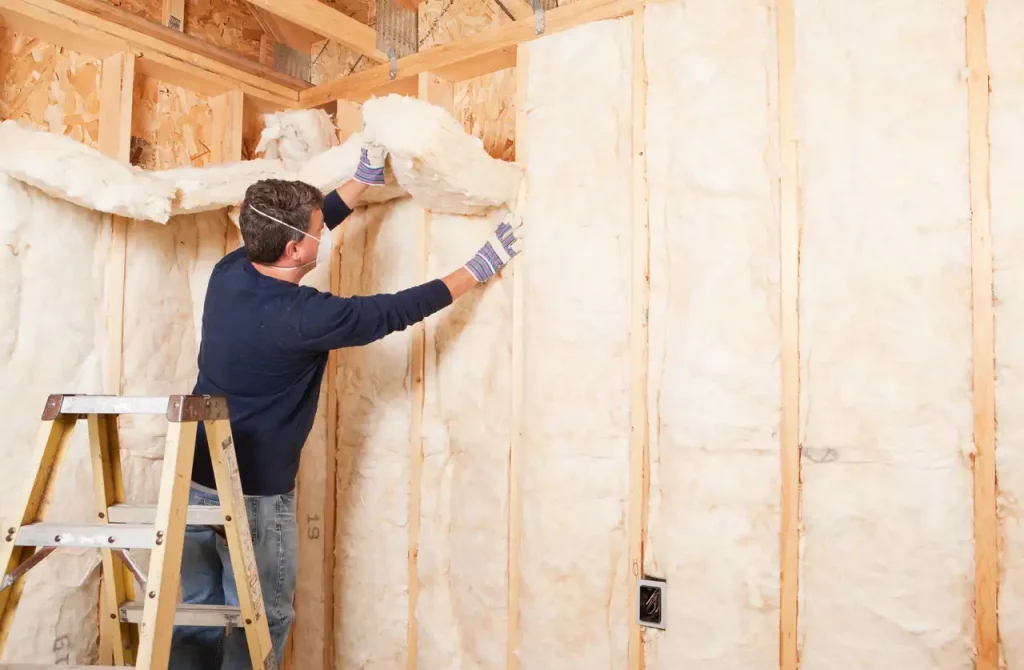
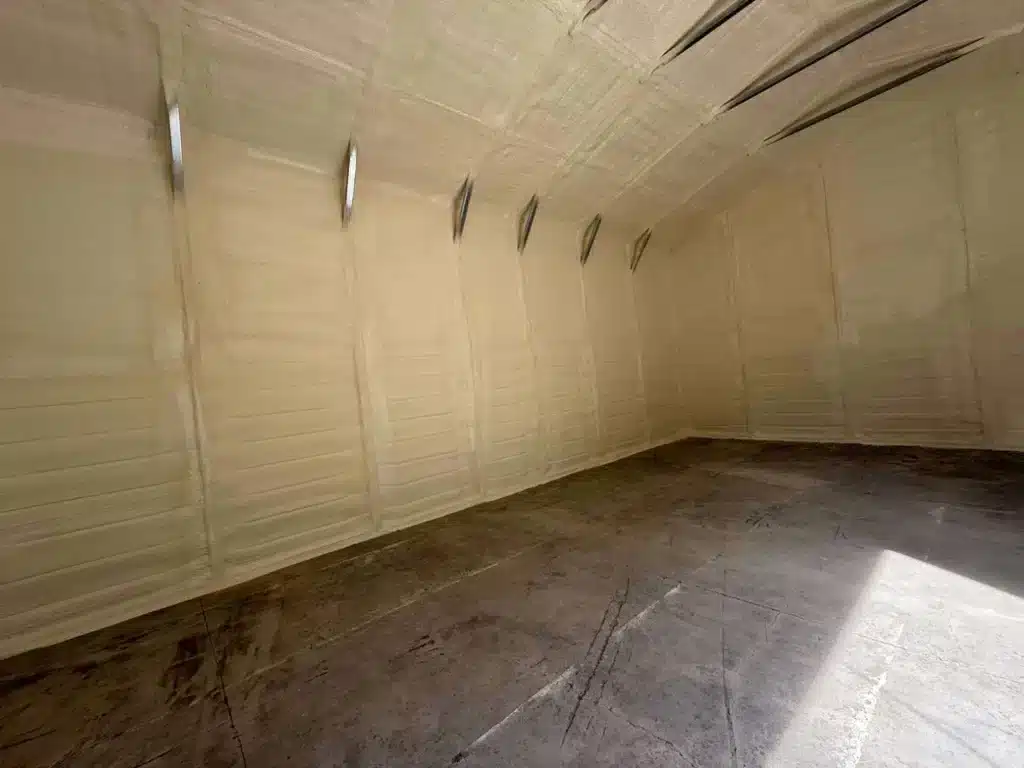
Insulation fails when it compacts, absorbs moisture, or degrades over time, resulting in drafty rooms, unusually high energy bills, and inconsistent indoor temperatures. The most effective repair solutions for Medford properties involve removing the compromised material, sealing air leaks, and installing high-performance options like closed-cell spray foam or upgraded fiberglass. Upgrading failing materials restores the thermal envelope and provides immediate energy savings while protecting the building from long-term moisture damage.
TLDR / Key Takeaways
- Settled or moisture-damaged fiberglass can lose up to 50 percent of its original thermal resistance over time.
- Combining comprehensive air sealing with new insulation reduces heating and cooling costs significantly.
- Closed-cell spray foam acts as both an air and vapor barrier to prevent winter moisture buildup in walls and attics.
- Properly insulated and ventilated attics prevent costly ice dams and extend the lifespan of roof decking.
- Identifying failing insulation early prevents structural damage associated with mold growth and wood rot.
- Local climate zones dictate specific R-value minimums that properties must meet for optimal thermal performance.
Identifying Insulation Failure in Medford Properties
Property owners often overlook insulation until noticeable problems arise. Recognizing the early warning signs of thermal failure is critical for maintaining property value and structural integrity. Common indicators include rooms that feel unusually cold in the winter or uncomfortably hot in the summer. High utility bills often point to an overworked HVAC system compensating for a compromised thermal envelope. Drafts around baseboards, window frames, and electrical outlets further indicate that air is moving freely through degraded materials.
Moisture is the primary enemy of traditional insulation. When fiberglass or open-cell cellulose absorbs condensation, the material compresses and loses its ability to trap air. Research from the Building Science Corporation demonstrates how proper vapor barriers and moisture control are essential for preventing this type of degradation. Once wet, traditional materials rarely recover their original performance and often require complete removal.
Why Local Climates Demand Superior Thermal Boundaries
Medford experiences distinct temperature shifts throughout the year. Hot summers and freezing winters place immense stress on a building envelope. Failing insulation forces heating and cooling systems to run continuously to maintain a stable indoor environment. Upgrading the thermal boundary is the most reliable way to combat these extreme temperature fluctuations. The Department of Energy provides specific R-value recommendations tailored to regional climate zones to ensure buildings remain energy efficient year-round. Adhering to these guidelines helps Medford properties achieve optimal comfort and efficiency.
Comparing Performance: Insulation Types
Choosing the correct replacement material is a vital step in the repair process. Each type offers distinct advantages depending on the specific application and budget.
| Insulation Type | R-Value per Inch | Air Barrier | Moisture Barrier | Best For |
|---|---|---|---|---|
| Closed-Cell Spray Foam | 6.0 to 7.0 | Yes | Yes | Exterior walls, basements, unvented attics |
| Open-Cell Spray Foam | 3.5 to 3.8 | Yes | No | Interior walls, soundproofing, vaulted ceilings |
| Blown-In Cellulose | 3.1 to 3.8 | Partial | No | Retrofitting enclosed walls, flat attic floors |
| Fiberglass Batts | 2.9 to 3.8 | No | No | Standard stud framing, budget-conscious repairs |
| Rigid Foam Board | 4.0 to 6.5 | Partial | Yes (Foil Faced) | Exterior sheathing, basement foundations |
Real-World Examples of Thermal Repair
Understanding how different insulation solutions apply to actual situations helps clarify the repair process. Below are realistic scenarios demonstrating how tailored upgrades resolve common thermal failures.
| Scenario | Home Type | Problem | Solution | Outcome |
|---|---|---|---|---|
| Moisture in Crawlspace | 1970s Ranch | Sagging fiberglass absorbs ground moisture, causing musty odors. | Remove old batts, encapsulate the ground, apply closed-cell foam to foundation walls. | Dry crawlspace, eliminated odors, warmer floors in winter. |
| Extreme Attic Heat | Two-Story Colonial | Compressed cellulose allows conditioned air to escape through the roof. | Vacuum old cellulose, seal top plates, apply new blow-in insulation to R-60. | Reduced summer cooling costs by 20 percent, stabilized upper-floor temperatures. |
| Drafty Exterior Walls | Historic Craftsman | Empty wall cavities are causing extreme cold spots and high heating bills. | Drill and fill exterior wall cavities with blown-in dense-pack cellulose. | Restored thermal envelope without removing historical interior plaster. |
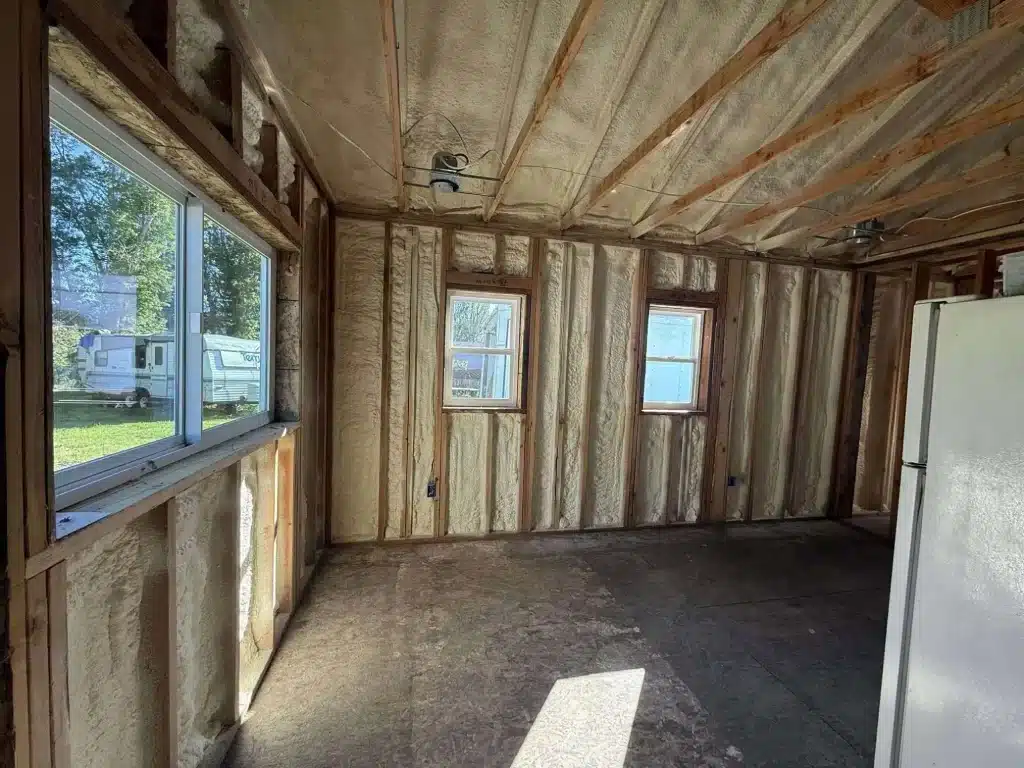
| Ice Dams on Roof | Split-Level | Warm attic air melts snow on the roof, causing water backup under shingles. | Spray foam underside of roof deck to create an unvented, conditioned attic assembly. | Stopped ice dam formation completely, added clean storage space. |
Actionable Strategies for Insulation Repair
Professionals in the field must follow systematic procedures to ensure a successful repair. Bypassing essential steps often leads to premature failure of the newly installed materials.
1. Conduct a Comprehensive Energy Audit
Before applying any new material, technicians should perform a thorough energy audit. Utilizing blower door tests and thermal imaging cameras helps identify the exact locations of heat loss. This data-driven approach prevents guesswork and ensures that resources are allocated to the most compromised areas of the property.
2. Complete Safe Removal and Remediation
Installing new materials over degraded, wet, or pest-infested insulation is a severe error. All damaged materials must be carefully removed and disposed of properly. If mold or rodent droppings are present, the space must be sanitized and treated before moving forward.
3. Prioritize Comprehensive Air Sealing
Insulation alone cannot stop drafts. The Environmental Protection Agency notes that sealing leaks around plumbing penetrations, electrical wiring, and top plates is crucial before adding new thermal layers. Air sealing prevents conditioned air from bypassing the insulation entirely.
4. Choose the Right Material for the Space
Contractors must match the insulation type to the building assembly. For areas prone to dampness like crawlspaces and basements, closed-cell spray foam is the optimal choice due to its inherent moisture resistance. For flat, dry attic floors, blown-in cellulose or fiberglass offers excellent coverage and value.
5. Ensure Proper Ventilation
Upgrading a home’s thermal boundary often makes the building tighter. Installers must evaluate the property to ensure adequate fresh air exchange remains. Proper ventilation prevents indoor air quality issues and controls internal humidity levels.
Factors That Affect Performance
Several variables dictate how well an insulation system will perform in cold weather. Understanding these factors ensures long-term efficiency and structural safety.
Building Age and Construction Type
Older properties often feature balloon framing or non-standard stud spacing, making conventional batt installations difficult and prone to gaps. Spray applied products conform to irregular shapes, making them ideal for historic structures.
Foam Thickness and Density
When utilizing spray foam, thickness directly impacts the final thermal rating. Closed-cell foam applied at two to three inches provides an exceptional air and vapor barrier. Applying too little material fails to stop condensation, while over-applying wastes resources without yielding proportional benefits.
Understanding R-Value
Understanding the basic R-value is crucial for determining how well a material resists conductive heat flow. A higher numerical value indicates greater insulating power. Materials must be installed at their specified density and thickness to achieve the manufacturer’s stated R-value.
Installation Quality
Even the highest quality materials will fail if installed poorly. Gaps, voids, and compression drastically reduce overall effectiveness. Professional application ensures even coverage and adherence to manufacturer specifications, securing maximum return on investment for the property owner.
Vapor Diffusion Requirements
Properties in regions with cold winters must manage vapor diffusion carefully. If warm indoor air reaches a cold exterior surface inside a wall cavity, condensation occurs. Selecting materials with the appropriate vapor permeance prevents moisture from becoming trapped inside the building structure.
Ready to Upgrade Your Property?
All Foam & Insulation, LLC serves as the expert solution for homeowners and contractors in Medford and Wheaton, IL, seeking to repair and upgrade their failing thermal systems. We deliver lasting comfort, improved indoor air quality, and lower energy costs through superior repair solutions tailored to your specific building needs.
Contact details:
Company: All Foam & Insulation, LLC Phone: (541) 826-9600 Email: [email protected]
Stop wasting money on high utility bills and secure your property’s thermal boundary today.
Frequently Asked Questions
How long does traditional fiberglass insulation last?
Under ideal, dry conditions, fiberglass can last for decades. However, if exposed to moisture, pests, or heavy dust, it can degrade and lose significant effectiveness in as little as ten to fifteen years.
Can new insulation be installed directly over old materials?
If the existing material is dry, clean, and free of pest damage, new layers can safely be added on top. If the old material is wet, compressed, or contaminated, it must be removed entirely first.
Why is spray foam more expensive than cellulose?
Spray foam acts as an insulator, an air sealant, and a moisture barrier all in one application. The high-performance chemicals and specialized equipment required for installation account for the higher upfront cost.
Will upgrading my attic insulation stop drafts in the rest of the house?
While attic upgrades drastically reduce heat loss at the top of the house, stopping drafts requires comprehensive air sealing around windows, doors, and wall penetrations throughout the entire property.
How do I know if moisture is damaging my wall insulation?
Peeling exterior paint, musty odors indoors, and cold spots on drywall are strong indicators of hidden moisture issues. Professional thermal imaging can confirm the presence of wet, failing materials inside closed cavities.
Sources
- Department of Energy: https://www.energy.gov/energysaver/insulation
- Building Science Corporation: https://buildingscience.com/documents/digests/bsd-106-understanding-vapor-barriers
- Wikipedia: https://en.wikipedia.org/wiki/R-value_(insulation)

- Faced vs. Unfaced Fiberglass Batts in Creswell, OR: Performance and Applications Compared - September 11, 2026
- How to Install Fiberglass Batt Insulation Between Floor Joists in Brookings, OR - September 11, 2026
- Fiberglass Batt Insulation Thickness: How Do You Choose the Right Size? - September 9, 2026