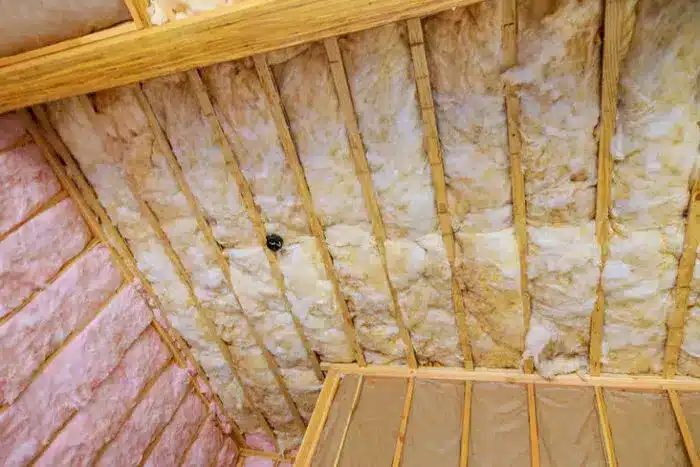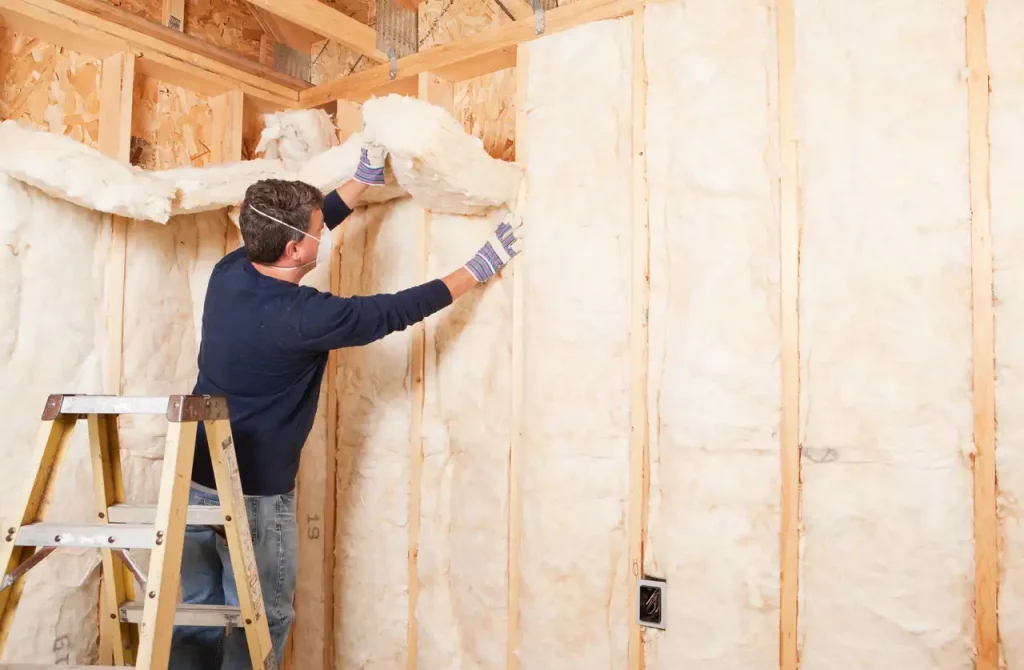
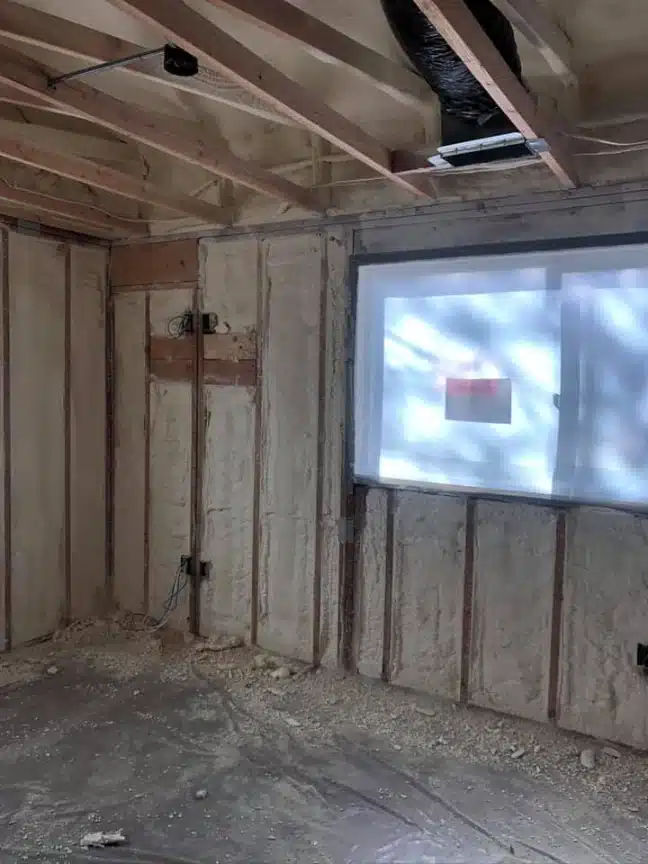
For most homes and buildings in Bend, Oregon, spray foam insulation is the better long-term investment due to its superior air sealing, higher R-value per inch, and resistance to moisture penetration in Central Oregon’s cold, dry winters. Blown-in insulation remains the more practical choice for budget-conscious projects, retrofits in existing wall cavities, and attic spaces where cost per square foot needs to stay low. The right choice depends on your project scope, budget, and whether the building is new construction or an existing structure.
Bend sits in IECC Climate Zone 5, which means winter temperatures regularly drop below freezing, and heating costs make up a significant portion of annual energy bills. Insulation performance in this zone matters more than in milder climates, and the material you choose directly impacts thermal comfort and monthly utility expenses.
Spray foam delivers R-values between 3.7 and 6.7 per inch, depending on whether you choose open-cell or closed-cell formulations. Blown-in insulation ranges from 2.3 to 4.3 R-value per inch. In Climate Zone 5, where Energy Star recommends R-49 to R-60 for uninsulated attics, achieving those levels with blown-in requires significantly more depth than spray foam needs.
TLDR / Key Takeaways
- Spray foam costs $1.50 to $7.00 per square foot installed, while blown-in runs $0.75 to $2.00 per square foot
- Closed-cell spray foam delivers up to R-6.7 per inch; blown-in cellulose reaches approximately R-3.7 per inch
- Bend is in IECC Climate Zone 5, requiring R-38 to R-60 for attics and R-20 to R-25 for walls
- Spray foam provides built-in air sealing and moisture resistance, critical in high-altitude Central Oregon winters
- Blown-in insulation works well for attic top-ups, existing wall retrofits, and projects with tighter budgets
- Energy Trust of Oregon offers incentives and guidance for both insulation types in residential upgrades
- New construction projects in Bend benefit most from spray foam; remodels and retrofits often favor blown-in
- Spray foam can reduce heating energy use by 30-50% in Climate Zone 5 homes when properly installed
How Each Insulation Type Performs in Bend’s Climate
Bend’s winters feature average lows in the 20s with extended freezing periods, and summers bring warm days with cool nights. This temperature swing places real demands on any insulation system. The building envelope needs to retain heat efficiently during the winter months while preventing excessive heat gain in the summer.
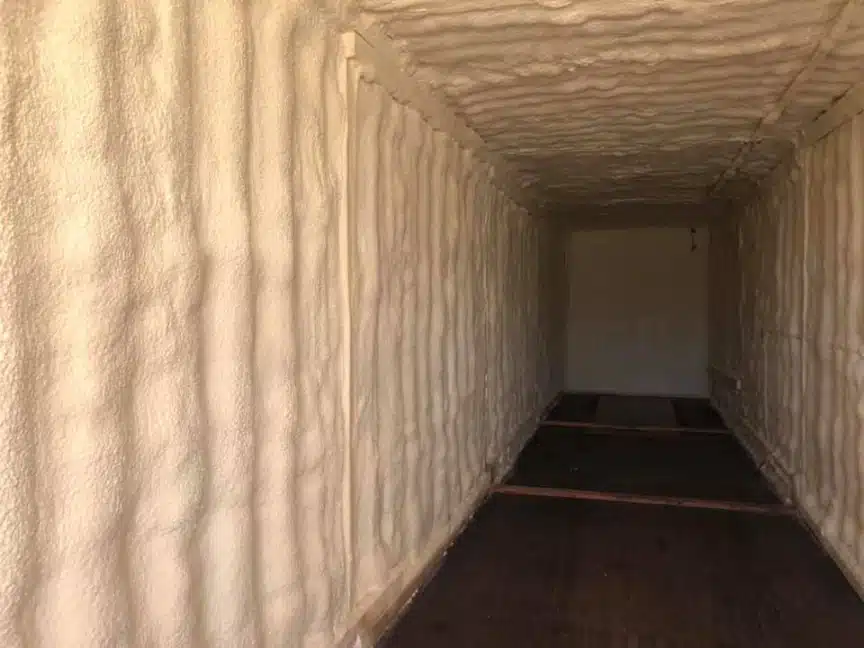
Spray foam expands on application, filling gaps, cracks, and hard-to-reach voids that blown-in materials simply cannot reach. This expansion creates an airtight seal that eliminates the drafts common in older Bend homes, many of which were built before modern energy codes took effect. According to the Energy Trust of Oregon, proper insulation and air sealing are among the most cost-effective energy efficiency upgrades available to Oregon homeowners.
Blown-in insulation, typically made from cellulose or fiberglass, is pneumatically installed into wall cavities and attic floors. It settles over time, which can reduce its effective R-value if not installed at the proper density. In Bend’s climate, this settling matters because any reduction in thermal resistance translates directly to higher heating costs during the long winter season.
Closed-Cell vs. Open-Cell Spray Foam
Not all spray foam performs the same way. Understanding the distinction matters for Central Oregon projects.
Closed-cell spray foam offers the highest performance with R-values up to 6.5-7.0 per inch. It also acts as a vapor barrier, which prevents moisture from penetrating wall assemblies. This matters in Bend, where indoor humidity from heating systems can condense within wall cavities during cold snaps.
Open-cell spray foam delivers R-3.7 per inch at a lower cost than closed-cell. It allows moisture vapor to pass through, which can be advantageous in certain assemblies but less desirable in Bend’s colder conditions.
Cost Comparison: Spray Foam vs. Blown-In in Bend
Material cost is where most contractors and property owners start the conversation. The table below reflects typical installed pricing for the Bend, Oregon market.
| Factor | Spray Foam (Closed-Cell) | Spray Foam (Open-Cell) | Blown-In Cellulose | Blown-In Fiberglass |
|---|---|---|---|---|
| Cost per sq ft | $3.00 – $7.00 | $1.50 – $3.00 | $0.80 – $1.50 | $0.75 – $2.00 |
| R-Value per inch | 6.0 – 7.0 | 3.7 | 3.2 – 3.7 | 2.3 – 3.1 |
| Air sealing | Yes (excellent) | Yes (good) | Minimal | Minimal |
| Moisture barrier | Yes | No | No | No |
| Lifespan | 80+ years | 50+ years | 20-30 years | 20-30 years |
| Best application | Walls, crawl spaces, rim joists | Open wall cavities, attics | Attic floors, existing walls | Attic floors, walls |
Bar Chart Suggestion: Side-by-side bar chart comparing R-value per inch for all four insulation types, with a secondary data series showing cost per square foot. This visually demonstrates the performance-to-cost ratio for Bend contractors evaluating options.
For a typical 1,500-square-foot Bend home, blown-in attic insulation might cost $1,200 to $3,000, while a full spray foam insulation in Bend, OR package across walls, attic, and crawl space could range from $8,000 to $20,000+. The upfront gap is significant, but spray foam’s air sealing alone can account for 25-40% of a home’s total energy loss when absent.
Where Each Option Works Best in Bend Homes
When Spray Foam Is the Right Choice
- New construction builds where wall cavities are open and accessible
- Crawl spaces and rim joists where moisture and air infiltration are primary concerns
- Homes with chronic draft issues that blown-in cannot resolve
- Properties aiming for high-performance certifications or net-zero energy targets
- Remodels where walls are already opened for other work
When Blown-In Is the Better Option
- Attic floor top-ups in existing homes where drywall stays intact
- Budget-constrained projects that still need meaningful thermal improvement
- Older homes with 2×4 wall cavities, where every inch of R-value counts, but spray foam thickness is limited
- Projects where rapid installation turnaround is required
Line Graph Suggestion: Cumulative cost over 20 years comparing a spray foam installation versus blown-in, factoring in estimated annual energy savings in a Climate Zone 5 home. The point where the two lines intersect represents the break-even period.
Real-World Scenarios for Bend Properties
| Scenario | Property Type | Recommended Option | Estimated Cost |
|---|---|---|---|
| New build on Bend’s westside, 2,000 sq ft, full envelope | New Construction | Closed-cell spray foam walls + open-cell attic | $12,000 – $18,000 |
| 1970s ranch home, drafty rooms, attic has R-11 fiberglass | Existing Home Retrofit | Blown-in cellulose attic overlay + spray foam rim joists | $3,500 – $6,000 |
| Mountain cabin near Sunriver, extreme cold exposure | Vacation/Second Home | Closed-cell spray foam full envelope | $15,000 – $22,000 |
| Remodel opening walls for electrical and plumbing updates | Partial Remodel | Open-cell spray foam in open walls + blown-in attic | $5,000 – $9,000 |
| Commercial warehouse, metal building, conditioned office space | Commercial Retrofit | Closed-cell spray foam on walls and roof deck | $20,000 – $40,000+ |
Key Factors That Influence the Decision
Several variables determine which insulation type delivers the best return on investment for a specific Bend project.
- Climate zone demands: Bend’s Zone 5 classification requires high R-values. Spray foam achieves target R-values in less cavity depth, which matters in 2×4 wall construction common in older homes
- Budget and timeline: Blown-in installs faster and costs less upfront. Spray foam requires specialized equipment and trained crews, which affects scheduling
- Existing conditions: Homes with active moisture issues benefit from closed-cell spray foam’s vapor barrier properties. Dry, well-ventilated attics may only need additional blown-in depth
- Building envelope tightness: If a home already has good air sealing from other upgrades, blown-in insulation alone may deliver sufficient improvement. Homes with significant air infiltration need spray foam’s sealing capability
- Energy Trust of Oregon incentives: The Energy Trust of Oregon offers cash incentives for qualifying insulation upgrades, which can offset the cost differential between materials
- Long-term ownership plans: Spray foam’s durability and energy savings compound over decades. Short-term owners may not recoup the investment before selling
Who Spray Foam Is Best For (And Who Should Avoid It)
Ideal candidates for spray foam:
- New construction projects with open framing
- Homeowners planning to stay in their property 10+ years
- Buildings with moisture control concerns in crawl spaces or basements
- High-performance builds targeting tight envelopes and low energy use
- Properties with irregular framing or numerous penetration points
Not the right fit for:
- Short-term flippers or investors with tight budgets
- Attics with existing adequate insulation that need a simple top-up
- DIY homeowners without professional installation resources
- Projects where walls remain closed and only attic access is available
Who Blown-In Is Best For (And Who Should Avoid It)
Ideal candidates for blown-in:
- Budget-conscious homeowners wanting meaningful efficiency gains
- Attic floors in existing homes where wall access is limited
- Properties with adequate air sealing already in place
- Large attic spaces needing R-value depth without structural complexity
Not the right fit for:
- Crawl spaces or basements with moisture issues
- Walls with significant air infiltration that also need sealing
- Homes where cavity depth is limited, and the maximum R-value per inch is essential
- Buildings in extreme exposure areas require vapor barrier protection
Get a Professional Insulation Assessment for Your Bend Property
Choosing between spray foam and blown-in insulation is not a one-size-fits-all decision, especially in Central Oregon’s demanding climate zone. At All Foam & Insulation, LLC, we evaluate every building individually and recommend the material and application method that delivers the best performance for your specific project and budget. With deep experience serving Bend and surrounding Central Oregon communities, we handle both residential and commercial insulation installations from start to finish.
Call us at (541) 826-9600 or email [email protected] to get started. The right insulation choice pays for itself, and we will make sure you get it right the first time.
FAQs
What R-value does Bend, Oregon require for attic insulation?
Bend falls within IECC Climate Zone 5, where Energy Star recommends R-49 to R-60 for uninsulated attics and R-38 for existing insulation with at least 3-4 inches already in place. For wall cavities, the target is typically R-20 to R-25, depending on whether insulative sheathing is also present.
Can I install blown-in insulation over existing insulation in my attic?
Yes, blown-in cellulose or fiberglass can be installed directly over existing batt or roll insulation as long as the existing material is dry, undamaged, and does not contain a vapor barrier facing downward toward the living space. A professional assessment should confirm the condition and depth before adding new material.
Is spray foam insulation safe for homes with children and pets?
Once fully cured, typically within 24 to 72 hours after installation, spray foam is inert and non-toxic. During installation, occupants and pets should vacate the home due to off-gassing of volatile organic compounds. Proper ventilation during and after installation is critical.
How long does blown-in insulation last compared to spray foam?
Blown-in cellulose and fiberglass typically last 20 to 30 years before settling or degrading, reducing effectiveness. Spray foam, both open-cell and closed-cell, can last 50 to 80+ years without significant degradation, making it the more durable long-term option for Bend’s climate demands.
Does the Energy Trust of Oregon offer rebates for insulation upgrades?
Yes, the Energy Trust of Oregon provides cash incentives for qualifying insulation and air sealing improvements in existing homes. Both spray foam and blown-in installations may qualify depending on the scope of work, existing insulation levels, and whether the project meets program requirements.
Sources
- Energy Star – Recommended Home Insulation R-Values – Official R-value recommendations by climate zone, including Zone 5 requirements applicable to Bend, Oregon.
- Angi – Blown-In vs. Spray Foam Insulation – Comprehensive comparison of insulation types including R-value ranges, costs, and installation considerations.

- Faced vs. Unfaced Fiberglass Batts in Creswell, OR: Performance and Applications Compared - September 11, 2026
- How to Install Fiberglass Batt Insulation Between Floor Joists in Brookings, OR - September 11, 2026
- Fiberglass Batt Insulation Thickness: How Do You Choose the Right Size? - September 9, 2026