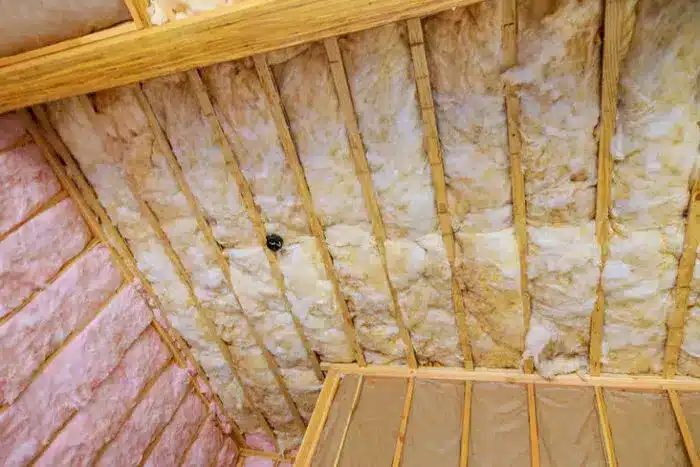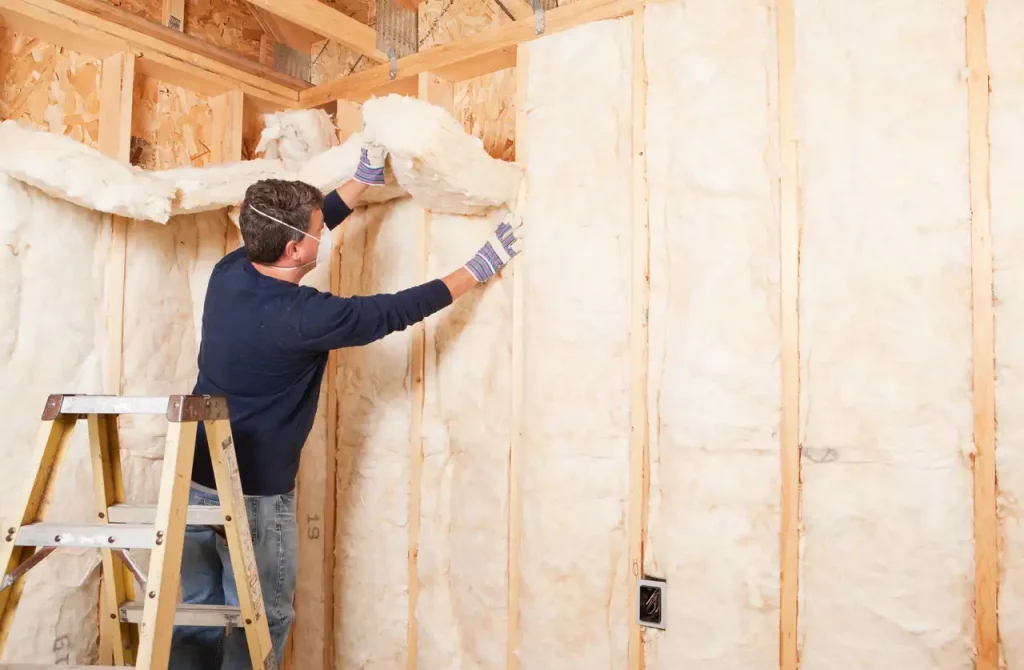

Spray foam insulation is one of the most effective ways to improve indoor comfort, lower energy costs, and protect your home from moisture damage. Unlike traditional fiberglass batts or loose-fill insulation, spray foam expands on contact to fill gaps, cracks, and hard-to-reach cavities, creating a continuous air seal that standard materials simply cannot match. The right approach depends on your climate zone, the areas of your home that need attention, and whether you need the higher R-value of closed-cell foam or the sound-dampening and cost advantages of open-cell foam. Here is a practical guide to getting the most out of spray foam insulation for lasting indoor comfort. You can learn more about overall performance and advantages in this guide on spray foam insulation benefits and how it contributes to a more efficient building envelope.
TLDR / Key Takeaways
- Spray foam provides both insulation and air sealing in a single application, eliminating drafts and reducing energy waste from air leaks.
- Closed-cell spray foam delivers R-6.5 per inch, while open-cell spray foam offers R-3.7 per inch, making each suitable for different applications and budgets.
- The EPA estimates homeowners can save an average of 15% on heating and cooling costs by air sealing and adding insulation to attics, crawl spaces, and basements.
- Spray foam acts as a moisture barrier, reducing the conditions that lead to mold growth, a leading concern for indoor air quality.
- Federal tax credits cover 30% of insulation material costs up to $1,200 per year under the Energy Efficient Home Improvement Credit through 2025.
- Prioritize areas with the biggest comfort impact: attics, rim joists, crawl spaces, and wall cavities adjacent to unconditioned spaces.
- Professional installation is essential for proper coverage, safety, and achieving the full performance benefits of spray foam.
How Spray Foam Improves Indoor Comfort
Comfort comes down to three things: consistent temperature, controlled humidity, and clean air. Spray foam insulation addresses all three simultaneously. When applied, it expands to fill every crack and crevice in your building envelope, forming an airtight barrier that prevents conditioned air from escaping and unconditioned air from entering. The U.S. Department of Energy notes that insulation provides resistance to heat flow and lowers heating and cooling costs, and that proper insulation combined with air sealing is a key factor in home energy efficiency, health, and comfort.
According to ENERGY STAR, if you added up all the leaks, holes, and gaps in a typical home’s envelope, it would equal having a window open every day of the year. That is a significant amount of lost comfort and wasted energy. Spray foam closes those gaps and adds thermal resistance at the same time.
Beyond temperature control, spray foam also reduces noise transmission from outside and between rooms, blocks pollen, dust, and pests from entering through gaps, and helps manage indoor humidity levels by preventing moisture-laden air from infiltrating your walls and attic.
Open-Cell vs. Closed-Cell: Choosing the Right Foam
Not all spray foam is the same. The two main types serve different purposes, and choosing between them depends on where you are insulating, your budget, and your climate.
| Feature | Open-Cell Spray Foam | Closed-Cell Spray Foam |
|---|---|---|
| R-Value per Inch | R-3.5 to R-3.7 | R-6.0 to R-6.5 |
| Density | Low (0.5 lb/ft³) | High (1.5-2.0 lb/ft³) |
| Moisture Barrier | Vapor permeable | Acts as a vapor barrier |
| Air Barrier | Yes | Yes |
| Sound Dampening | Excellent | Moderate |
| Structural Strength | None | Adds rigidity to walls |
| Best Applications | Wall cavities, attics, sound control | Basements, crawl spaces, exteriors, and metal buildings |
| Relative Cost | Lower per board foot | Higher per board foot |
Fine Homebuilding reports that open-cell spray foam has an R-value of about R-3.7 per inch, while closed-cell spray foam reaches as high as R-6.5 per inch. The higher R-value of closed-cell foam makes it the stronger choice when space is limited, and you need maximum thermal resistance in a thin layer, such as basement rim joists or metal building walls.
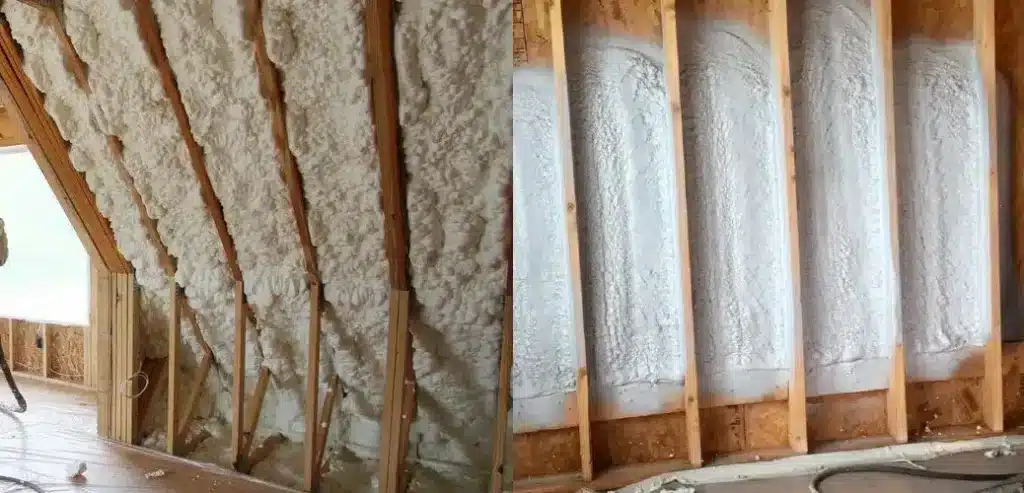
Open-cell foam expands significantly more than closed-cell, making it ideal for filling large wall cavities and attics where depth is not a constraint. Its vapor-permeable nature allows moisture to pass through, which can be beneficial in certain wall assemblies where trapped moisture could cause problems.
Priority Areas to Insulate for Maximum Comfort
Not every area of your home delivers the same comfort return on investment. Our professionals recommend focusing on these zones first:
Attics and Roof Assemblies
Heat rises, making your attic the single largest source of energy loss in most homes. In winter, warm indoor air escapes through ceiling penetrations and insufficient insulation. In summer, radiant heat builds up in the attic and transfers down into living spaces. Spray foam applied to the attic floor or roofline eliminates these transfer points and creates a uniform thermal barrier.
Rim Joists and Basements
The rim joist area, where your home’s framing meets the foundation, is notoriously difficult to insulate with standard materials. Gaps around pipes, wires, and framing members allow significant air infiltration. Closed-cell spray foam fills these voids completely and adds a moisture barrier against damp basement air.
Crawl Spaces
Unsealed crawl spaces introduce humidity, cold air, and pests into your home. Spray foam applied to crawl space walls and the floor joist above creates a conditioned space that prevents moisture issues and keeps floors above at a consistent temperature.
Exterior Walls
Upgrading exterior wall insulation with spray foam during a renovation or new construction dramatically improves comfort by eliminating drafts and cold spots near windows and exterior corners.
Moisture Control and Mold Prevention
Indoor comfort is not just about temperature. Excess moisture leads to mold growth, musty odors, and potential health concerns. The U.S. EPA states that the key to mold control is moisture control, and that none of the many types of mold will grow without water or moisture. Mold can cause allergic reactions, asthma attacks, and irritation of the eyes, skin, nose, throat, and lungs.
Closed-cell spray foam acts as a moisture vapor retarder, preventing humid air from infiltrating wall cavities and condensing on cooler surfaces. Open-cell foam, while vapor-permeable, still seals air leaks that allow bulk moisture intrusion. By controlling the moisture that enters your building envelope, spray foam reduces the conditions that support mold growth.
For homes in humid climates, crawl space encapsulation with closed-cell foam is one of the most effective ways to keep relative humidity in check. The EPA recommends keeping indoor humidity below 60%, ideally between 30 and 50%, and spray foam plays a direct role in maintaining that range by sealing out external moisture sources.
Financial Incentives and Tax Credits
Improving insulation quality does not have to come entirely out of pocket. The federal government offers tax incentives that make spray foam insulation more affordable. Under the ENERGY STAR Insulation Tax Credit, homeowners can claim 30% of insulation material costs, up to a maximum credit of $1,200 per year. This credit applies to products purchased and installed between January 1, 2023, and December 31, 2025.
Eligible products include bulk insulation materials such as expanding spray foam, as well as air sealing materials like spray foam in a can, caulk, and weather stripping, provided they come with a Manufacturer’s Certification Statement. The overall annual limit for the Energy Efficient Home Improvement Credit is $3,200, which means you can combine insulation credits with other eligible upgrades like heat pumps or water heaters in a strategic multi-year plan.
Additionally, many utility companies and state programs offer rebates for insulation upgrades. Checking with your local utility provider before starting a project can reveal additional savings opportunities.
Recommendations by Home Type
| Home Type | Recommended Approach | Key Notes |
|---|---|---|
| Older Homes (Pre-1980) | Closed-cell in rim joists and crawl spaces, open-cell in attic | Older homes have more air leakage and less existing insulation; sealing the envelope first matters most |
| New Construction | Full wall cavity spray foam plus attic insulation | Building from scratch allows strategic placement for maximum R-value and air barrier continuity |
| Basement/Lower Level Living | Closed-cell on rim joists and foundation walls | Moisture resistance is essential below grade to prevent condensation and mold |
| Metal Buildings/Barndominiums | Closed-cell spray foam on walls and roof | Metal transfers heat rapidly; closed-cell foam provides both insulation and condensation control |
Signs You Have Found the Right Insulation Contractor
Choosing the right installer matters as much as choosing the right product. Here are the qualities we believe distinguish a reliable spray foam contractor:
- Thorough assessment before quoting: A strong contractor inspects your attic, crawl space, basement, and living areas before recommending a specific approach, rather than giving a one-size-fits-all price.
- Clear explanation of open-cell vs. closed-cell recommendations: They explain which foam type suits each area of your home and why, based on climate, building construction, and your budget.
- Transparent pricing with no hidden fees: The quote breaks down material costs, labor, and any prep work required, so there are no surprises on the final bill.
- Willingness to discuss ventilation needs: Because spray foam tightens the building envelope, proper ventilation becomes more important. A knowledgeable contractor addresses this rather than ignoring it.
- References and proof of insurance: They can provide recent project references and carry appropriate liability and workers’ compensation coverage.
Get Started With a Professional Insulation Assessment
All Foam & Insulation brings decades of hands-on experience helping homeowners improve indoor comfort through expert spray foam insulation installation. Our team evaluates your home’s unique needs and recommends the right products and approach for lasting results. Whether you need to upgrade your attic, seal a drafty crawl space, or insulate a new build, we are ready to help.
Call us at (541) 826-9600 or email [email protected] to discuss your project. We look forward to helping you create a more comfortable, efficient home.
Frequently Asked Questions
How long does spray foam insulation last?
Spray foam insulation is a permanent installation that does not settle, sag, or degrade over time. It maintains its R-value and air sealing properties for the life of the building when properly installed.
Is spray foam insulation safe for my family?
Once cured, spray foam is inert and non-toxic. During installation, occupants and pets should vacate the home, and professional installers use appropriate ventilation and protective equipment to ensure safe application.
Can spray foam be installed in an existing home?
Spray foam can be installed in existing homes during renovation projects, in attics, crawl spaces, and rim joist areas without significant disruption. Wall cavity installation typically requires removing some exterior or interior siding.
Will spray foam insulation reduce my energy bills?
Most homeowners see meaningful reductions in heating and cooling costs. ENERGY STAR estimates average savings of 15% on heating and cooling costs through air sealing and adding insulation, though actual results vary by home.
Does spray foam insulation help with noise reduction?
Open-cell spray foam in particular provides excellent sound dampening. Its low-density structure absorbs sound waves, making it effective for reducing noise transmission between rooms and from outside.
Sources
- U.S. Department of Energy – Insulation – Comprehensive guide on how insulation works, R-value ratings, climate zone requirements, and the relationship between insulation, air sealing, and moisture control.
- ENERGY STAR – Why Seal and Insulate – EPA estimates on energy savings from air sealing and insulation, with data on typical home air leakage and comfort benefits.
- U.S. EPA – A Brief Guide to Mold, Moisture and Your Home – Official EPA guidance on mold prevention, moisture control, and the health effects of mold exposure in residential settings.