The most effective insulation strategy for 2026 starts with understanding your home’s specific weak points, choosing materials matched to your climate zone and budget, and combining proper air sealing with the right R-values. There is no single universal answer because a home in a cold northern climate needs a fundamentally different approach than one in a warm southern region. What matters most is pairing the correct insulation material with proper installation, targeted at the areas where your home loses the most energy, like the attic, walls, basement, and crawl spaces. According to ENERGY STAR, sealing air leaks and adding insulation can save homeowners up to 10% on total annual energy costs while improving year-round comfort.
TLDR / Key Takeaways
- Properly air sealing your home before adding insulation prevents conditioned air from escaping and dramatically improves the effectiveness of any insulation you install.
- Attic insulation delivers the single highest return on investment for most homeowners, since heat rises and an under-insulated attic is the number one source of energy loss.
- The Department of Energy recommends R-values ranging from R-30 to R-60 for attics, depending on your climate zone, so matching insulation depth to your region is essential.
- Closed-cell spray foam (R-6.0 to R-7.0 per inch) provides the highest per-inch thermal performance and doubles as an air and moisture barrier, making it ideal for walls, basements, and crawl spaces.
- Low-VOC and formaldehyde-free insulation products are becoming the standard in 2026, addressing growing homeowner demand for healthier indoor air quality.
- Adding insulation to attics, floors over crawl spaces, basements, and exterior walls can lower total energy costs by an average of 11%, according to Consumer Reports.
- Professional installation typically outperforms DIY for cavity fills like blown-in cellulose or spray foam, where gaps and voids directly reduce thermal performance.
Why Insulation Matters More Than Ever in 2026
Energy costs continue to climb, and building codes are tightening across the country. At the same time, insulation technology has improved, giving homeowners access to materials that perform better, last longer, and contribute to healthier indoor environments. The U.S. Department of Energy has updated its recommendations, and ENERGY STAR’s R-value guidelines now reflect more aggressive targets for both new construction and retrofit projects.
The combination of rising utility rates and better-available materials means the payback period for insulation upgrades has shortened considerably in recent years. Homeowners who act on targeted insulation improvements in 2026 are not just reducing monthly bills. They are also increasing property value, improving comfort consistency from room to room, and reducing the load on their HVAC systems, which extends equipment life.
The Golden Rule: Air Seal First, Then Insulate
This is the single most important principle in residential energy efficiency, and it is still the most commonly skipped step. Insulation works by slowing heat transfer, but it does not stop air movement. If you have gaps around recessed lights, plumbing penetrations, chimney chases, or attic hatches, conditioned air will flow right through or around your insulation, regardless of how thick it is.
Air sealing means using caulk, spray foam, or weatherstripping to close those gaps before adding any bulk insulation. The order matters because once you blow in or lay down thick insulation, accessing those air leak points becomes far more difficult and expensive. In practice, we see homeowners who skip this step leave 15 to 30% of their potential savings on the table.
Common air sealing targets:
- Attic hatch or pull-down stairs
- Recessed light housings (use IC-rated covers)
- Plumbing and electrical penetrations in top plates
- Ductwork connections and boot seals
- Rim joists in basements and crawl spaces
- Windows and exterior door frames
Understanding R-Values and Climate Zones
R-value measures how well insulation resists heat flow. Higher R-values mean better thermal resistance. However, the right R-value depends entirely on where you live and which part of the house you are insulating. The DOE divides the United States into climate zones ranging from 1 (hot-humid, like southern Florida) to 7 (subarctic, like northern Alaska), with recommended R-values scaling accordingly.
| Home Area | Climate Zones 1-3 (Warm) | Climate Zones 4-5 (Mixed) | Climate Zones 6-7 (Cold) |
|---|---|---|---|
| Attic (unconditioned) | R-30 to R-38 | R-38 to R-49 | R-49 to R-60 |
| Wall Cavities | R-13 to R-15 | R-13 to R-20 | R-20 to R-23 |
| Basement Walls | R-5 to R-10 | R-10 to R-15 | R-15 to R-19 |
| Crawl Space Walls | R-5 to R-10 | R-10 to R-15 | R-15 to R-19 |
| Floor Over Unheated Space | R-19 | R-25 | R-25 to R-30 |
Visual Suggestion: A color-coded U.S. map graphic showing the seven climate zones with corresponding recommended attic R-values overlaid as large callout numbers would help homeowners quickly identify their target range.
Comparing Insulation Materials for 2026
Each insulation type has strengths and trade-offs. The right material depends on the application area, your budget, and whether the project is new construction or a retrofit.
| Material | R-Value Per Inch | Best Application | Pros | Cons |
|---|---|---|---|---|
| Closed-Cell Spray Foam | R-6.0 to R-7.0 | Walls, crawl spaces, rim joists | Highest R/inch, air barrier, moisture barrier | Higher cost, requires professional installation |
| Open-Cell Spray Foam | R-3.5 to R-3.7 | Wall cavities, attics (vented) | Lower cost than closed-cell, expands to fill gaps | Not a moisture barrier, lower R/inch |
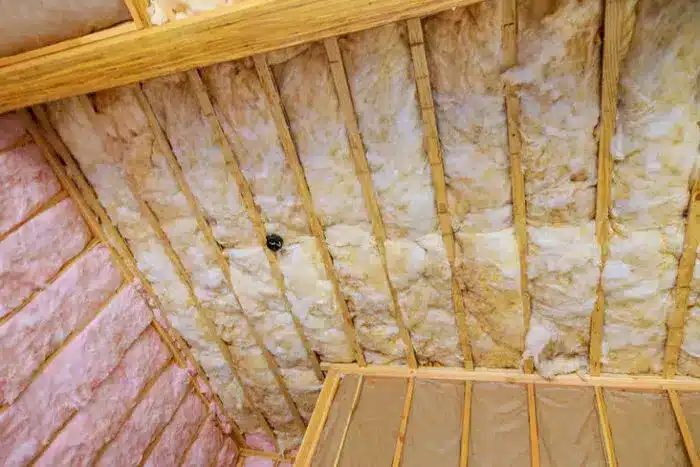
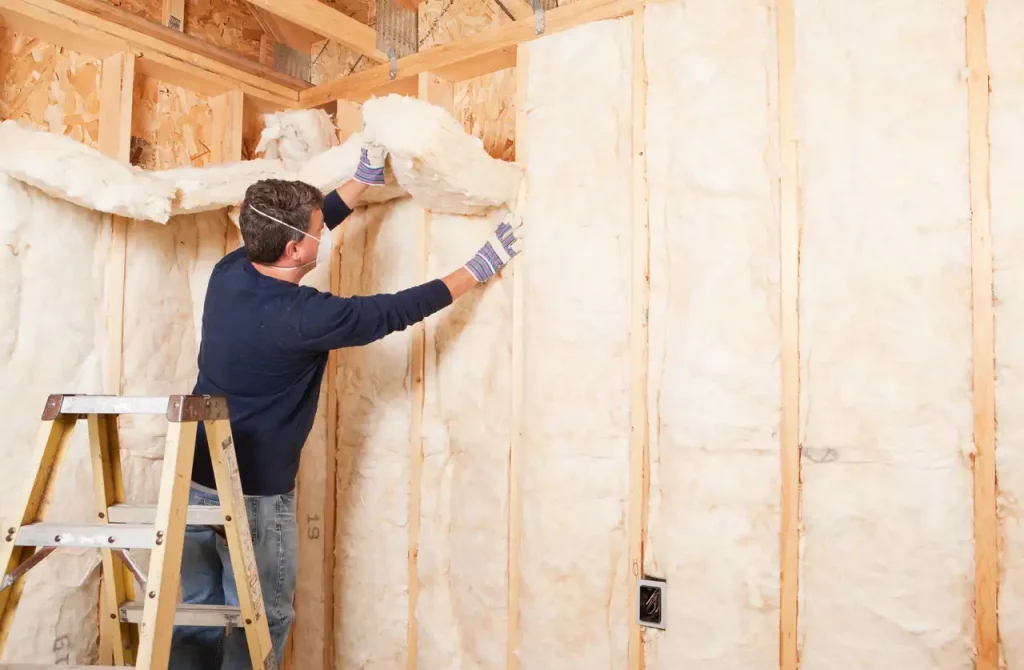
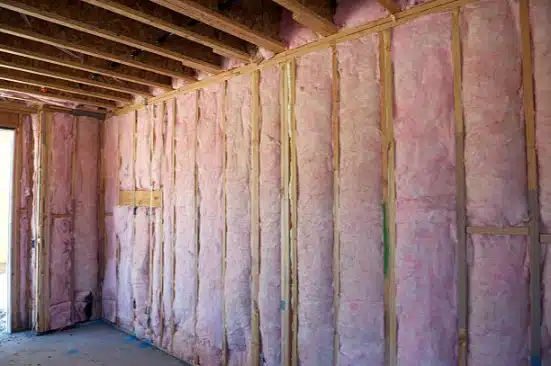
| Fiberglass Batts | R-2.9 to R-3.8 | Attics, walls, floors | Affordable, widely available, DIY-friendly | Can leave gaps if poorly installed, irritant during handling |
| Blown-In Cellulose | R-3.1 to R-3.8 | Attics, existing wall cavities | Good for retrofits, made from recycled material | Can settle over time, may need top-off |
| Rigid Foam Board | R-3.8 to R-6.5 | Basement walls, exterior sheathing, rim joists | High R/inch, moisture resistant | More expensive, cutting and fitting required |
| Mineral Wool | R-3.3 to R-4.2 | Walls, attics, fire-rated assemblies | Fire-resistant, sound-dampening, moisture-tolerant | Heavier, more expensive than fiberglass |
Visual Suggestion: A horizontal bar chart comparing R-value per inch across all six insulation types, with cost-per-square-foot overlaid as a secondary metric, would give homeowners a quick visual on the performance-to-cost trade-off.
Top Priority Areas to Insulate in Your Home
Not all areas of your home offer the same return. Targeting the right zones with the right materials makes a significant difference in both comfort and cost savings.
1. The Attic
Heat rises, making the attic the first place conditioned air escapes in winter and the first place solar heat penetrates in summer. Most older homes have attic insulation far below current DOE recommendations. Blown-in fiberglass or cellulose is the most common retrofit approach because it can be layered over existing insulation to reach target R-values without removing the old material.
2. Exterior Walls
Wall insulation is harder to upgrade in existing homes because it requires either opening wall cavities or using blown-in methods through drilled holes. For homes undergoing renovation, this is the ideal time to upgrade from R-13 to R-15 or R-20, depending on stud depth. Spray foam and mineral wool are excellent choices for wall cavities in both new construction and remodels.
3. Basement and Crawl Space
Below-grade areas are often the most overlooked insulation targets. Rim joists, where the foundation meets the wood framing, are notorious for air leaks and energy loss. Rigid foam board and closed-cell spray foam both perform well in these areas because they resist moisture absorption. Insulating crawl space walls rather than the floor above is now the DOE-preferred approach for conditioned crawl spaces.
4. Ductwork
If your ducts run through unconditioned spaces like attics, basements, or crawl spaces, insulating them directly prevents significant energy waste. Duct insulation is relatively inexpensive and can be completed as part of a broader insulation project.
Common Insulation Mistakes to Avoid
Even well-intentioned homeowners can undermine their insulation investment with a few missteps.
- Compressing insulation: Fiberglass and cellulose rely on trapped air pockets for their R-value. Compressing batts to fit around pipes or wiring reduces their effective R-value significantly.
- Blocking ventilation: In vented attics, insulation should not block soffit vents. Proper airflow prevents moisture buildup and ice dams in cold climates.
- Ignoring moisture: Installing vapor barriers incorrectly or using the wrong insulation type in damp areas can lead to mold, wood rot, and structural damage.
- Over-insulating without air sealing: More insulation on top of unsealed air leaks yields diminishing returns. Seal first, then insulate to the recommended R-value.
- Choosing based on price alone: The cheapest insulation per bag is not always the most cost-effective solution when you factor in labor, longevity, and real-world thermal performance.
2026 Insulation Trends Worth Watching
Several shifts are reshaping residential insulation choices this year:
- Low-VOC and formaldehyde-free products: Builders and homeowners increasingly prioritize indoor air quality. Manufacturers have responded with fiberglass, mineral wool, and spray foam formulations that release fewer volatile organic compounds during and after installation.
- High-performance continuous insulation: Exterior continuous insulation, where rigid foam or mineral wool boards are installed outside the wall sheathing, is gaining traction because it eliminates thermal bridging through studs and framing.
- Blown-in blanket systems (BIBS): For wall retrofits where removing drywall is not feasible, BIBS offers a dense-pack alternative that fills voids more completely than traditional blown-in methods.
- Smart home integration: Some insulation contractor is now combining insulation upgrades with blower door testing and thermal imaging to provide before-and-after performance data, giving homeowners measurable proof of improvement.
Recommendations by Homeowner Situation
| Homeowner Situation | Recommended Approach | Key Notes |
|---|---|---|
| Older home, original insulation | Blown-in attic top-off + air sealing | Fastest payback, least disruptive, targets the biggest loss area |
| New construction or major remodel | Closed-cell spray foam in walls + rigid foam exterior | Maximizes performance, addresses thermal bridging, best long-term efficiency |
| Crawl space moisture issues | Encapsulation + closed-cell foam on walls | Solves moisture and insulation simultaneously, prevents mold and wood rot |
| Budget-conscious retrofit | Fiberglass batts or blown-in cellulose in attic | Lowest material cost, good performance when properly installed and air sealed |
| Sound reduction priority | Mineral wool in interior and exterior walls | Excellent acoustic dampening in addition to thermal performance |
| All-electric or heat pump home | Above-code insulation throughout | Reduces HVAC load, which is especially important for heat pump efficiency in cold months |
Signs You Have Found the Right Insulation Contractor
A quality spray foam insulation installation is just as important as the material you choose. Here is what separates a strong contractor from an average one:
- They perform a pre-installation assessment: Blower door tests, thermal imaging, and attic inspections show they are identifying actual problems rather than guessing.
- They explain the “why” behind material choices: A good contractor will walk you through why a specific material makes sense for your climate zone, home construction type, and budget instead of pushing the most expensive option.
- They air seal before insulating: If a contractor shows up ready to add insulation without discussing air sealing first, that is a red flag.
- They provide clear, itemized estimates: Transparency in material costs, labor, and scope of work protects you from surprises.
- They stand behind their work: Warranties on both materials and installation, along with a willingness to conduct post-installation testing, demonstrate confidence in their workmanship.
Ready to Upgrade Your Home’s Insulation?
At All Foam & Insulation, LLC, we help homeowners identify exactly where their home is losing energy and recommend the right materials and methods to fix it. Our team provides professional air sealing, spray foam, blown-in, and batt insulation services tailored to your home’s specific needs and your local climate zone.
Whether you need an attic top-off, a full basement encapsulation, or a whole-home energy assessment, we are here to deliver measurable results. Call us at (541) 826-9600 or email [email protected] to get started with a quote.
FAQs
What is the single most cost-effective insulation upgrade for an existing home?
Adding blown-in insulation to an under-insulated attic typically delivers the fastest payback of any single insulation upgrade, often within three to five years through reduced heating and cooling costs. Combined with air sealing, this approach addresses the largest source of energy loss in most homes.
How do I know if my current insulation is adequate?
The best way to assess your existing insulation is to measure its depth in the attic and compare it against the DOE’s recommended R-values for your climate zone. A professional energy audit with blower door testing and thermal imaging can also reveal whether your insulation is performing as expected or if air leaks are undermining it.
Is spray foam insulation worth the higher cost?
Closed-cell spray foam delivers the highest R-value per inch of any common insulation material and also functions as an air barrier and moisture barrier. For applications like rim joists, crawl spaces, and basement walls where moisture resistance is critical, spray foam often justifies its premium over the life of the home through both energy savings and avoided moisture damage.
Can I install insulation myself, or should I hire a professional?
Simple attic top-offs with blown-in insulation or fiberglass rolls can be manageable DIY projects for handy homeowners. However, spray foam installation, dense-pack wall fills, and any project involving air sealing in hard-to-reach areas should be handled by a licensed insulation contractor to ensure proper coverage, code compliance, and safety.
How long does residential insulation last?
Most insulation materials last 50 to 80 years or more when installed correctly and protected from moisture. Fiberglass and mineral wool do not degrade over time, though blown-in cellulose can settle slightly and may eventually need a top-off. Spray foam is highly durable and maintains its R-value for the life of the building when applied properly.
Sources
- ENERGY STAR – Seal and Insulate – Overview of sealing and insulating recommendations for homeowners, including estimated energy savings of up to 10% on total energy costs.
- Department of Energy – Insulation – Comprehensive guide to insulation types, R-values, and installation methods from the U.S. DOE.

- Faced vs. Unfaced Fiberglass Batts in Creswell, OR: Performance and Applications Compared - September 11, 2026
- How to Install Fiberglass Batt Insulation Between Floor Joists in Brookings, OR - September 11, 2026
- Fiberglass Batt Insulation Thickness: How Do You Choose the Right Size? - September 9, 2026