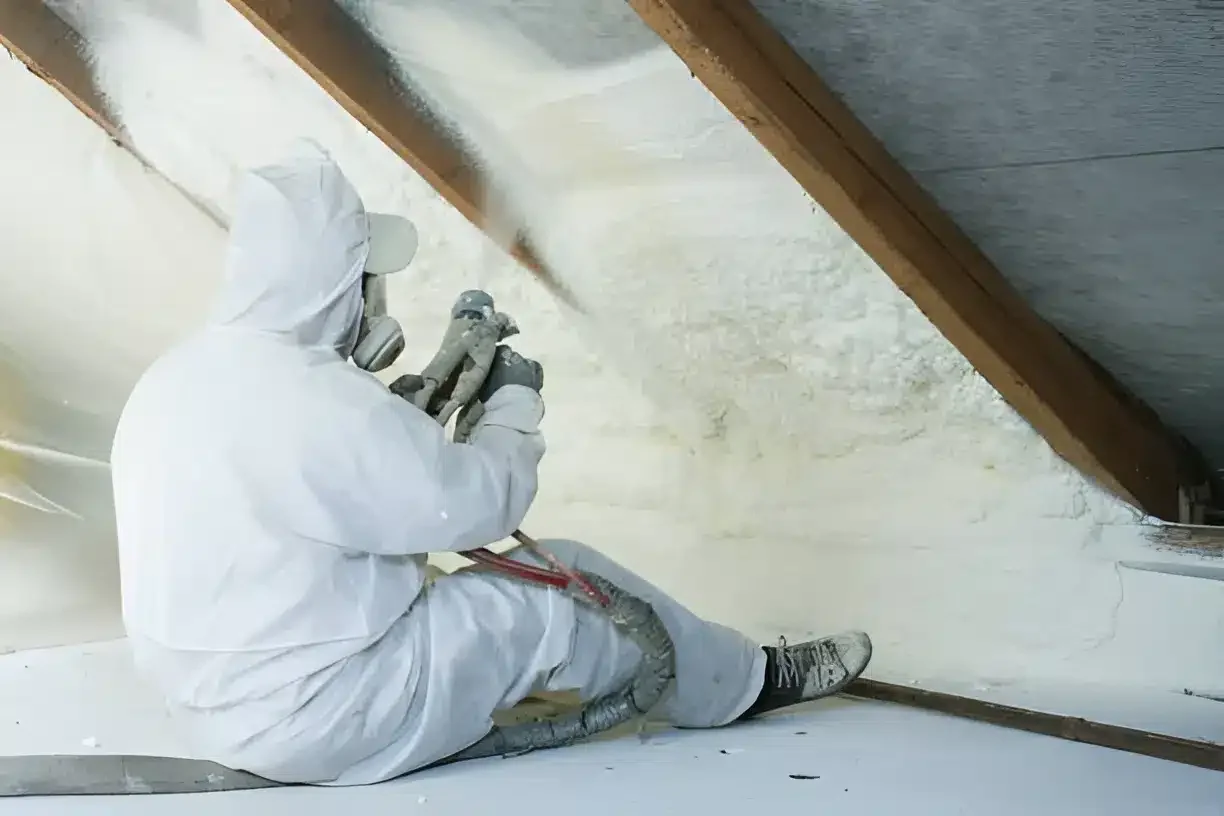
Properly installed insulation acts as a thermal barrier that keeps your home comfortable year-round while significantly reducing your monthly utility bills. In the Grants Pass climate, an effective insulation system stops heated air from escaping during our damp, chilly winters and blocks external heat from infiltrating your living space during our hot, dry summers.
Understanding the Rogue Valley Climate Impact
Grants Pass experiences distinct seasonal shifts that put heavy demands on your home’s thermal envelope. During the summer, daytime temperatures frequently climb, pushing heat through your roof and walls into your living areas. Conversely, our winters are often wet and cool, which creates different challenges for moisture management.
Many homeowners treat insulation solutions as a uniform fix, but your home’s performance depends on how it handles these specific local conditions. If your insulation is thin, settled, or improperly installed, your HVAC system must work harder to maintain a consistent temperature. This leads to higher energy consumption and premature wear on your equipment. Managing the temperature swings in the Rogue Valley requires a thermal barrier that performs reliably across these seasonal extremes.
Why Insulation Alone Isn’t Enough: The Seal & Insulate Method
Insulation is only half of the solution. If your home has air leaks or gaps around windows, doors, or utility penetrations, your insulation cannot perform its job effectively. Think of insulation like a wool sweater: it keeps you warm, but if you leave the zipper open on a windy day, the cold air still gets through.
To achieve real efficiency, you must combine insulation with air sealing. This approach creates a continuous barrier that stops both heat transfer and air movement.
- Identify Leaks: Small gaps in attics, crawlspaces, and around rim joists are common culprits for energy loss.
- Seal Gaps: Use professional-grade sealants to close these openings before adding insulation.
- Install Insulation: Once the air barrier is tight, install insulation to resist heat flow.
According to the U.S. Department of Energy, sealing air leaks and adding insulation can reduce heating and cooling costs by up to 15%. This process prevents conditioned air from escaping and stops unwanted moisture from entering your home’s structure.
How Do You Know If Your Home Needs Better Insulation?
You don’t always need a professional inspection to tell that your home is losing energy. Several clear physical signs often indicate that your current insulation is failing or insufficient.
- Drafty Rooms: If you notice cold spots or breezes in specific rooms, your envelope is likely leaking.
- Uneven Temperatures: Significant temperature differences between rooms suggest that insulation is either missing or has settled over time.
- High Utility Bills: If your heating or cooling costs are higher than comparable homes in Grants Pass, your HVAC system is likely struggling to compensate for energy loss.
- Moisture and Mold: Visible moisture or mold growth in attics or crawlspaces can indicate that warm, moist air is reaching cold surfaces, which often happens when air sealing is absent.
If your home was built decades ago, it is worth checking the depth of your attic insulation. Energy Star provides guidance on recommended R-values based on your local climate zone, which helps you determine if your current levels meet modern efficiency standards.
Comparing Insulation Options for Local Homes
Different materials offer varying levels of thermal resistance and air sealing capabilities. Choosing the right one depends on your home’s construction and your specific goals.
| Material | Air Sealing | Moisture Resistance | Best Use Case |
|---|---|---|---|
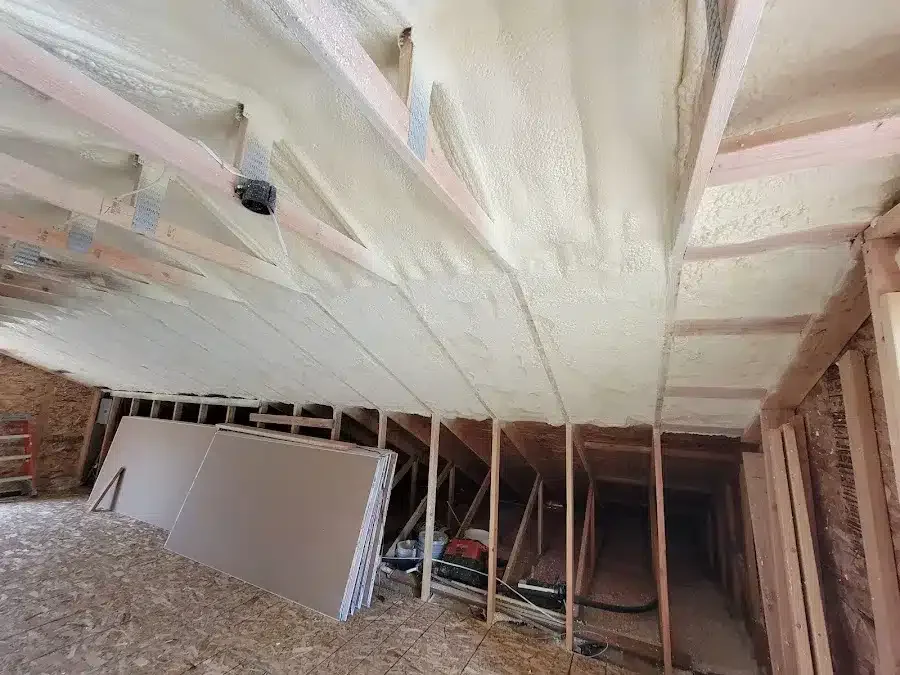
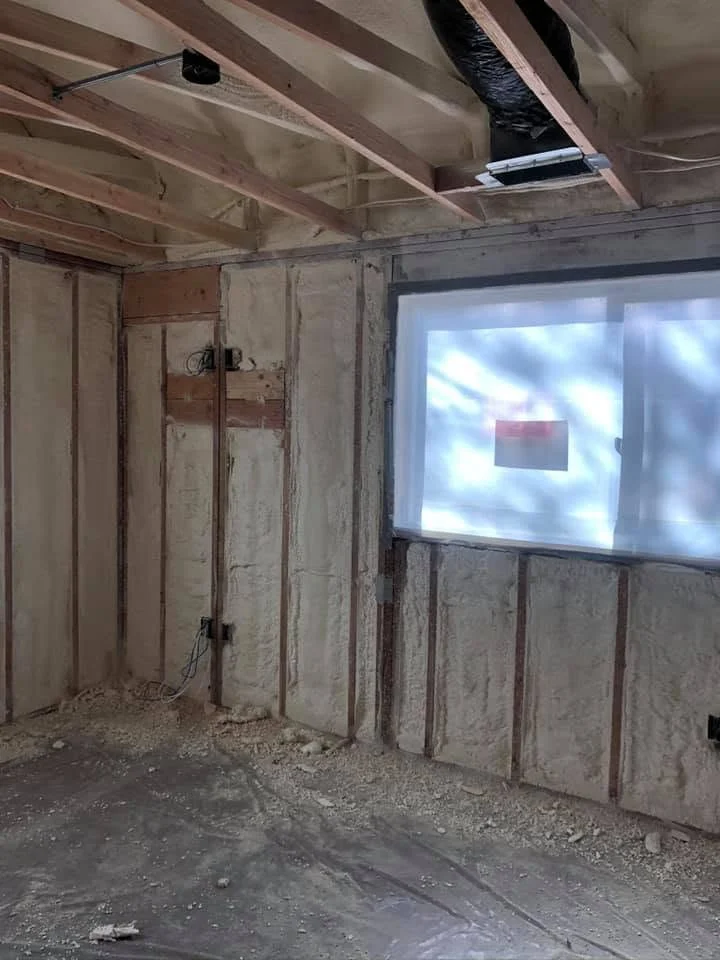
| Spray Foam | Excellent | High | Attics, walls, and crawlspaces |
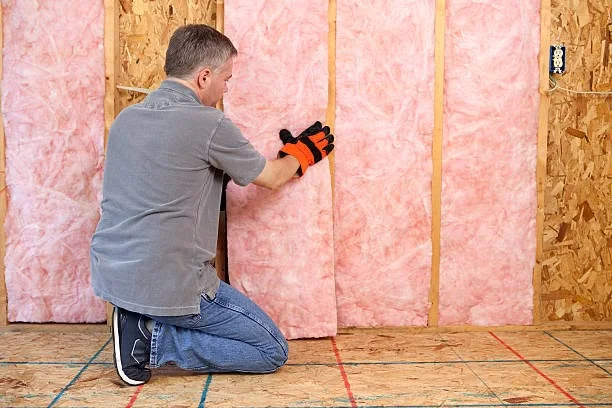
| Fiberglass | Minimal | Low | Open attic spaces |
| Cellulose | Moderate | Moderate | Retrofitting existing walls |
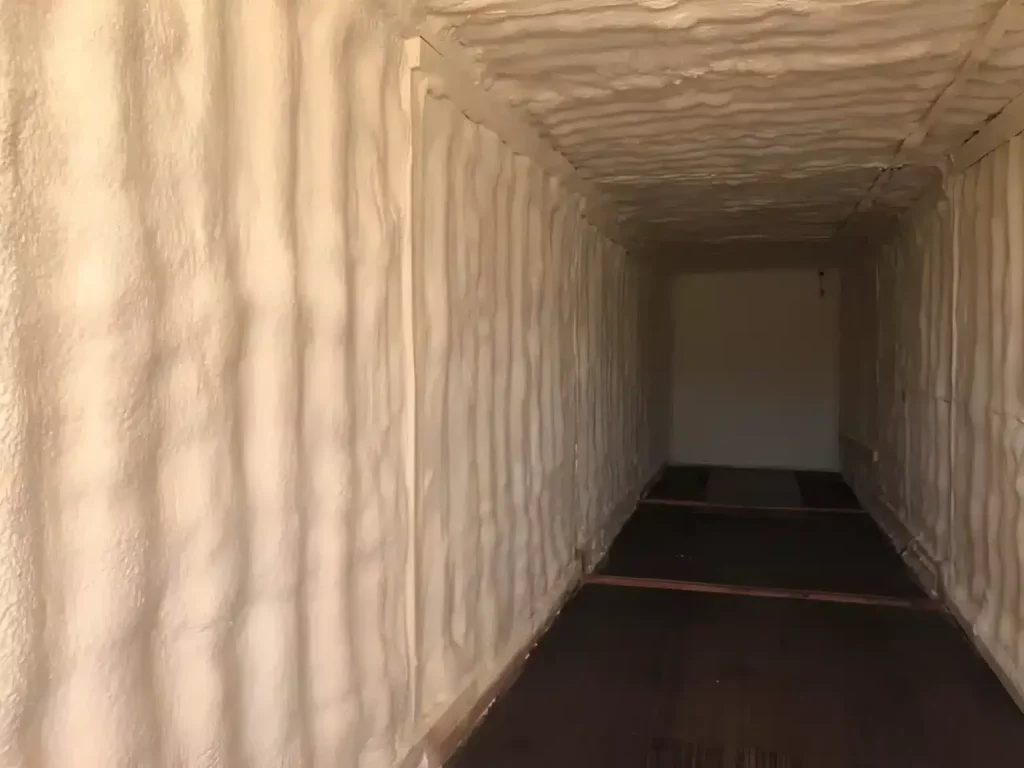
Spray foam is often a standout choice for Grants Pass homeowners because it expands to fill gaps, providing both an insulation layer and an air barrier in one application. This is particularly effective for managing the moisture issues common in our wet winter months.
Financial Benefits and Local Incentives
Improving your home’s energy efficiency is an investment that pays for itself over time. Beyond the immediate reduction in monthly utility bills, you increase the long-term value and comfort of your property.
Before starting your project, check with the Energy Trust of Oregon for current weatherization incentives. They frequently provide resources or rebates for homeowners who upgrade their insulation or take steps to tighten their home’s thermal envelope. Taking advantage of these programs can significantly offset your upfront costs.
Professional Assessment
Understanding your home’s thermal needs is the first step toward a more efficient house. Whether you are dealing with cold floors in the winter or a sweltering attic in the summer, we can help you identify exactly where your home is losing energy.
All Foam & Insulation, LLC your premier insulation contractor in Grants Pass, OR specializes in high-performance insulation solutions for the Rogue Valley. Among the many Grants Pass, OR insulation companies, we focus on personalized service to ensure your home meets its peak energy efficiency. If you are ready to stop energy loss, call us at (541) 826-9600 or email [email protected] to discuss your property.
Frequently Asked Questions
How long does the installation process take?
Most insulation projects for a standard home can be completed in one to three days, depending on the area size and material type used.
Does insulation help with noise reduction?
Yes, dense materials like spray foam provide excellent sound dampening, which can help quiet street noise and reduce sound transfer between floors.
What is the required R-value in Grants Pass?
Building requirements vary based on the specific structure, but we always follow current Oregon Residential Specialty Code to ensure your home meets or exceeds efficiency standards.
Is it worth insulating a crawlspace?
Absolutely. An uninsulated crawlspace is a major source of energy loss and moisture problems in Oregon homes, and it directly affects your floor temperatures.
Can I install insulation myself?
While some materials can be DIY-installed, professional installation ensures air gaps are fully sealed and materials are applied at the correct density for efficiency.
Sources
- U.S. Department of Energy – Provides data on energy savings from sealing leaks and adding insulation.
- Energy Star – Offers guidance on R-values and choosing the right insulation for different climate zones.
- Energy Trust of Oregon – Connects homeowners with incentives and rebates for energy-efficiency upgrades.
- Oregon Residential Specialty Code – Sets the official building and insulation standards for residential properties in Oregon.

- Fiberglass Batt vs. Roll Insulation in Ashland, OR: What’s the Difference? - October 15, 2026
- How Does Thermal Bridging Affect Closed-Cell Spray Foam Performance in Medford, OR? - October 13, 2026
- Why Do Medford Commercial Buildings Benefit From Closed-Cell Spray Foam? - October 13, 2026