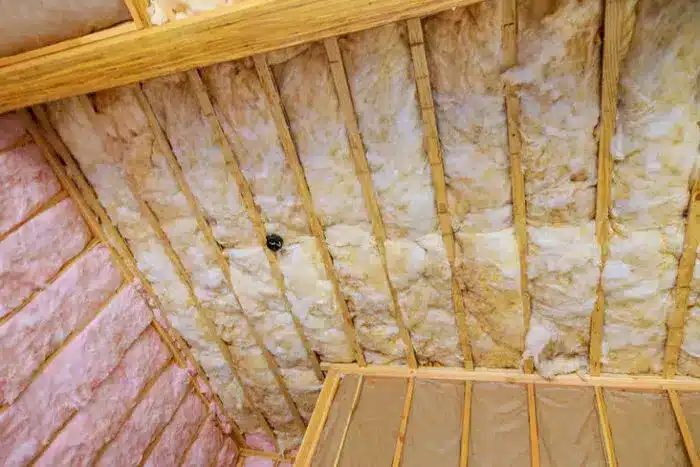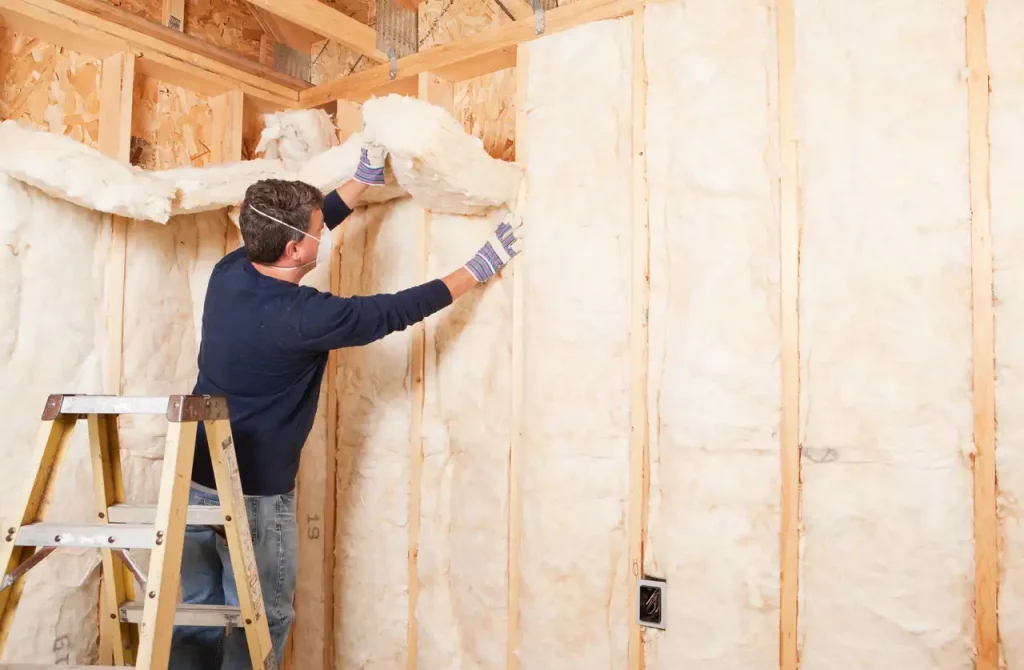

Air leaks in your home force your heating and cooling system to work harder than it should, driving up energy bills and creating uneven temperatures room to room. In Medford, where summer highs regularly push past 90 degrees and winter lows dip near freezing, those gaps and cracks in your building envelope have a direct, measurable impact on your comfort and your wallet. The fix involves two steps that work together: sealing the leaks first, then adding the right insulation solutions for homes and businesses to hold conditioned air where it belongs. Skipping either step leaves your home vulnerable.
TLDR: Key Takeaways
- Air sealing is one of the most cost-effective ways to reduce home energy use, according to the SOCAN, and it should always happen before adding spray foam insulation in Medford, OR.
- Medford sits in IECC Climate Zone 4C, where the recommended attic insulation level is R-60 for uninsulated attics and R-49 for attics with existing insulation, per ENERGY STAR.
- The Building America Solution Center identifies air sealing combined with attic insulation as one of the single most cost-effective measures available for improving home energy performance.
- Southern Oregon is experiencing a measurable warming trend, with cooling degree days climbing 4.4 per year and the number of 100-degree days increasing over recent decades, making proper air sealing and insulation more urgent than ever.
- At least 19 common areas in a typical home are known sources of air leakage, many hidden behind walls, above ceilings, and around utility penetrations.
- Federal tax credits may be available for insulation and air-sealing improvements that meet the 2021 International Energy Conservation Code requirements.
- Fibrous insulation alone is not an air barrier; air sealing and insulation are two separate steps that must both be completed for real performance gains.
Why Air Leaks Hit Medford Homes Harder
Medford experiences a hot-summer Mediterranean climate, with annual temperatures ranging from roughly 32 degrees in winter to 93 degrees in summer. That wide swing means your home fights a two-front battle: keeping heat out during long summer afternoons and retaining warmth during cold, wet winters. Every air leak undermines both efforts simultaneously.
Climate data for the region shows a clear warming trend over the past century, with Medford’s mean temperature rising at a rate of approximately 0.4 degrees Fahrenheit per decade according to NOAA records. At the same time, cooling degree days, which measure the demand for air conditioning, are climbing at 4.4 per year, while heating degree days are declining at 5.8 per year. The number of days exceeding 100 degrees has risen from roughly seven per year to eleven, with projections suggesting that number could reach 15 or more by the end of the century.
For homeowners, this trend means cooling loads are growing and will continue to grow. A home with unsealed air leaks and insufficient insulation will feel that shift acutely, in the form of higher utility bills, hotter indoor temperatures during summer heat waves, and HVAC systems that run continuously without reaching set temperatures.
Air Sealing vs. Insulation: Two Steps, Not One
A common misunderstanding among homeowners is that adding more insulation alone will solve comfort and efficiency problems. The DOE explains the distinction clearly: insulation acts like a sweater, slowing heat transfer through walls and ceilings, while air sealing acts like a windbreaker, blocking the actual movement of air through gaps and cracks. Without the windbreaker, wind still cuts through the sweater.
According to the DOE Guide to Air Sealing, fibrous insulation materials such as fiberglass and cellulose do not block air movement. Gaps around recessed lights, plumbing penetrations, duct registers, electrical boxes, and top plates allow conditioned air to escape and outside air to infiltrate regardless of how thick the insulation layer is. Air sealing must happen first, then insulation fills the cavities to hold temperatures steady.
The Building America Solution Center, operated by Pacific Northwest National Laboratory, recommends that all gaps, cracks, seams, and penetrations between conditioned and unconditioned spaces be sealed with appropriate sealants before any attic or wall insulation is installed. This includes caulking, spray foam, rigid blocking sealed in place, or other code-approved methods depending on the size and location of the gap.
Where Air Leaks Hide in Your Home
The DOE has identified at least 19 key locations where air sealing improves energy efficiency, comfort, and building durability. Some are obvious, like drafty windows and doors, but many others are hidden from view and harder to detect without professional diagnostic tools.
| Area | What Happens | Why It Matters |
|---|---|---|
| Attic hatch or pull-down stairs | Conditioned air rises into the attic year-round | Often the single largest attic air leak in a home |
| Recessed can lights | Air flows through gaps around housings | Can also create moisture and fire safety concerns |
| Plumbing and electrical penetrations | Open holes in top plates and framing | Stack effect drives warm air out through these gaps in winter |
| Rim joists and band joists | Gaps between foundation and floor framing | Major source of air infiltration from crawlspaces and basements |
| Duct register boots | Leaky connections between ducts and floors or ceilings | Forces HVAC system to condition unconditioned spaces |
| Dropped soffits and knee walls | Open cavities connect to unconditioned attic | Act as hidden channels for air and heat transfer |
A professional energy auditor using a blower door test and thermal imaging camera can pinpoint leaks that are invisible to the naked eye. DIY methods like holding a lit incense stick near suspected gaps on a windy day can catch obvious drafts, but they will miss the majority of hidden leakage paths.
What the Right Insulation Levels Look Like in Medford
Medford falls within IECC Climate Zone 4C, a warm-dry designation with significant heating and cooling demands. The ENERGY STAR recommended R-values for existing homes in this zone call for substantial insulation, particularly in attics and floors.
| Home Location | Recommended R-Value | Details |
|---|---|---|
| Uninsulated attic | R-60 | Full fill for best thermal performance |
| Attic with 3-4 inches existing | R-49 | Build on top of existing layer to reach target |
| Floor over unconditioned space | R-30 | Crawlspace or basement ceiling applications |
| Wood-frame walls (when re-siding) | R-13 + R-10 continuous insulation | Combo of cavity fill and exterior rigid board |
The DOE’s energy improvement credit page notes that the 2021 IECC requires R-60 for ceilings in uninsulated attics and R-20 plus R-5 continuous insulation, or equivalent combinations, for wood-frame walls in Zone 4C. Meeting or exceeding these levels ensures your home performs well under both winter heating and summer cooling loads, and it may qualify you for federal tax credits.
Different Homes, Different Priorities
Not every home needs the same approach. The right strategy depends on the age, construction type, and current condition of the building.
Older homes with no existing upgrades: Prioritize a full home energy assessment. These homes often have extensive air leakage through unsealed framing, no insulation in walls, and inadequate attic insulation. Understanding the difference between air sealing and insulation can help determine which improvements should come first. Attic air sealing and insulation typically deliver the fastest return on investment.
Homes built between 1980 and 2000: These homes likely have some wall insulation and minimal attic insulation, but air sealing was not a standard practice during construction. Focus on sealing the attic floor, rim joists, and duct connections before adding insulation to current code levels.
Newer construction: Even recent builds can have significant air leakage around penetrations and at framing transitions. A blower door test often reveals gaps that builders overlooked, particularly around complex framing, mechanical chases, and fire-rated assemblies.
Signs You’ve Found the Right Insulation Contractor
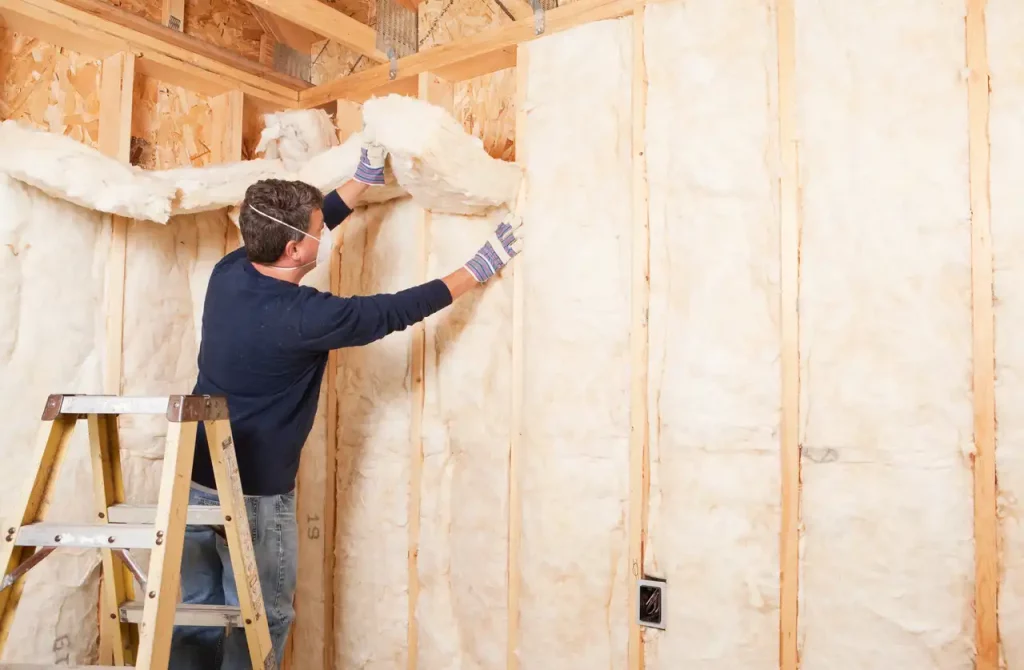
Choosing a contractor who understands the relationship between air sealing and insulation separates a worthwhile investment from wasted money. Here is what to look for:
- They prioritize air sealing before insulation. Any contractor who proposes adding insulation without first sealing attic penetrations, top plates, and other gaps is leaving the bulk of the problem unaddressed.
- They use diagnostic tools. Blower door testing and infrared cameras allow our team to measure actual air leakage rates and locate hidden problems, rather than guessing based on visual inspection alone.
- They follow established best practices. The Building America Solution Center publishes detailed checklists for attic air sealing and insulation that cover preparation, installation, and commissioning steps. Contractors who work from these standards deliver more consistent, higher-quality results.
- They explain the full scope of work. A thorough proposal should identify specific air-sealing targets, insulation materials and R-values, ventilation requirements, and any safety concerns such as knob-and-tube wiring or vermiculite insulation.
- They address ventilation explicitly. Sealing a home too tightly without accounting for fresh air needs can create moisture and air quality problems. A qualified contractor evaluates combustion safety and ventilation requirements before and after the work.
Get Your Medford Home Assessed Today
All Foam & Insulation helps Medford homeowners seal air leaks and install insulation that meets or exceeds current energy code requirements. Our team uses diagnostic testing to identify exactly where your home is losing energy, then we apply air sealing and insulation in the right order to deliver real, lasting comfort improvements. Whether your home needs a full energy retrofit or targeted attic sealing, we approach every project with the same thorough process.
Call us at (541) 826-9600 or email [email protected] to get started.
Frequently Asked Questions
Can I just add more insulation to my attic without air sealing first?
Adding insulation without sealing air leaks first reduces the effectiveness of the insulation significantly. Fibrous insulation does not block air movement, so conditioned air will continue to escape through the same gaps, and the new insulation may actually hide the leaks, making them harder to address later.
How do I know if my home has air leaks I cannot see?
Many air leaks are hidden behind drywall, above ceilings, and around framing that is not visible from inside the living space. A professional blower door test depressurizes the home and makes hidden leaks detectable with tools like smoke sticks, thermal cameras, or pressure pans.
Does air sealing make a home too tight?
Proper air sealing must be paired with adequate ventilation. A qualified contractor evaluates your home’s existing ventilation and combustion appliances before and after sealing to ensure healthy indoor air quality is maintained and no backdrafting occurs.
What R-value do I need for my Medford home’s attic?
For IECC Climate Zone 4C, which includes Medford, ENERGY STAR recommends R-60 for an uninsulated attic or R-49 if you already have three to four inches of existing insulation. Wall insulation targets depend on whether you are adding cavity fill, continuous exterior insulation, or both.
Are there tax credits available for insulation work?
Federal tax credits may be available for insulation and air-sealing improvements that meet 2021 IECC requirements. The DOE outlines eligibility criteria and qualifying improvements on its energy improvement credit resource page.
Sources
- DOE Guide to Air Sealing – Comprehensive homeowner guide from the U.S. Department of Energy covering why air sealing matters, where leaks occur, and how to find a qualified contractor.
- ENERGY STAR Recommended Home Insulation R-Values – Official R-value recommendations by climate zone for retrofitting existing wood-framed buildings, based on the 2021 IECC.
- Building America Solution Center: Attic Air Sealing and Insulation – DOE-funded technical checklist covering preparation, air sealing, insulation installation, and commissioning best practices.
- DOE Energy-Efficient Home Improvement Credit – Federal resource explaining tax credit eligibility for insulation and air-sealing work meeting 2021 IECC requirements, with climate zone R-value tables.
- SOCAN: Climate Trends and Projections for Medford and Jackson County – Research summary using NOAA and USGS data documenting Medford’s historical temperature trends, heating and cooling degree day shifts, and future projections.

- Faced vs. Unfaced Fiberglass Batts in Creswell, OR: Performance and Applications Compared - September 11, 2026
- How to Install Fiberglass Batt Insulation Between Floor Joists in Brookings, OR - September 11, 2026
- Fiberglass Batt Insulation Thickness: How Do You Choose the Right Size? - September 9, 2026