Closed-cell foam insulation delivers superior thermal performance due to its unique cellular structure that traps gas bubbles, achieving R-values of R-6 to R-7 per inch, the highest among common insulation materials. The closed-cell design prevents moisture infiltration and air movement, while the trapped refrigerant gas provides better thermal resistance than the air pockets found in other insulation types. This combination of high R-value per inch, moisture barrier properties, and air sealing capability makes closed-cell foam an efficient solution for maximizing insulation in limited space applications.
What R-Value Actually Means
R-value measures thermal resistance, the ability of a material to resist heat flow. Higher R-values indicate better insulating properties. The calculation is straightforward: R-value equals thickness divided by thermal conductivity. When you see R-19 insulation, it means that the material resists heat transfer 19 times more effectively than just air alone.
Many homeowners misunderstand R-value as a standalone performance metric. The real story involves how materials perform under actual conditions. R-values can decrease with temperature changes, moisture accumulation, and improper installation. According to the U.S. Department of Energy, proper installation is crucial for achieving rated R-values in real-world applications.
Why Closed-Cell Foam Outperforms Other Materials
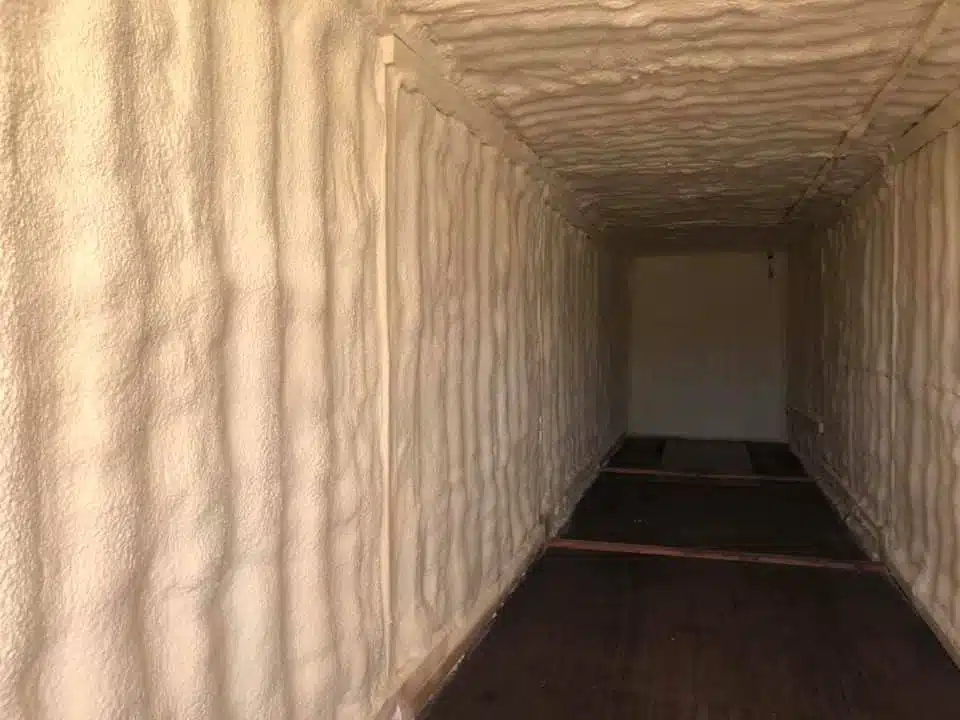
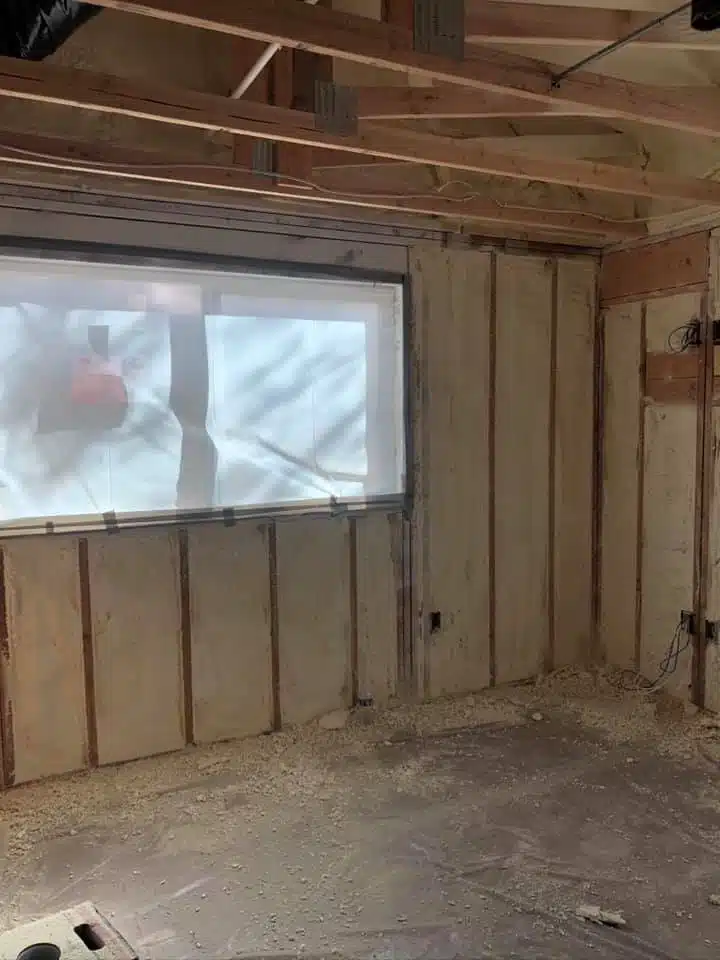
Closed-cell spray foam insulation contains millions of tiny closed cells filled with gas, typically a hydrofluorocarbon or hydrochlorofluorocarbon. These gas bubbles have lower thermal conductivity than air, providing superior insulation per inch of thickness. The closed cells also create an effective vapor barrier and air seal.
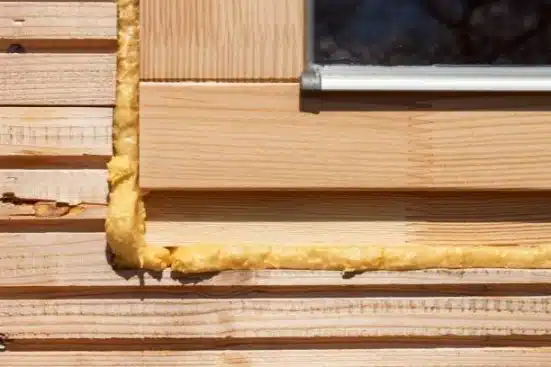
The foam expands to 30-60 times its liquid volume during application, filling gaps and cracks that traditional insulation materials miss. This complete coverage eliminates thermal bridging, the heat transfer that occurs through framing members and other conductive materials.
Comparison of Common Insulation Materials
| Material | R-Value per Inch | Vapor Barrier | Air Barrier |
|---|---|---|---|
| Closed-Cell Foam | R-6.0 to R-7.0 | Yes | Yes |
| Open-Cell Foam | R-3.5 to R-4.0 | No | Yes |
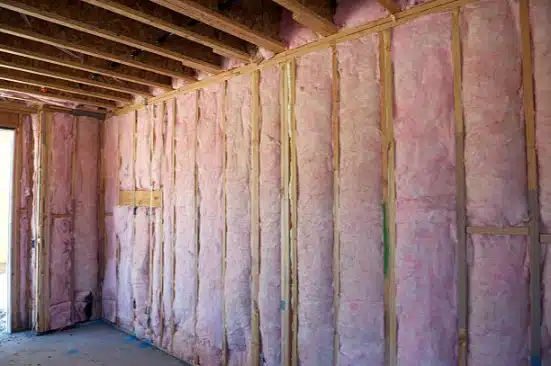
| Fiberglass Batts | R-3.2 to R-3.8 | No | No |
| Cellulose | R-3.2 to R-3.8 | No | Partial |
| Rigid Foam Board | R-4.0 to R-6.5 | Yes | Partial |
Market data from Froth-Pak indicates that spray foam insulation demand has grown significantly as building codes become more stringent and energy costs rise. The material’s ability to serve multiple functions, insulation, air sealing, and vapor barrier, justifies its higher initial cost for many applications.
Installation Considerations and Performance Factors
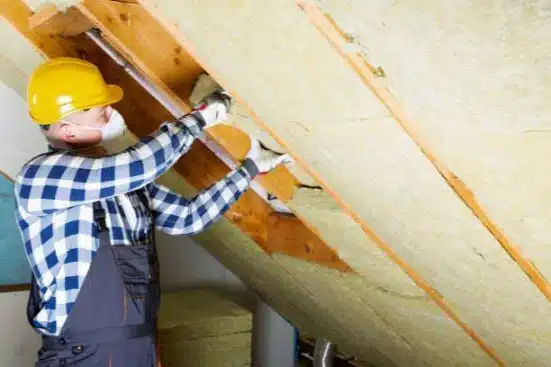
Proper installation directly affects final R-value performance. Closed-cell foam requires specialized equipment and trained applicators. The material cures quickly, leaving little room for error. Temperature and humidity during application affect expansion and final density.
The foam’s structural strength, withstanding pressures up to 250 psi, makes it suitable for roof decks and other load-bearing applications. However, this rigidity requires careful planning around electrical boxes and plumbing penetrations.
Bonus Tip: In metal building applications, closed-cell foam prevents condensation issues that plague traditional fiberglass insulation, extending building lifespan and reducing maintenance costs.
Climate-Specific Applications
Climate zones significantly influence insulation strategy. In cold climates like the Northeast, closed-cell foam’s air sealing capabilities prevent cold air infiltration and ice dam formation. The material’s high R-value per inch allows for thinner wall assemblies while meeting energy codes.
Hot-humid regions benefit from closed-cell foam’s vapor barrier properties, preventing moisture migration that can lead to mold growth. According to Building Science Corporation, proper vapor control is critical in these climates to avoid building envelope failures.
Bonus Tip: In coastal areas, closed-cell foam’s moisture resistance provides additional protection against hurricane-driven rain and flooding damage.
Things to Consider Before Making a Decision
Project requirements should guide insulation selection. Closed-cell foam excels in applications where space is limited or where moisture control is critical. The higher initial cost may be offset by reduced heating and cooling expenses over time.
Consider existing construction versus new builds. Retrofits often benefit from closed-cell foam’s ability to seal existing gaps and cracks. New construction allows for integration with other building envelope systems for optimal performance.
Bonus Tip: For homeowners with chemical sensitivities, inquire about low-VOC formulations and proper ventilation requirements during and after installation.
Final Considerations
Closed-cell foam insulation offers unmatched performance per inch through its unique cellular structure and gas-trapping mechanism. The combination of high R-value, air sealing, and moisture barrier properties makes it suitable for demanding applications across various climate zones. When evaluating insulation options, consider the complete system performance rather than focusing solely on material cost or R-value numbers. The right choice depends on your specific project requirements, climate conditions, and long-term building performance goals.
Professional Assessment Available
For personalized guidance on insulation solutions for your specific situation, contact All Foam & Insulation, LLC at [email protected] or call (541) 826-9600. A professional assessment can help determine whether closed-cell foam provides the best value for your particular needs, considering factors like building type, climate zone, and budget constraints.
Frequently Asked Questions
Does closed-cell foam need a vapor barrier?
No, closed-cell foam is a Class II vapor retarder and serves as its own vapor barrier in most applications.
How thick should closed-cell foam be?
For most applications, 2-3 inches of closed-cell foam provides sufficient insulation and air sealing. Local building codes may specify minimum requirements.
Is closed-cell foam environmentally friendly?
While the blowing agents have environmental concerns, the long-term energy savings often offset initial impacts. Some manufacturers now use hydrofluoroolefins with lower global warming potential.
Can closed-cell foam be DIY installed?
Professional installation is strongly recommended due to the specialized equipment required and the health and safety considerations of the chemicals involved.
Sources
- U.S. Department of Energy – Official government resource on insulation types, R-values, and installation guidelines
- Building Science Corporation – Research organization focused on building performance and envelope design principles