Closed-cell insulation maintains consistent energy efficiency throughout all seasons by creating a continuous air barrier that prevents both heat loss in winter and heat gain in summer. Its unique closed-cell structure traps gas molecules that resist thermal transfer, while its dense composition blocks moisture intrusion and air movement. This dual-action performance means your heating and cooling systems work less, resulting in lower energy bills regardless of outdoor temperatures. The following information details the technical mechanisms behind this year-round efficiency, practical installation considerations, and performance comparisons with other insulation options based on extensive field experience.
Understanding Closed-Cell Insulation Structure
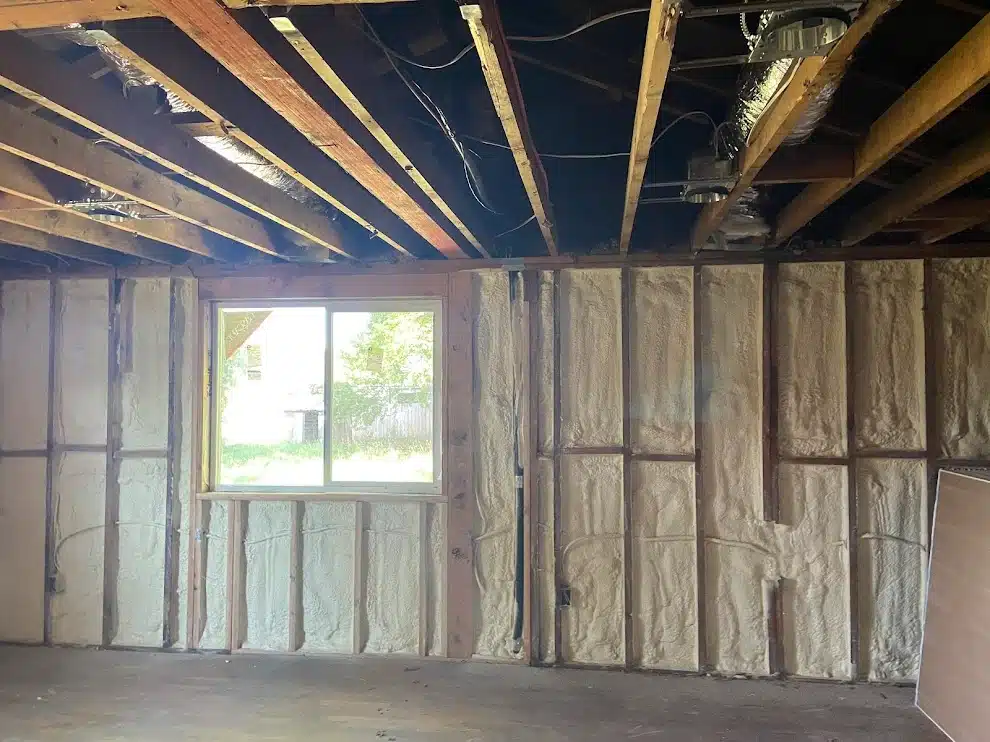
Closed-cell spray foam insulation consists of millions of tiny plastic cells completely sealed off from one another, each containing gas that provides superior insulating properties. Unlike open-cell alternatives, these closed cells don’t interconnect, creating a solid material that’s both moisture-resistant and structurally strong. The insulation typically achieves R-values between 6.0 and 7.0 per inch, nearly double what most traditional insulation materials offer. This high R-value per inch means thinner walls can achieve the same thermal performance as thicker assemblies with other materials.
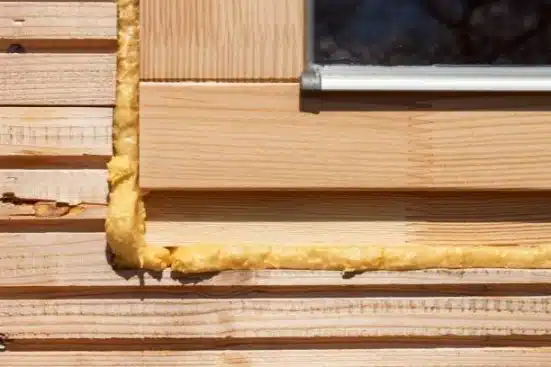
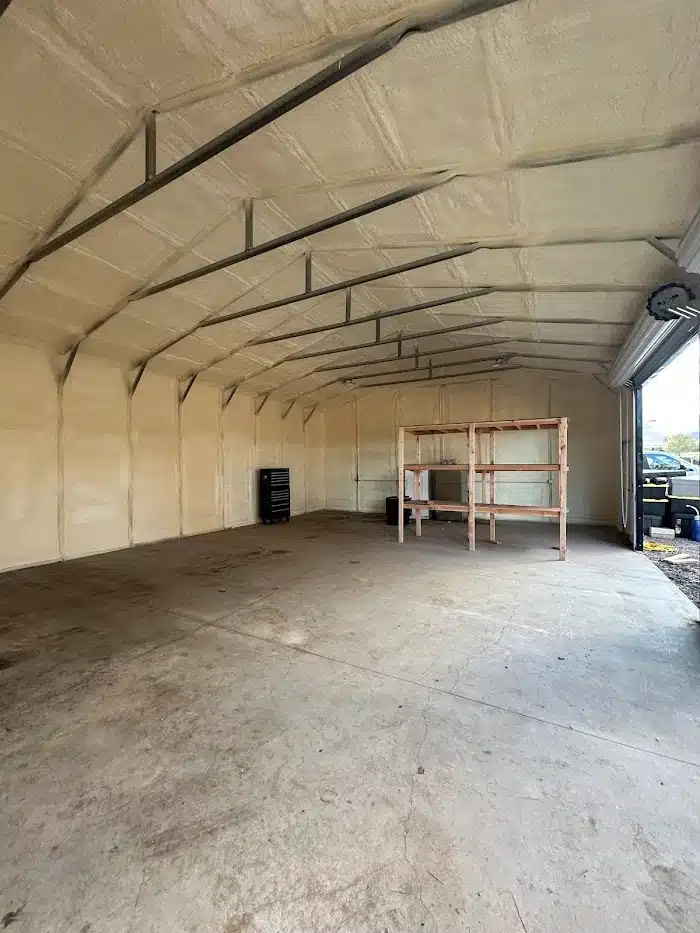
The manufacturing process involves mixing two liquid components that react and expand rapidly, filling every cavity and creating a seamless thermal envelope. This expansion allows the insulation to penetrate cracks, crevices, and hard-to-reach areas that other insulation types cannot access. The foam cures to a rigid material that adds structural strength to walls and roofs while maintaining its insulating properties for decades without settling or degrading.
Year-Round Performance Benefits
Summer Performance
During hot months, closed-cell insulation prevents heat transfer through building envelopes in three distinct ways. First, the trapped gas bubbles create a thermal barrier that slows conductive heat flow. Second, the material’s low permeability blocks convective heat movement through air currents. Third, the reflective properties of the foam surface reduce radiant heat transfer. This combination keeps interior spaces cooler without overworking air conditioning systems.
The insulation’s moisture resistance adds another layer of summer efficiency. By blocking humidity infiltration, it reduces the load on air conditioning systems that would otherwise need to dehumidify incoming air. This moisture barrier also prevents mold growth and wood rot that can compromise structural integrity over time.
Winter Performance
In cold weather, the same properties that block summer heat gain prevent winter heat loss. The closed-cell structure eliminates air leakage that typically accounts for 25-40% of heat loss in buildings, according to research from the U.S. Department of Energy. The insulation provides a continuous thermal break, preventing cold spots and condensation in wall assemblies.
The material’s structural rigidity prevents compression over time, maintaining its full insulating capacity throughout decades of temperature cycling. Unlike fiberglass or cellulose that can settle in wall cavities, closed-cell foam remains in place, ensuring consistent performance without the need for replacement or augmentation.
Performance Comparison with Other Insulation Types
| Insulation Type | R-Value per Inch | Air Barrier | Vapor Barrier | Lifespan |
|---|---|---|---|---|
| Closed-Cell Foam | 6.0-7.0 | Yes | Yes | 80+ years |
| Open-Cell Foam | 3.5-4.0 | Yes | No | 50+ years |
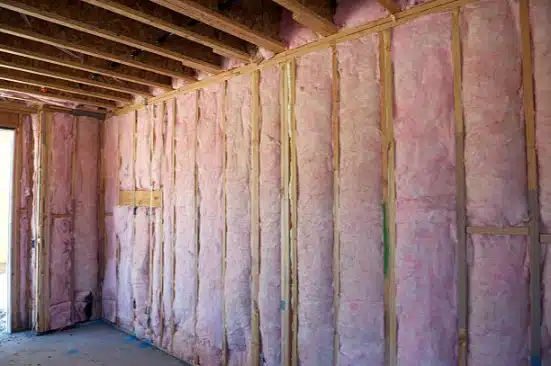
| Fiberglass Batts | 2.9-3.8 | No | No | 20-30 years |
| Cellulose | 3.2-3.8 | Partial | No | 30-40 years |
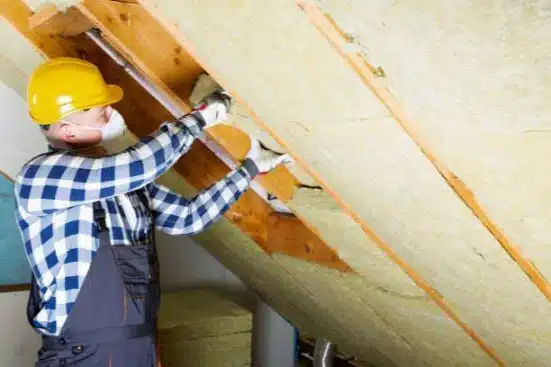
| Mineral Wool | 3.0-3.5 | No | No | 50+ years |
Market Trends and Economic Impact
The global spray foam insulation market was valued at approximately $4.5 billion in 2022 and is projected to grow at a compound annual growth rate of 5.8% through 2030, according to industry analysis from Grand View Research. This growth reflects increasing awareness of energy efficiency benefits and stricter building codes requiring higher performance materials.
Homeowners who install closed-cell insulation can expect energy savings of 30-50% on heating and cooling costs, based on data from the Insulation Institute. These savings typically provide a return on investment within 3-5 years, making closed-cell foam one of the most cost-effective energy upgrades available. In regions with extreme temperatures, the payback period can be even shorter due to higher energy demands.
Regional climate considerations significantly impact insulation effectiveness. In hot-humid climates like the southeastern United States, the moisture barrier properties of closed-cell foam provide additional value by preventing condensation issues. In cold northern regions, the air sealing capability delivers substantial heating savings that justify the higher initial investment.
Things to Consider Before Making a Decision
Building design and construction methods play critical roles in determining whether closed-cell insulation is appropriate. Existing homes with limited access to wall cavities may require more invasive installation methods than new construction projects. The professional installation requirement also affects budget considerations, as a DIY application is not feasible for spray foam systems.
Climate zone influences the optimal thickness of application. The International Energy Conservation Code specifies R-value requirements for different climate zones, typically ranging from R-13 in warm climates to R-49+ in cold regions. Since closed-cell foam achieves higher R-values per inch, it can meet these requirements with less cavity space than competing materials.
Building code compliance must be verified before installation. Many jurisdictions require ignition barriers over spray foam insulation in living spaces, adding to project complexity and cost. Working with certified installers ensures proper application techniques and code adherence.
Bonus Tip: Always verify that your installer has current certification from reputable organizations like the Spray Polyurethane Foam Alliance (SPFA). This certification ensures proper training in both application techniques and safety protocols.
Bonus Tip: Request detailed documentation of the installed thickness and resulting R-value. Professional installers should provide this information along with warranty documentation for both the materials and workmanship.
Final Considerations
Closed-cell insulation delivers consistent energy performance throughout seasonal changes by combining high R-values with complete air and moisture barrier properties. The material’s long-term stability and resistance to environmental factors ensure that initial performance benefits continue for decades without degradation. The higher upfront cost is typically offsets through reduced energy consumption and lower maintenance requirements over the building’s lifespan.
When evaluating insulation options, consider your specific climate, building construction, and long-term occupancy plans. New construction projects maximize the efficiency advantages of closed-cell insulation by allowing optimal application techniques. Retrofits should focus on accessible areas like attics and crawlspaces where installation disruption remains minimal.
Get Professional Guidance
For personalized assistance with your insulation needs, contact All Foam & Insulation, LLC. Our team can assess your specific project requirements and provide detailed recommendations based on your building characteristics and local climate conditions. Reach out via email at [email protected] or call (541) 826-9600 to schedule a consultation and receive an accurate project estimate based on your insulation goals.
Frequently Asked Questions
How long does closed-cell insulation last?
When properly installed, closed-cell insulation lasts the lifetime of the building without degradation. The plastic material does not settle, compress, or absorb moisture over time, maintaining its R-value and structural properties for 80+ years according to manufacturer specifications.
Is closed-cell insulation safe for indoor air quality?
After curing, closed-cell foam is completely inert and safe for indoor environments. The initial installation period requires ventilation as the foam off-gases during curing, typically lasting 24-72 hours. Once cured, the material does not emit chemicals or particulates into living spaces.
Can closed-cell insulation be installed in existing homes?
Yes, but installation requires drilling access holes in walls or removing siding/exterior sheathing. Many homeowners choose to install closed-cell foam during major renovations when walls are already opened. Attics and crawlspaces offer easier access points for retrofit applications.
Does closed-cell insulation require vapor barriers in all climates?
The closed-cell structure itself serves as a vapor barrier, eliminating the need for additional vapor retarders in most applications. However, climate-specific requirements vary, and some building codes may require additional vapor control in certain assemblies.
What maintenance does closed-cell insulation require?
Closed-cell insulation requires virtually no maintenance once installed. Unlike other insulation types that may need replacement due to water damage, pest infestation, or settling, closed-cell foam remains effective without periodic inspection or upkeep.
Sources
- Grand View Research – Market analysis and growth projections for the spray foam insulation industry
- U.S. Department of Energy – Official data on heat loss through air leakage in residential buildings
- Insulation Institute – Research-based energy savings data for various insulation types and applications