
Many homeowners ask whether spray foam insulation for crawl space areas is worth the investment, and the short answer is yes. Applied correctly, spray foam creates an airtight seal that reduces heat loss, blocks moisture, and improves comfort throughout the home. Since closed-cell foam does most of the heavy lifting in crawl space applications, it helps to understand closed-cell foam performance before weighing costs and installation details. This guide breaks down the benefits, the trade-offs, and the best practices for getting it right.
TL;DR
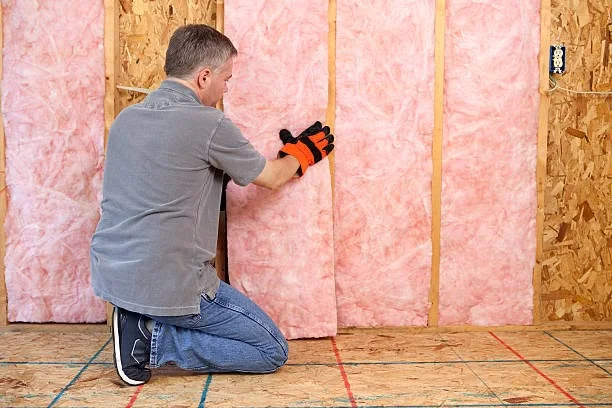
- Spray foam insulation for crawl space areas seals air leaks, blocks moisture, and lowers energy bills more effectively than fiberglass batts.
- Closed-cell foam is the better choice for spray foam insulation under house applications because it resists water and adds structural strength.
- Expect a higher upfront cost than traditional insulation, but long-term energy savings often offset the difference.
- Existing moisture problems should be fixed before any crawl space encapsulation project begins.
- Professional installation matters: proper thickness, ventilation changes, and code compliance all affect performance.
Understanding Spray Foam Insulation
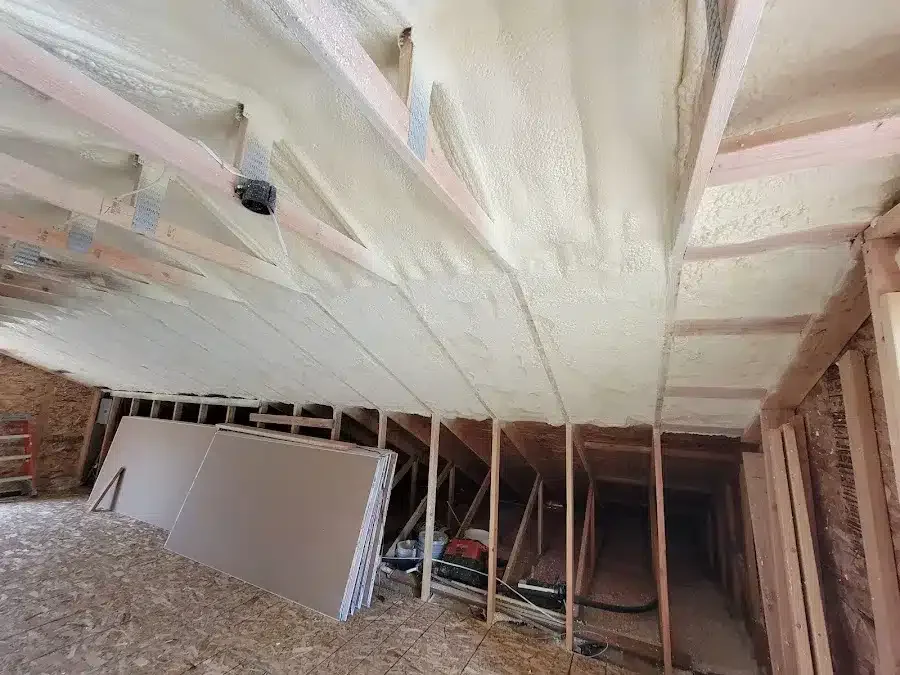
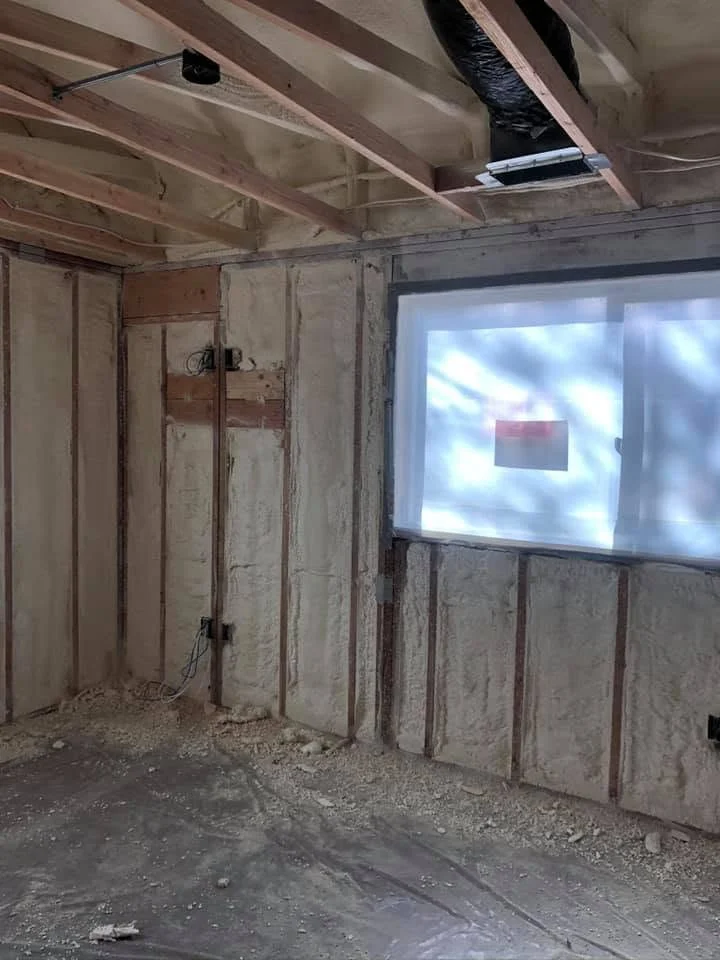
Spray foam is a chemical-based material that expands on contact, filling gaps and cracks that fiberglass or rigid board insulation simply cannot reach. There are two main types used for spray foam insulation under house and crawl space projects:
- Open cell spray foam: Lightweight and flexible, with decent soundproofing and moderate thermal resistance.
- Closed cell spray foam: Denser and more rigid, with excellent insulation value and strong moisture resistance.
Both can work in a crawl space, but closed cell spray foam for crawl space applications is generally the preferred option because of its durability and resistance to water intrusion, something open cell foam cannot match in a damp, below-grade environment.
Benefits of Spray Foam Under House and in Crawl Spaces
1. Better Energy Efficiency
Crawl spaces are notorious for air leaks. Uninsulated or poorly insulated crawl spaces let conditioned air escape in winter and let heat creep in during summer. Spray foam insulation in crawl spaces acts as a continuous thermal barrier, so your HVAC system works less to maintain a stable temperature.
2. Moisture Control and Mold Prevention
Fiberglass absorbs moisture, and once it does, it becomes a breeding ground for mold and mildew. Spray foam does not absorb water, which is one of the main reasons installations under houses are recommended in humid or flood-prone regions.
3. Cleaner Indoor Air
When you seal a crawl space properly, you reduce the pathway for outdoor pollutants, allergens, and pests to enter the living space above. This directly supports better indoor air quality, a factor tied to moisture control in homes, according to the EPA.
4. Added Structural Support
Closed-cell spray foam for crawl space floors adds rigidity to joists and subflooring, helping resist movement and shifting over time.
5. Pest Deterrence
Unlike fiberglass, which rodents and insects can nest in, cured spray foam does not provide a hospitable environment for pests seeking shelter.
Considerations Before You Insulate
Existing Moisture Issues
Standing water, high humidity, or an active leak needs to be addressed first. If you’re planning a full crawl space encapsulation, a professional assessment can determine whether you also need a sump pump or dehumidifier before foam goes in.
Ventilation Changes
Sealing a crawl space with foam often means adjusting or closing existing vents. Many contractors specializing in closed-cell spray foam recommend a full encapsulation approach rather than a partial seal, since half-measures can trap moisture rather than control it.
Cost
Pros and cons of spray foam insulation in crawl space projects usually come down to cost versus performance. Spray foam has a higher upfront price than fiberglass or rigid foam board, but insulation upgrades typically pay back through reduced heating and cooling costs over the life of the home, according to the Department of Energy.
Professional vs. DIY
DIY kits exist, but they rarely achieve the coverage and thickness a licensed installer can deliver. Incomplete coverage leaves gaps that undermine the whole point of insulating in the first place.
How Much Spray Foam Insulation Do You Need for a Crawl Space?
The right amount depends on square footage, wall height, and local building code requirements, but there are a few standard steps most professional jobs follow:
- Seal existing air leaks first. Identify cracks and gaps around pipes and rim joist openings before applying any foam.
- Choose the correct foam type. Closed-cell is typically specified for crawl spaces because of its moisture resistance.
- Apply to the correct thickness. About 2 inches is generally needed to achieve both insulation value and vapor-barrier performance.
- Encapsulate for full performance. Pairing foam application with a ground vapor barrier provides the most complete moisture and temperature control.
Spray Foam vs. Other Crawl Space Insulation Methods
| Insulation Type | Energy Efficiency | Moisture Resistance | Durability | Pest Resistance |
| Fiberglass Batts | Low | Poor | Moderate | Poor |
| Rigid Foam Boards | Moderate | Good | Good | Moderate |
| Spray Foam (Closed Cell) | High | Excellent | High | High |
Why Work With a Professional Insulation Team
A properly executed spray foam insulation project for a crawl space depends on the correct thickness, code-compliant ventilation upgrades, and the right foam type for your climate. If your crawl space already shows signs of moisture damage, it’s also worth reading about mold and moisture prevention, since the same principles that protect wall cavities apply below the floor. Working with an experienced, licensed insulation contractor helps you avoid the common mistakes that turn a good idea into a costly redo.
Frequently Asked Questions
Is spray foam insulation safe for crawl spaces?
Yes. When installed correctly, it is safe and effective, preventing moisture buildup, improving air quality, and adding structural support.
How long does spray foam insulation last in a crawl space?
With proper installation, spray foam can last for decades, generally outlasting fiberglass and other traditional insulation materials.
Can I install spray foam insulation in my crawl space myself?
DIY kits exist, but professional installation ensures the foam is applied evenly, at the correct thickness, and in compliance with local building codes.
Will spray foam insulation help lower my energy bills?
Yes. By sealing air leaks, spray foam reduces the workload on your heating and cooling system, which typically lowers utility costs over time.
What is the best time of year to install spray foam insulation in a crawl space?
Spray foam can be installed year-round, though moderate temperatures and humidity generally support the best curing and adhesion.
How much does spray foam insulation cost for a crawl space?
Cost depends on square footage, foam thickness, and regional labor rates. A professional assessment gives the most accurate estimate for your specific space.
Does spray foam insulation have any environmental impact?
Some spray foam formulations use lower-impact blowing agents, and the long-term energy savings from a well-sealed home can help reduce overall energy consumption.

- Fiberglass Batt vs. Roll Insulation in Ashland, OR: What’s the Difference? - October 15, 2026
- How Does Thermal Bridging Affect Closed-Cell Spray Foam Performance in Medford, OR? - October 13, 2026
- Why Do Medford Commercial Buildings Benefit From Closed-Cell Spray Foam? - October 13, 2026