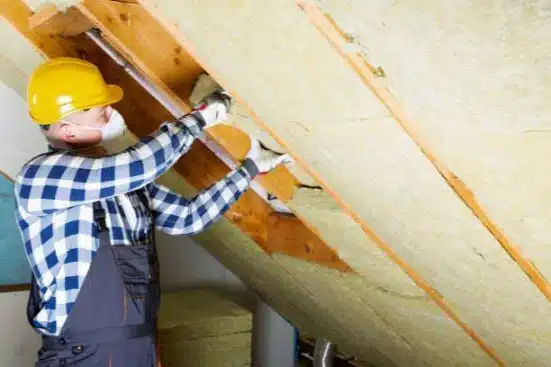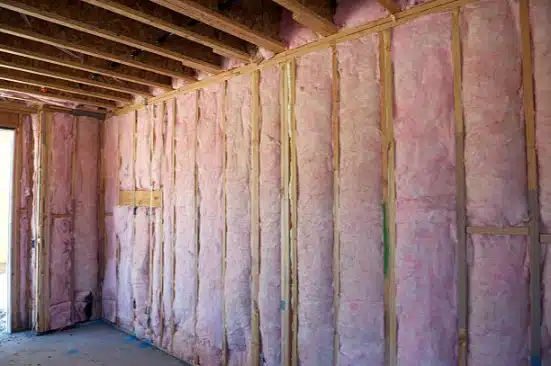

Yes, open-cell spray foam insulation in Ashland, OR significantly reduces outside traffic noise, particularly the mid- to high-frequency sounds associated with passing cars, distant sirens, and everyday street chatter. The core function of open-cell foam in noise mitigation is sound absorption. Unlike dense materials that simply block sound (and often reflect it), the porous, spongelike structure of open-cell foam captures and dissipates sound waves traveling through the air.
For residents situated near high-traffic corridors like I-5 or the busier parts of Highway 99, the constant flow of vehicles generates both intense airborne noise and significant structural vibrations. Achieving true quiet requires managing both types of transmission. The success of any noise reduction strategy depends on understanding how different materials interact with these specific sound dynamics. This article details the acoustic properties of open-cell foam and outlines key considerations for maximizing its noise-reduction benefits in Southern Oregon homes.
Understanding the Mechanics of Sound Reduction
Sound travels through a building in two primary ways: airborne transmission and structure-borne transmission. Airborne transmission is the sound passing through the air and entering the wall assembly through gaps or lightweight materials. Structure-borne transmission involves vibration energy transferring directly through solid structural components, such as studs and joists.
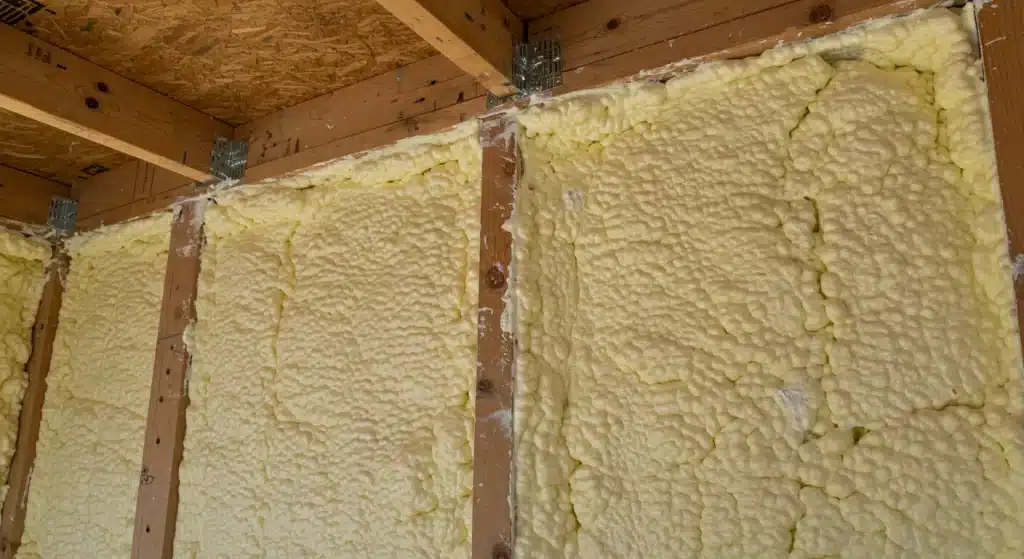
Open-cell spray foam effectively mitigates airborne transmission. The tiny, interconnected air pockets within the foam create an ideal medium for absorbing sound energy. When a sound wave enters the material, the air movement causes the cell structure to vibrate, converting the sound wave’s kinetic energy into negligible heat. This dramatically dampens the sound volume before it reaches the living space.
The Role of STC and NRC Ratings
When evaluating materials for noise control, two key metrics matter: Sound Transmission Class (STC) and Noise Reduction Coefficient (NRC). STC measures a material’s ability to block sound transmission, which generally favors dense, heavy construction. NRC, however, measures the material’s ability to absorb sound, which is where open-cell foam excels.
Open-cell foam typically has a high NRC rating (often 0.60 to 0.70 or higher), meaning it absorbs 60% to 70% of the sound energy incident on it. While its STC rating is generally lower than that of closed-cell foam or traditional dense insulation services in Ashland, OR, its superior absorption qualities make it an excellent choice for mitigating everyday environmental noise, especially when installed in a whole-wall assembly. When installed in a full-wall assembly, the foam’s superior absorption, combined with the mass of the building materials, creates a comprehensive barrier against noise transmission.
Open-Cell vs. Closed-Cell for Noise Control
It is common to confuse the acoustic properties of the two main types of spray foam. While closed-cell foam is denser and offers higher structural integrity, open-cell is usually preferred specifically for acoustic benefits.
| Feature | Open-Cell Foam | Closed-Cell Foam |
|---|---|---|
| Density | Low (0.5 lb/ft³) | High (2.0 lb/ft³) |
| Primary Acoustic Role | Sound Absorption (High NRC) | Sound Blocking (High STC) |
| Effect on Traffic Noise | Reduces mid/high frequencies (hiss, chatter) | Reduces low frequencies (truck rumble, bass) |
| Air Sealing Performance | Excellent | Excellent |
| Vapor Permeance | Permeable (allows vapor transfer) | Non-Permeable (vapor barrier) |
For Ashland properties near major roads, the best strategy first leverages the open-cell foam’s air-sealing and high-absorption qualities. This is then paired with dense layers (like multiple sheets of drywall) to manage the low-frequency vibrations that heavy materials block. The foam’s mass, combined with its primary absorption properties, contributes significantly to the overall wall assembly rating.
Bonus Tip 1: When planning a wall assembly for extreme noise reduction, consider adding an inexpensive layer of viscoelastic damping compound between two sheets of drywall. This helps convert vibrational energy into heat, working alongside the open-cell foam to create a highly effective soundproofing system.
Specific Acoustic Benefits for the Rogue Valley Climate
The Ashland area experiences significant temperature swings, making energy efficiency a priority. According to the US Department of Energy, spray foam insulation is highly effective at reducing air leakage, which is often the easiest path for sound to travel. By creating a complete air seal, open-cell foam prevents traffic noise from entering through gaps around electrical outlets, window frames, or where the walls meet the floor plate.
This air-sealing function is critical in older homes typical of the Ashland region. A 2021 review of sound insulation materials published by Acoustics Today confirmed that even a small, unsealed gap in a wall assembly can drop the overall sound reduction performance (STC rating) by several points, regardless of how good the insulation material itself is. The continuous barrier provided by spray foam ensures that air and sound are managed simultaneously.
Things to Consider Before Making a Decision
Selecting open-cell foam for noise control requires a focused assessment of the structure and the type of noise you are trying to mitigate. Installation is rarely a standalone fix; it’s part of a system.
- Existing Noise Profile: Is the noise predominantly high-pitched (squealing tires, horns) or low-frequency (large trucks, construction equipment)? Open-cell is ideal for the former, but the latter requires more mass and possibly isolation techniques (like resilient channels).
- Wall Assembly Details: Spray foam works best when applied directly to the sheathing between the studs. Adding mass to the interior side (extra layers of drywall) after installation maximizes the blocking effect and complements the foam’s absorption.
- Window and Door Quality: The weakest link determines the overall performance. If windows facing the traffic source are single-pane or poorly sealed, insulating the walls will yield only minimal noticeable improvement. High-quality double or triple-pane acoustic windows are often mandatory for homes near very loud highways.
Bonus Tip 2: For maximum sound control, ensure the installer fills the wall cavity. Open-cell foam expands to fill every void, eliminating the pathways sound would typically exploit in poorly installed batt insulation. This complete fill is vital for acoustic performance.
Summary of Open-Cell Foam for Ashland Homes
Open-cell spray foam insulation is an effective way to control airborne noise, making it a powerful tool for residents seeking refuge from traffic noise in the Ashland area. Its combination of superior air-sealing and high sound absorption capabilities directly addresses the two main ways traffic noise enters a building: gaps and porous materials. When planning your insulation project, focus on a complete system that manages both absorption (via the foam) and blocking (via dense materials) to deliver the most transformative results. Evaluating your specific noise source and ensuring proper installation are the final, essential steps toward a quieter home.
Consult with Experts on Sound and Insulation
Making the right choice for your home’s noise and energy profile requires specific technical knowledge. To discuss how open-cell foam performs in your unique situation near high-traffic areas, or to schedule a site evaluation, reach out us directly. Our team is available by phone at (541) 826-9600 or via email at [email protected] to guide you in optimizing your building envelope.
Sources
- US Department of Energy – Provides comprehensive data on the energy efficiency and air-sealing benefits of various insulation types, including spray foam.
- Acoustics Today – A journal publishing articles on modern acoustic science, cited here for its review of how even small gaps compromise the overall sound performance of wall assemblies.
FAQS
Why Choose Open-Cell Over Other Insulation Types?
While fiberglass batts can offer decent acoustic damping, they often fail to provide a complete air seal, leaving gaps where sound leaks. Cellulose is a heavier material but is typically loose-filled and settles over time, potentially compromising the acoustic barrier. Open-cell foam provides a single, rigid, air-tight, sound-absorbing layer that outperforms traditional materials by simultaneously eliminating convection and air transmission.
Does Thickness Matter for Sound Absorption?
Yes, greater thickness generally means better sound absorption, particularly at lower frequencies. While 3.5 inches of foam in a standard 2×4 wall cavity provides significant absorption, thicker applications (5.5 inches in 2×6 construction) will damp a broader spectrum of noise. The deeper the acoustic trap, the better the result.
Will the Foam Help with Interior Noise Too?
Certainly, open-cell foam applied to interior walls (between bedrooms, bathrooms, or floors) acts as an exceptional sound buffer, dramatically improving privacy and reducing noise transfer within the home. This internal benefit is often just as appreciated by homeowners as the external reduction in traffic noise.
What About Low-Frequency Noise Near I-5?
Low-frequency sounds (such as the deep rumble of trucks braking on a highway incline) are best managed with high mass and structural decoupling. While open-cell foam provides some damping, properties very close to I-5 need a system. This system should include the foam (for air sealing and absorption) plus heavy materials like concrete, fiberboard siding or high-mass drywall assemblies to physically block the powerful, long wavelengths of low-frequency sound.
Bonus Tip 3: All Foam & Insulation, LLC understands that every home near a busy street has a unique noise footprint. The company recommends a site-specific evaluation to determine if open-cell foam should be combined with other soundproofing techniques to meet specific comfort goals.