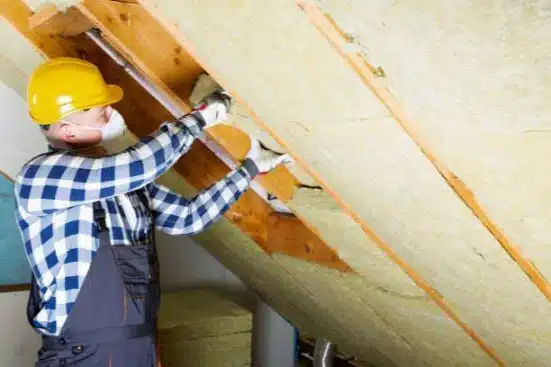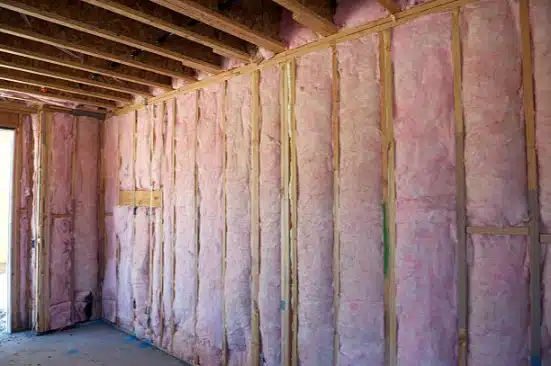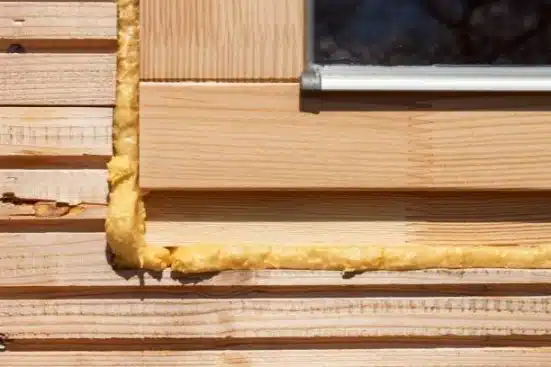
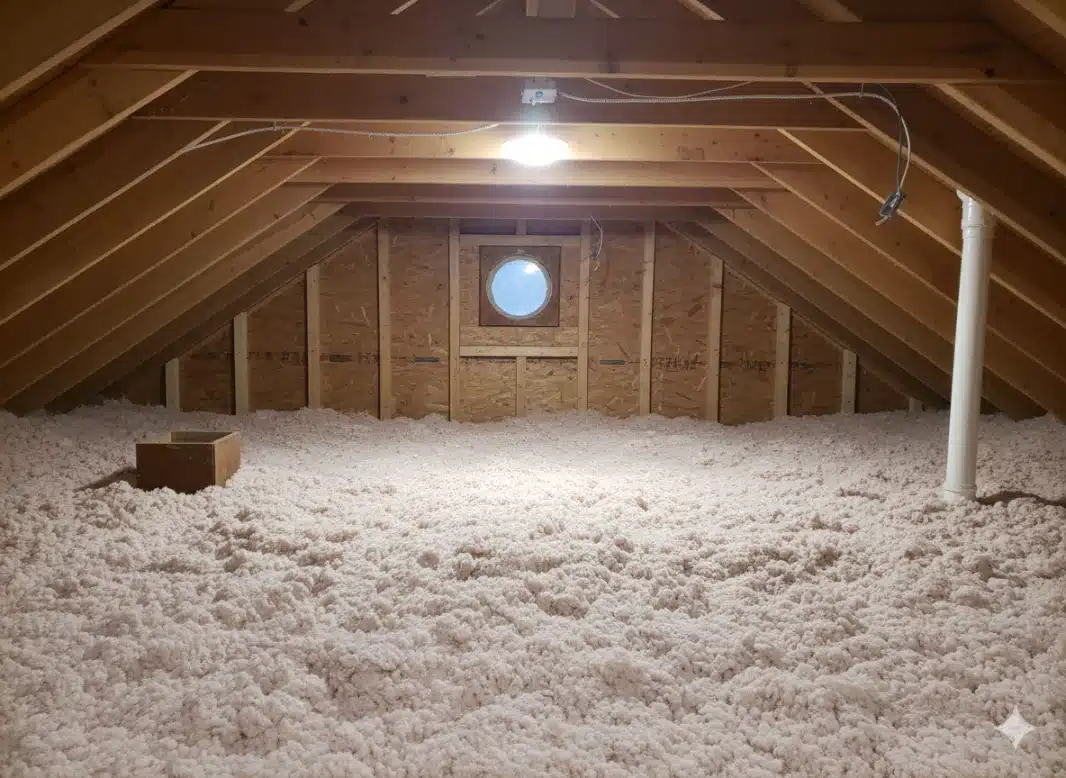
Choosing blown-in insulation provides far more than just quick energy savings; it delivers a suite of lasting advantages that impact everything from monthly budgets to property value and indoor air quality. The seven primary long-term benefits include substantial energy efficiency, consistent indoor comfort, prolonged HVAC equipment lifespan, superior noise reduction, enhanced fire safety, enhanced resistance to pests and moisture, and measurable increases in home resale value. These cumulative effects solidify blown-in insulation, whether cellulose or fiberglass, as a sound financial and structural investment.
Homeowners need reliable, long-lasting solutions for thermal regulation, especially in areas facing varied seasonal temperature demands. The experts at All Foam & Insulation, LLC understand this requirement. Evaluating the actual value means looking beyond the initial installation cost and focusing on how the material performs over the long term.
Immediate and Lasting Financial Savings
The most commonly recognized benefit, and often the primary motivation for installation, is the drastic reduction in heating and cooling expenses. This insulation method excels at creating a dense thermal envelope, reducing air leakage and minimizing heat transfer far better than older batt insulation that may have settled or been improperly installed.
Maximize Utility Bill Reduction
When installed correctly to reach the proper R-value for the climate zone, blown-in material effectively locks conditioned air inside. This means the heating system in winter and the air conditioning in summer do not have to cycle as frequently. The U.S. Department of Energy, for instance, reports that homeowners can save an average of 15% on heating and cooling costs by air-sealing and insulating existing homes, underscoring the impact over time. The money saved on utilities quickly compounds into serious returns.
Bonus Tip: In colder climates, ensure attic insulation reaches the higher recommended R-values (R-49 to R-60) to prevent heat loss through the roof and reduce the risk of ice dam formation, which can cause significant water damage.
Prolonging HVAC System Life
When HVAC equipment runs less often and with less strain, it naturally lasts longer. Insulation that requires the heating and cooling system to run constantly acts like an accelerator for equipment wear and tear. By maintaining stable indoor temperatures, blown-in insulation extends the operational life of expensive furnaces, heat pumps, and air conditioners, delaying replacement costs by several years.
Increasing Home Resale Value
Energy efficiency is a significant selling point in today’s housing market. When it is time to sell, documentation showing that the home meets current energy efficiency standards, often indicated by updated insulation, is highly attractive to potential buyers. Appraisers frequently recognize high-quality insulation improvements, directly contributing to a higher valuation of the property.
Enhancing Structural Longevity and Comfort
Beyond cost savings, blown-in insulation offers tangible improvements to the structure itself and the daily comfort level of those living inside. These factors often go unnoticed until a problem arises, but proper insulation prevents many common issues.
Achieving Consistent Indoor Comfort
Blown-in material fills every void, gap, and irregular space within wall cavities and attic floors. This comprehensive coverage eliminates hot or cold spots that often occur near exterior walls or in upper floors due to inadequate older insulation. The result is a uniformly comfortable indoor temperature throughout the entire structure, regardless of external conditions.
Managing Moisture and Condensation
Insulation is critical for controlling moisture, thereby preventing issues such as wood rot, mold growth, and structural integrity decline. By keeping surface temperatures inside the wall cavities above the dew point, a well-insulated envelope prevents condensation from forming. Certain materials, like treated cellulose, also resist mold and inhibit moisture absorption, safeguarding the building materials they surround.
Bonus Tip: Proper attic ventilation must always accompany insulation. Insulation controls temperature transfer, but ventilation moves humid air out. Always check that the soffit and ridge vents are clear after installation.
Safety and Sound Performance
Two less obvious, yet highly valuable, long-term benefits relate to safety and quality of life: fire resistance and sound dampening.
Superior Fire Resistance
Different insulation types offer varied fire resistance. Cellulose insulation is treated with borate, a naturally occurring mineral fire retardant. This treatment allows cellulose to resist ignition and slow the spread of fire, providing occupants with critical extra time to evacuate, in accordance with standards set by organizations such as the International Residential Code. Fiberglass insulation is inherently non-combustible.
Effective Noise Reduction
Due to its density and air-sealing properties, blown-in insulation is remarkably effective at reducing airborne noise transmission. When dense-packed into wall cavities, it significantly muffles external traffic sounds, airplane noise, and noisy neighbors. This feature is particularly valuable in multi-family buildings or homes located near busy streets.
To illustrate the differences in performance characteristics, consider how common insulation types compare across key metrics:
| Insulation Type | Typical R-Value Per Inch | Fire Resistance | Sound Dampening Capability |
|---|---|---|---|
| Loose-Fill Fiberglass | 2.2 – 2.9 | Non-Combustible | Moderate |
| Blown-In Cellulose | 3.2 – 3.8 | Treated (Fire Retardant) | High |
| Fiberglass Batts (Old) | 3.0 – 4.0 | Non-Combustible | Low (Often Gaps) |
Things to Consider Before Making a Decision
To fully realize the seven long-term benefits discussed above, you must address several key prerequisites before installation. Evaluate these factors to ensure the best outcome for your property, starting with an assessment of the structure’s suitability for retrofit applications.
- Current R-Value: Determine the existing insulation level. If an existing attic has settled fiberglass that provides R-15, bringing it up to R-49 or R-60 requires calculating the required depth of new material.
- Air Sealing: Insulation works best when air leaks are addressed first. Leaky ducts, utility penetrations, and gaps around plumbing need sealing before blowing in material to prevent air from bypassing the thermal barrier.
- Moisture Issues: Any existing leaks or moisture problems must be fixed completely. Blown-in insulation, while moisture-resistant, is not a fix for a leaking roof or foundation.
- Material Selection: Choose between cellulose (high density, good fire rating, better sound control) and fiberglass (non-combustible, lighter weight) based on your priorities and budget. A comprehensive analysis by the EPA’s ENERGY STAR program emphasizes matching the insulation type and R-value to your specific region and home style.
Maximizing Your Investment
Deciding to install blown-in insulation is an investment that pays dividends for decades. To maximize your returns, remember that the material’s success hinges on two key factors: proper air sealing and selecting the right material to achieve the recommended R-value for your climate zone. When installed correctly, the long-term effects, covering cost reduction, comfort, and structural protection, contribute significantly to the overall durability of the building.
Connect with All Foam & Insulation, LLC
For property owners seeking detailed assessments and tailored insulation strategies, securing expert advice is the next step. Understanding the appropriate R-value for your region and confirming the necessary air-sealing measures ensures the material performs optimally. You can reach the experts at All Foam & Insulation, LLC by calling (541) 826-9600 or by emailing [email protected] to discuss specific project needs and professional installation requirements.
What to Know About Blown-In Insulation
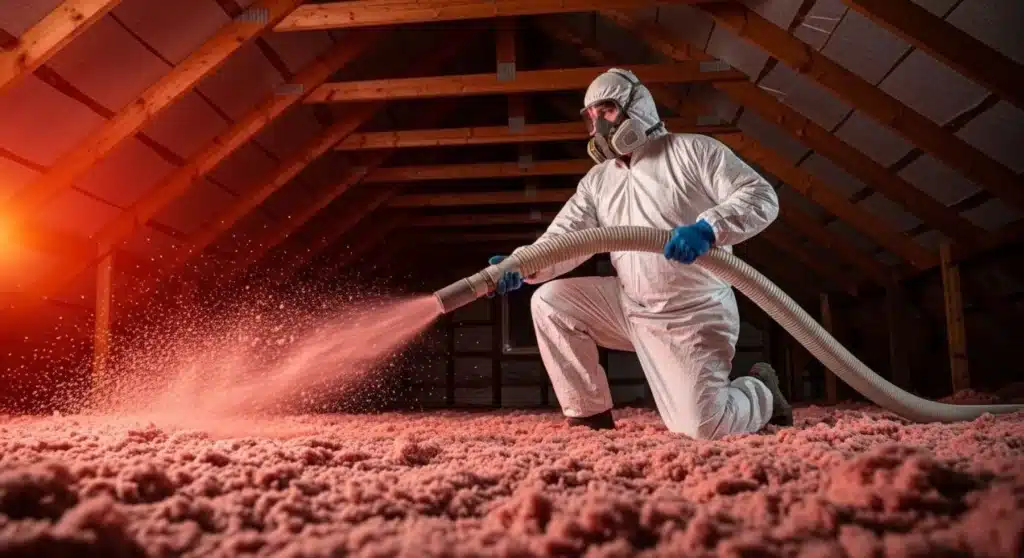
Blown-in insulation offers reliable performance primarily because it uses pneumatic equipment to completely fill spaces. Unlike batts, which must be cut around obstructions and often leave voids, blown-in material blankets the area or dense-packs the cavity. This comprehensive coverage eliminates thermal bridging, which is where heat easily escapes through poorly insulated sections, such as ceiling joists or studs.
Addressing Your Insulation Questions
Homeowners often have specific questions regarding the long-term maintenance and impact of this type of insulation.
How long does blown-in insulation last?
Most modern blown-in insulation materials are designed to last the life of the structure. Unlike older materials that degrade rapidly, high-quality cellulose and fiberglass resist decomposition, settling, or mildewing when installed in a dry, well-sealed environment. The R-value typically remains consistent for decades.
Does it attract pests or rodents?
High-quality cellulose is treated with borates, which deter insects and rodents. Fiberglass is inorganic and offers no food source. While no insulation completely blocks pests if there are structural entry points, well-installed blown-in material does not encourage habitation.
Can blown-in insulation be added over existing insulation?
Yes, adding new blown-in material on top of existing, dry insulation is a common and effective practice. This procedure, often called “capping,” is an economical way to upgrade the R-value without the mess and expense of removing the old layer, provided the old layer is not wet or contaminated.
Is the installation process disruptive to the home?
Installation typically causes minimal disruption. The work often involves running large hoses into the attic or exterior walls, and the material is blown in from a truck-mounted machine outside the house. Installation for an average attic can often be completed in a single day.
Sources
- U.S. Department of Energy (DOE) – Provides data on average energy savings achieved through residential insulation and air sealing improvements.
- International Residential Code (IRC) – Reference for building safety standards, including requirements for fire resistance in building materials like treated cellulose insulation.
- ENERGY STAR (EPA) – Source for residential insulation best practices, R-value recommendations, and material selection guidance.