Spray foam insulation solutions directly improve indoor air quality by creating an airtight seal that prevents outdoor pollutants, allergens, and moisture from entering your home. Unlike traditional insulation materials, spray foam expands to fill every gap and crack, effectively blocking air infiltration while simultaneously controlling humidity levels that can lead to mold growth. This comprehensive air barrier system reduces the circulation of dust, pollen, and other airborne particles, resulting in cleaner indoor air that’s easier to breathe.
This article breaks down exactly how spray foam insulation works to protect your home’s air quality, the science behind its effectiveness, and what homeowners need to know before making this investment in their health and comfort. With over two decades of hands-on experience in insulation installation across various climate zones, All Foam & Insulation, LLC provides practical insights that go beyond textbook explanations.
How Spray Foam Creates an Air Barrier System
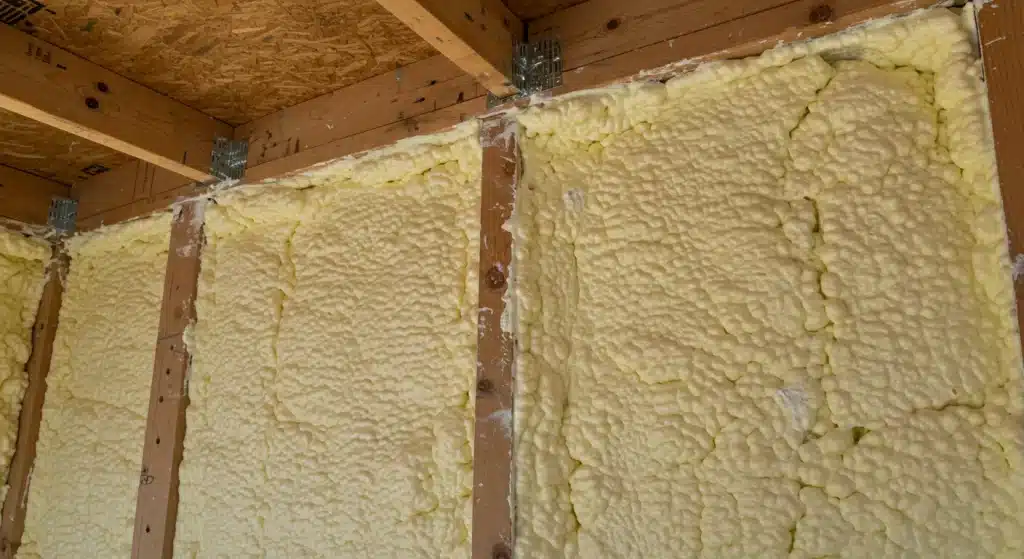
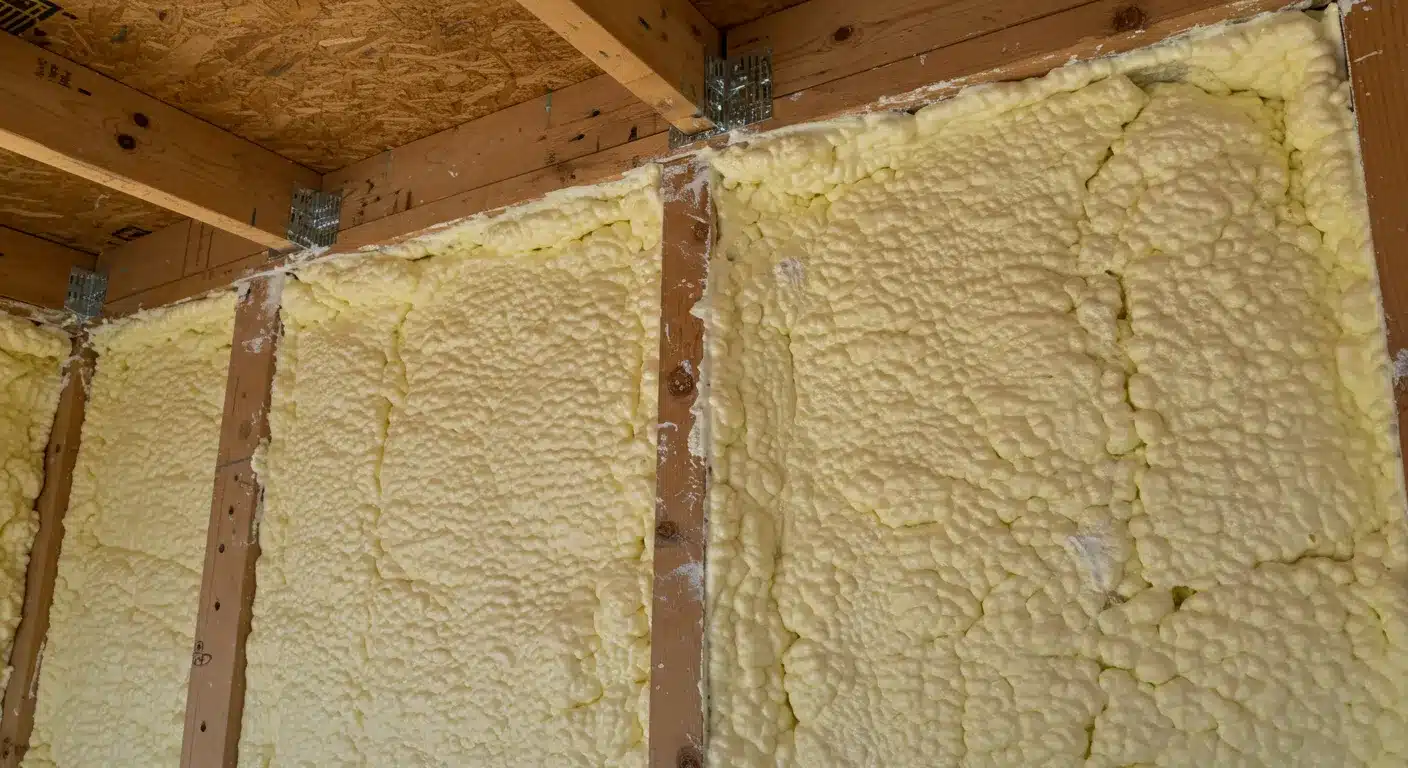
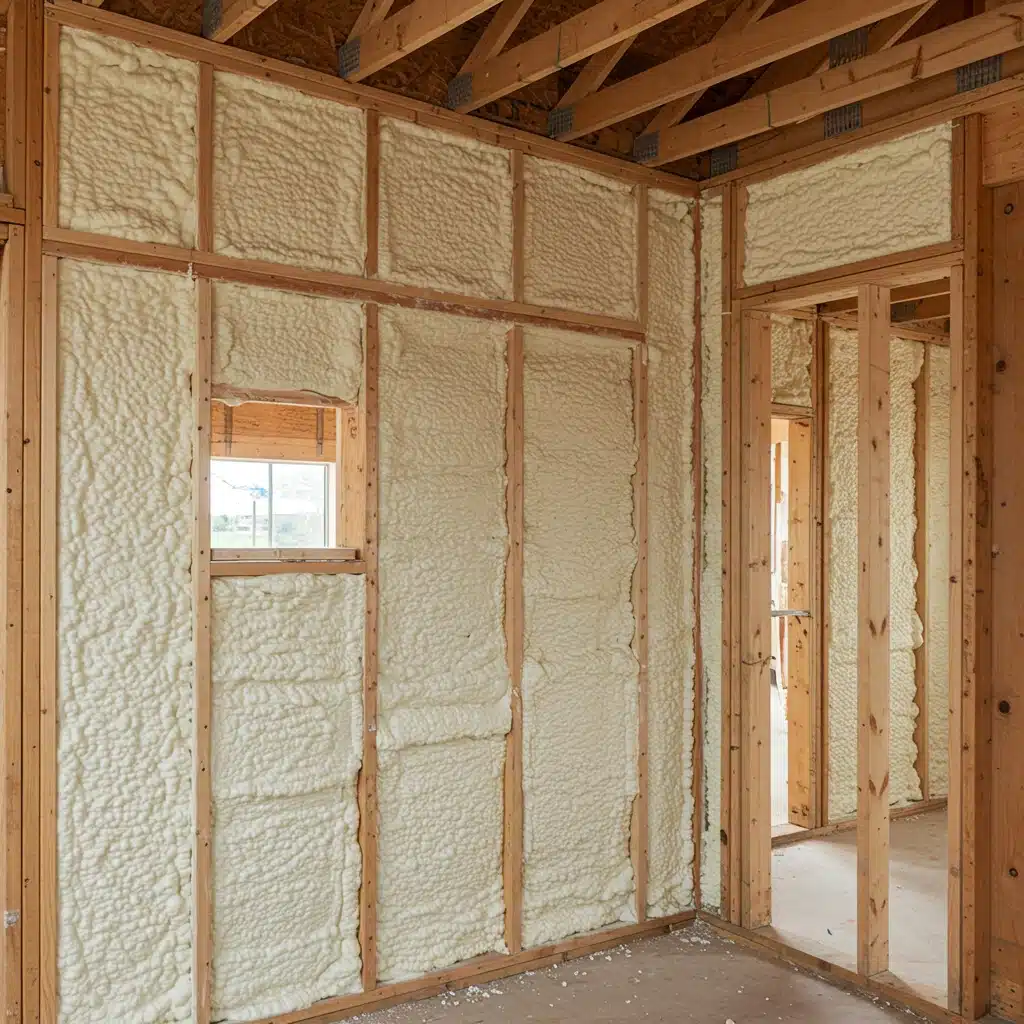
Spray foam insulation works through a chemical reaction that transforms liquid components into an expanding solid. When applied, the foam mixture expands up to 100 times its original volume, filling cavities, sealing gaps, and creating a continuous air barrier. This expansion property allows it to reach areas where traditional insulation materials like fiberglass or cellulose simply cannot go.
The two main types of spray foam insulation serve different purposes for air quality:
Closed-cell spray foam has a closed-cell insulation structure that makes it impermeable to air and moisture. With an R-value of approximately R-6.5 per inch, it provides superior insulation while acting as a vapor barrier. This dual function is particularly valuable in humid climates where moisture control directly impacts air quality.
Open-cell spray foam has a more flexible, open-cell structure that allows some moisture vapor to pass through while still blocking air movement. With an R-value of about R-3.5 per inch, it’s less expensive and ideal for interior applications where some breathability is beneficial.
The Direct Connection Between Air Sealing and Air Quality
The relationship between air sealing and indoor air quality is straightforward but often misunderstood. Most homes have numerous hidden air leaks that allow contaminated outdoor air to enter constantly. According to research from the Environmental Protection Agency, typical homes lose up to 40% of their heating and cooling energy through air leakage in the building envelope.
These air leaks don’t just waste energy, they’re highways for pollutants. Every time your HVAC system kicks on, it can pull dust, pollen, vehicle exhaust, pesticides, and industrial pollutants directly into your living space. Spray foam insulation eliminates these pathways, creating what building scientists call a “controlled environment” where air exchanges happen through mechanical ventilation systems designed to filter and condition incoming air.
Bonus Tip: The most critical areas for air sealing in most homes are the band joists (where the foundation meets the first floor framing), rim joists, and any plumbing or electrical penetrations through walls and ceilings. These spots account for over 50% of total air leakage in the average house.
Moisture Control and Its Impact on Air Quality
Moisture control is perhaps the most overlooked aspect of indoor air quality, yet it’s fundamentally connected to insulation performance. When warm, moist air encounters cold surfaces, condensation occurs, creating perfect conditions for mold growth. Mold doesn’t just damage building materials, it releases spores and mycotoxins that can trigger asthma, allergies, and other respiratory issues.
Spray foam insulation addresses this problem in two ways:
- Temperature control: By preventing warm air from reaching cold surfaces, it eliminates the condensation cycle that leads to mold growth.
- Vapor barrier: Closed-cell spray foam stops moisture vapor diffusion through walls, keeping interior humidity levels stable.
A study published by the Building Science Corporation found that homes with proper air sealing and moisture control had 60-70% fewer indoor mold spores than comparable homes with conventional insulation.
Insulation Type Comparison for Air Quality Benefits
| Insulation Type | Air Sealing Ability | Moisture Control | Air Quality Impact |
|---|---|---|---|
| Closed-cell Spray Foam | Excellent – forms a complete air barrier | Excellent – vapor barrier | Highest – prevents most pollutant entry |
| Open-cell Spray Foam | Very Good – seals gaps but not vapor impermeable | Good – slows moisture movement | High – blocks air pollutants effectively |
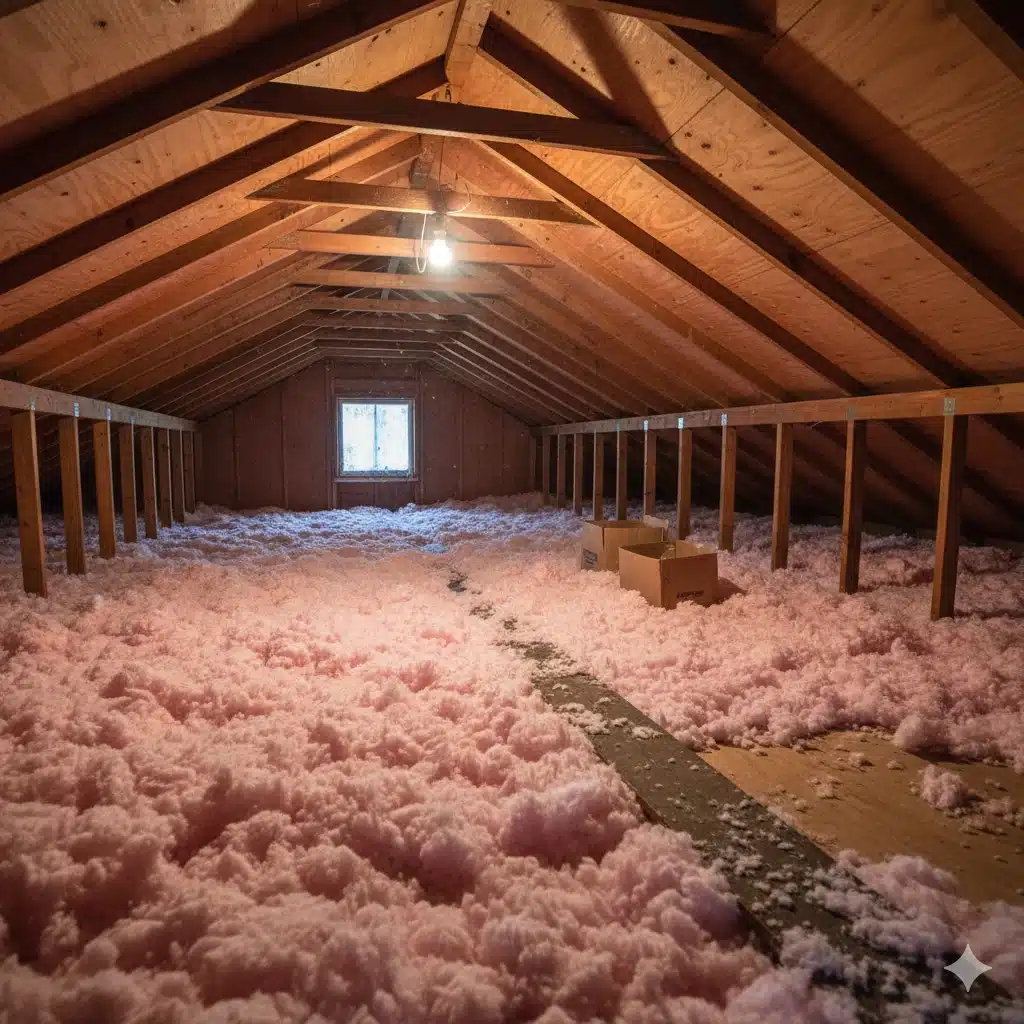
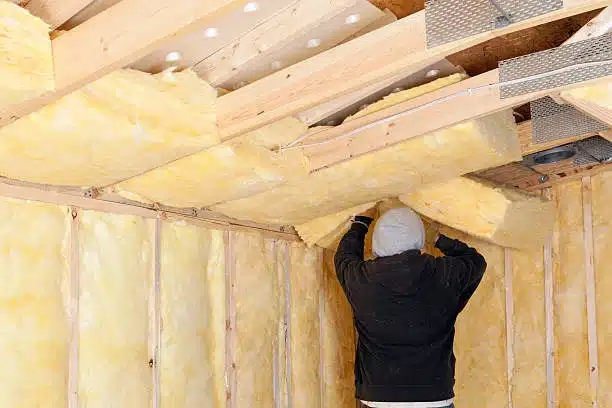
| Fiberglass Batts | Poor – allows air flow through gaps | Poor – no moisture barrier | Low – allows pollutants to circulate freely |
| Cellulose | Fair – dense but still allows air movement | Fair – absorbs moisture | Medium – some pollutant reduction |
| Rigid Foam Board | Fair to Good – seams can leak | Good to Excellent (varies by type) | Medium – depends on installation quality |
Things to Consider Before Making a Decision
Before installing spray foam insulation, several factors need careful evaluation to ensure optimal air quality results:
Climate suitability plays a significant role in choosing between open-cell and closed-cell foam. In mixed or humid climates like the Pacific Northwest, closed-cell foam’s moisture barrier properties provide superior protection against condensation and mold issues. In dry climates, open-cell might be sufficient and more cost-effective.
Ventilation requirements increase significantly after air sealing. A home that was previously “leaky” relied on random air changes for fresh air. Once spray foam eliminates these natural exchanges, mechanical ventilation becomes essential. Most modern building codes require systems like heat recovery ventilators (HRVs) or energy recovery ventilators (ERVs) in tightly sealed homes to maintain healthy indoor air quality.
Installation quality cannot be overstated. Proper application requires specialized equipment and trained technicians. Incorrect mixing ratios, inadequate surface preparation, or improper thickness can all compromise the air barrier and potentially introduce harmful chemicals into your home if not allowed to cure properly.
Bonus Tip: Always request a written warranty that covers not just material defects but also installation quality. The best contractors stand behind their work with comprehensive coverage that protects you from air leakage issues down the road.
Key Takeaways for Your Decision
Spray foam insulation offers substantial indoor air quality improvements by creating a comprehensive air barrier that blocks pollutants, controls moisture, and prevents mold growth. The decision to invest in spray foam should be based on your home’s specific needs, climate considerations, and willingness to implement proper ventilation systems to complement the tight building envelope.
For homeowners evaluating their options, start with a professional energy audit to identify specific air leakage points and moisture issues in your home. This diagnostic approach helps determine whether spray foam insulation addresses your air quality concerns and provides the best return on investment for your situation.
Get Professional Guidance
The success of spray foam insulation for improving indoor air quality depends heavily on proper product selection, installation quality, and integration with your home’s ventilation system. The experienced professionals at All Foam & Insulation, LLC can evaluate your specific needs, recommend appropriate solutions, and ensure installation meets industry standards for both performance and air quality.
Contact the insulation specialists at [email protected] or call (541) 826-9600 to schedule a comprehensive assessment of your home’s air quality challenges and insulation needs.
Frequently Asked Questions
How long does spray foam insulation last?
When properly installed, spray foam insulation can last the lifetime of the building. Unlike fiberglass that can settle or degrade over time, spray foam maintains its structure and sealing properties for decades without replacement.
Can spray foam be installed in an existing home?
Yes, spray foam can be installed in existing homes through various access points. For walls, small holes can be drilled between studs and foam injected. Attics, crawl spaces, and rim joists are common retrofit locations with significant air quality benefits.
Does spray foam insulation affect home resale value?
Homes with spray foam insulation often command higher resale prices due to documented energy savings and improved indoor air quality. Real estate professionals increasingly recognize these features as valuable upgrades.
What maintenance does spray foam insulation require?
Spray foam insulation requires virtually no maintenance once properly installed. Unlike other systems that may need periodic checks or replacement, it simply continues performing its air sealing and insulation functions without attention.
Is spray foam insulation environmentally friendly?
While the manufacturing process has some environmental impact, the long-term energy savings of spray foam insulation significantly reduce a home’s carbon footprint. Many manufacturers now use renewable content and have reduced global warming potential in their formulations.
Sources
- Environmental Protection Agency – Government agency providing scientific information about indoor air quality and ventilation requirements
- Building Science Corporation – Research organization conducting independent studies on building performance, insulation, and moisture management