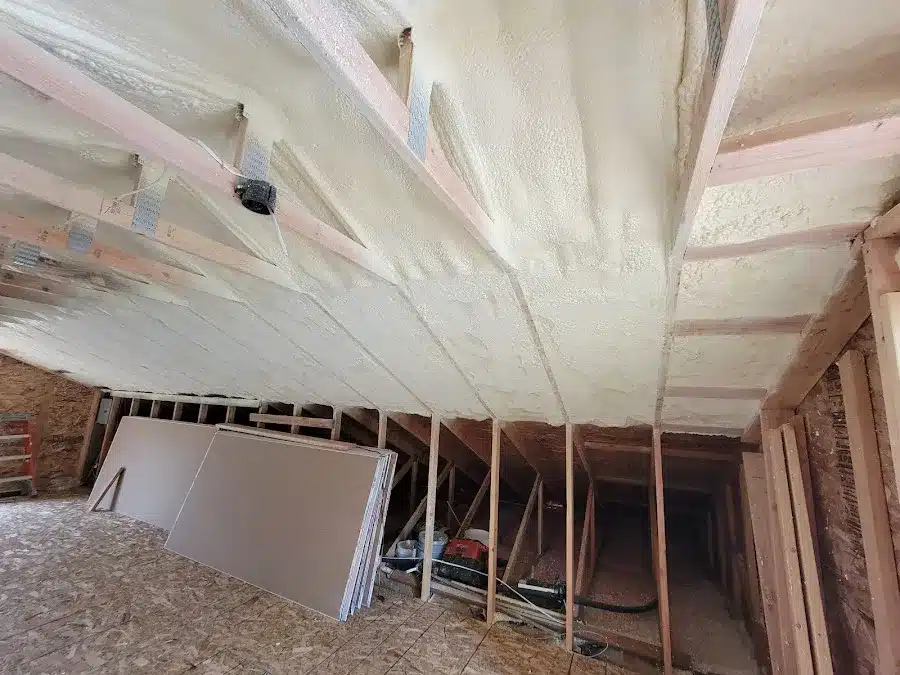
Finding the right professional for closed-cell spray foam insulation requires verifying specific technical credentials and asking detailed questions about their installation methods. Homeowners must prioritize contractors who manufacturer-train their crews and carry full insurance coverage. This approach ensures the foam expands correctly, adheres properly, and delivers the promised energy efficiency without causing moisture issues or structural damage.
This guide provides the specific questions a homeowner needs to ask to filter out inexperienced installers from true professionals. The information comes from years of field experience handling complex insulation projects and observing the long-term performance of different application techniques. Making the right choice in 2026 means looking beyond the price tag and focusing on the technical competence of the crew.
The State of Spray Foam in 2026
The insulation industry has shifted significantly toward high-performance materials. Market data indicates that the global spray polyurethane foam market continues to expand as building codes become stricter regarding energy efficiency. A report from Grand View Research shows that demand for these materials is driven by a need for superior thermal resistance in both residential and commercial construction.
With this growth comes an influx of new contractors. Not all possess the specialized skills needed for closed-cell foam. This material is not just an insulation product. It acts as a vapor barrier and an air sealant. If installed incorrectly, it can lead to expensive remediation costs. Homeowners must perform due diligence to ensure they hire a contractor who understands the science behind the product.
Essential Questions to Ask a Potential Contractor
Asking the right questions reveals the contractor’s depth of knowledge. The answers provided should be specific, technical, and confident. Vague responses often indicate a lack of experience.
Are You Certified by the Foam Manufacturer?
Manufacturer certification is the single most important indicator of competence. Manufacturers like BASF, Demilec, or Honeywell offer training programs that teach applicators how to handle the chemicals, adjust the temperature, and achieve the correct thickness. A contractor who is not certified by the brand they spray is taking a risk with your home.
What is Your Experience with Closed-Cell Foam?
Open-cell and closed-cell foams require different equipment and techniques. Closed-cell foam expands at a different rate and creates much higher pressure. A contractor who mostly installs open-cell foam may not have the right setup or expertise for a closed-cell project. Ask specifically about the number of closed-cell projects they have completed in the last year.
Can You Provide a Detailed WMI?
Always ask for a WMI (Warranty and Material Information) sheet. This document outlines the scope of work, the specific materials used, and the thickness of the applied foam. It serves as the guarantee that the work will meet specific performance standards. If a contractor hesitates to provide this in writing, it is a red flag.
How Do You Manage Safety During Installation?
Spray foam chemicals contain isocyanates, which require strict safety protocols. Proper ventilation and personal protective equipment (PPE) are non-negotiable. The Spray Polyurethane Foam Alliance emphasizes that re-entry times must be strictly followed to ensure the health of the occupants. A professional contractor will explain their ventilation plan and safety measures clearly.
Bonus Tip: Visit a job site in progress if possible. Seeing a crew in action reveals their organization and cleanliness better than any reference call.
Technical Specifications to Understand
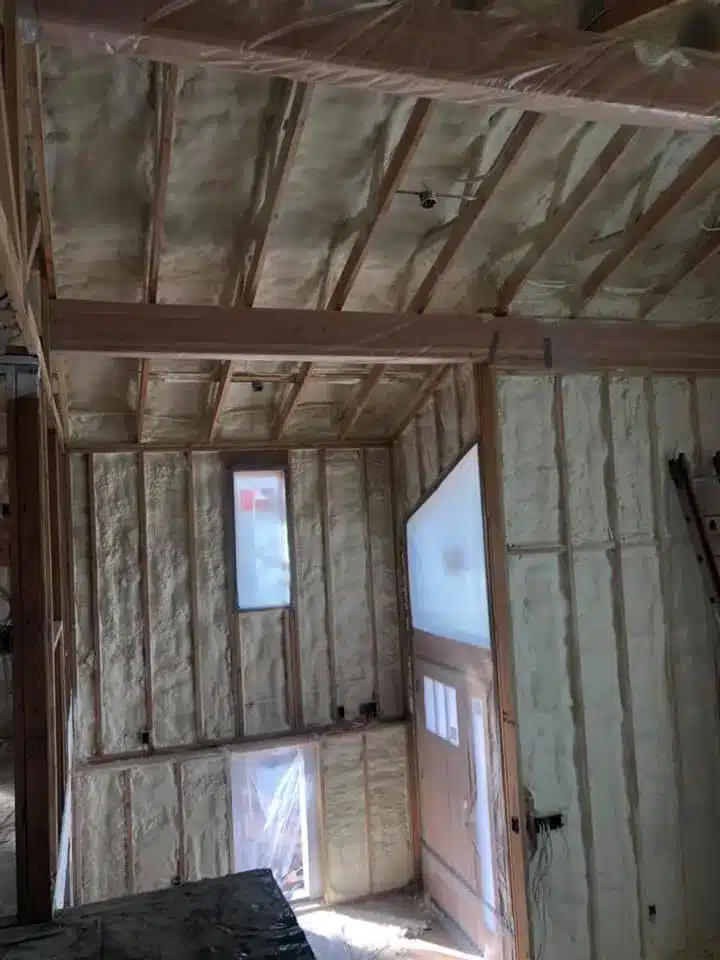
Understanding the technical aspects helps homeowners evaluate the bids they receive. Closed-cell foam has a high R-value, typically around R-6 to R-7 per inch. This means it provides greater thermal resistance in less space than fiberglass or open-cell foam.
Regional Climate Considerations
For homeowners in the Pacific Northwest or similar climates, moisture management is critical. Closed-cell foam is an excellent choice for these areas because it does not absorb water and acts as a vapor barrier. However, it must be applied with the correct thickness to prevent condensation within the wall cavity. In 2026, building codes are increasingly focused on avoiding thermal bridging, and closed-cell foam is a primary solution for this issue.
The Importance of Yield
Yield refers to the amount of foam produced from a set of chemical drums. Some contractors try to stretch their yield by adding water or adjusting pressure incorrectly. This results in foam that is less dense and less effective. Homeowners should ask how the contractor verifies yield. A trustworthy professional will calculate the board feet needed for the project and ensure the chemical usage matches that calculation.
Contractor Vetting Checklist
Use this table to track the answers provided during the consultation process.
| Evaluation Criterion | Ideal Response | Red Flag |
|---|---|---|
| Manufacturer Certification | Yes, current certification for the specific brand is sprayed. | No, or “we are certified in general.” |
| Insurance Coverage | General liability and workers’ comp proof are provided readily. | Hesitates to show certificates or insurance that has expired. |
| Equipment Ownership | Owns and maintains their own rig. | Rents equipment or uses a sub-contractor for the work. |
| Ventilation Plan | Specific plan for air movement and re-entry times. | “We just open the windows.” |
| References | Provides local names and photos of recent work. | Only offers generic online reviews. |
Bonus Tip: Ask to see a cross-section of their cured foam from a previous job. The cell structure should be uniform and small. Large, irregular cells indicate a bad mix or poor application technique.
Things to Consider Before Making a Decision
The decision process extends beyond the initial conversation. Homeowners need to assess the entire proposal and the contractor’s behavior.
Compare Apples to Apples
Review multiple bids carefully. Ensure every contractor is quoting the same thickness of foam. If one bid quotes R-21 in the walls and another quotes R-30, the prices are not comparable. Thicker foam costs more but performs better. The U.S. Department of Energy recommends specific R-values for different climate zones. Verify the proposed insulation level meets or exceeds these recommendations for your area.
Review the Contract Thoroughly
The contract should detail the cleanup process. Spray foam overspray can ruin windows, siding, and roofing. The contract must state that the contractor protects all surfaces not being sprayed and removes all debris after the job. It should also specify the timeline for the project.
Check for Subcontracting
Many general contractors hire insulation subs. It is better to work directly with the insulation specialist. This ensures the company spraying the foam is the one standing behind the warranty. If a general contractor is managing the project, verify exactly who will be handling the gun and applying the foam.
Bonus Tip: Ask the contractor to explain the payback period. They should be able to estimate how much money will be saved on energy bills annually based on the proposed upgrade.
Frequently Asked Questions
How long does the installation take?
Most residential projects take one to two days. The actual spraying happens quickly, but preparation and masking take time. The crew must protect every surface before the guns turn on.
Can I spray foam over old insulation?
In most cases, old insulation should be removed. Spraying foam over dirty or wet insulation traps problems and reduces effectiveness. A clean cavity allows the foam to adhere directly to the studs and sheathing.
What happens if the foam gets on my skin?
Fresh chemicals can cause severe irritation and burns. Contractors wear full suits for this reason. Homeowners should stay out of the work area until the contractor confirms it is safe to re-enter.
Does closed-cell foam attract pests?
No. Unlike fiberglass, which rodents sometimes use for nesting, closed-cell foam is not a food source. Its rigid structure makes it difficult for pests to tunnel through.
Will I need to rewire my house first?
Electrical wiring should be complete before insulation. Closed-cell foam encapsulates wires. While it is safe to spray over standard wiring, future upgrades would be difficult. Plan the electrical work accordingly.
Final Thoughts
Hiring a contractor for closed-cell spray foam is a significant decision that affects a home’s comfort and value for decades. Focus on verifying manufacturer certifications, checking references, and understanding the technical scope of the work. The lowest bid often results in the highest cost over time due to poor performance or remediation needs. A qualified contractor will welcome these questions and provide the documentation needed to prove their expertise.
Take the time to review the contract details, compare R-values, and ensure the ventilation plan is solid. By asking the right questions now, homeowners ensure a durable, energy-efficient result that stands the test of time.
Ready to Start Your Project
If you are planning a new build or retrofitting an existing home, professional guidance ensures the job is done right. Contact All Foam & Insulation, LLC at [email protected] or call (541) 826-9600 to discuss specific insulation solutions. A qualified team can provide a detailed assessment and a plan that maximizes energy efficiency for the property.
Sources
- U.S. Department of Energy – Official government resource providing R-value recommendations and insulation best practices for homeowners.
- Spray Polyurethane Foam Alliance – A national organization offering technical data, safety guidelines, and professional standards for spray foam contractors.