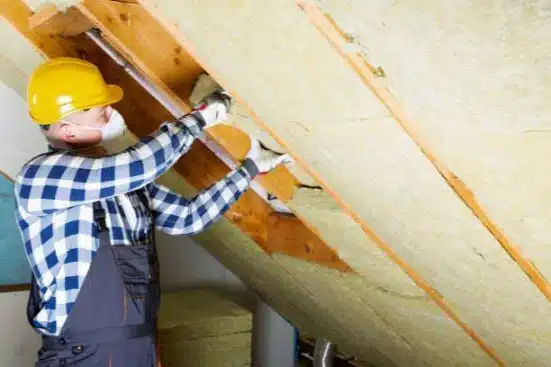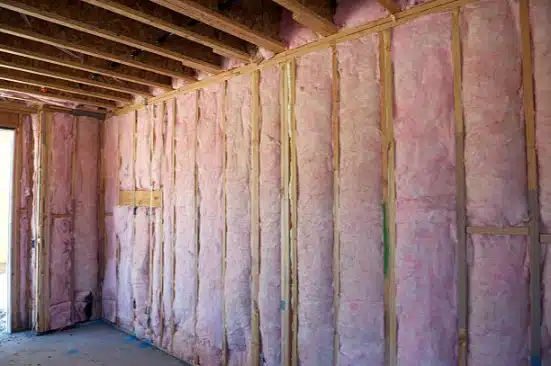
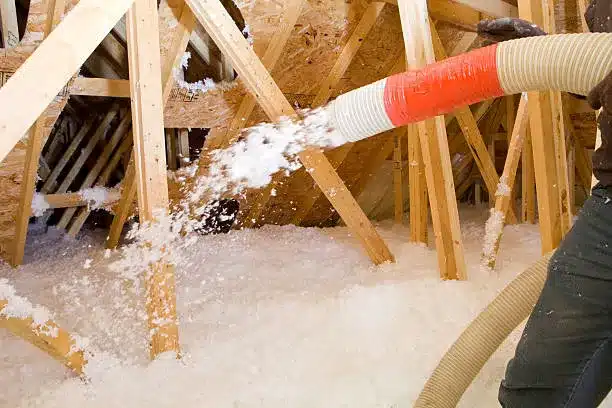
For property owners in Roseburg seeking sustainable insulation solutions, blown-in insulation stands out as the most effective and eco-friendly option. Recycled denim provides another viable green alternative, though it often comes at a higher price point. Both materials offer excellent thermal performance and significantly reduce environmental impact compared to traditional fiberglass options. This guide examines the specific materials that work best in the Roseburg climate, how they perform, and what property owners need to know before installation.
Roseburg presents a unique climate challenge with its wet winters and dry, warm summers. Sustainable insulation must handle moisture effectively while maintaining high R-values to keep heating costs down during the damp months. All Foam & Insulation, LLC has observed that properly installed cellulose manages these seasonal shifts particularly well, offering superior air sealing that fiberglass batts rarely achieve.
Top Sustainable Material Choices
Selecting the right material starts with understanding what makes insulation “eco-friendly.” The primary factors include recycled content, embodied energy (energy used to manufacture the product), and indoor air quality impact.
Blown-In Cellulose
Cellulose is the heavyweight champion of green insulation services in Roseburg, OR. It consists of roughly 80% to 85% recycled newsprint, making it one of the most recycled-content building products on the market. Manufacturers treat the paper fibers with borate compounds. This treatment serves three purposes: fire resistance, pest deterrence, and mold prevention.
Cellulose fibers are denser than other insulation types. This density allows it to restrict air movement better than lightweight fiberglass. In older Roseburg homes with uneven framing or lots of voids, cellulose fills gaps completely, creating a seamless thermal blanket.
Recycled Denim
Recycled denim insulation solution in Roseburg, OR comes from post-industrial denim scraps, mostly the waste left over from making blue jeans. Manufacturers shred the fabric and treat it with a borate solution similar to cellulose. This material offers a soft, non-irritating texture that makes installation pleasant for crews and safer for homeowners doing attic work later.
While denim performs well, it generally costs more per square foot than cellulose. It also carries a slightly lower R-value per inch, meaning you need more depth to achieve the same thermal resistance.
Regional Performance and Climate Factors
Roseburg sits in Climate Zone 4C, a marine zone. This means the region experiences mild but wet winters. Insulation here must resist moisture absorption. If insulation gets wet and stays wet, it loses R-value and can grow mold.
Cellulose handles moisture surprisingly well. The borate treatment inhibits mold growth even if the material gets damp. However, cellulose retains moisture longer than fiberglass. Proper attic ventilation is absolutely critical in the Roseburg area to ensure any moisture that enters the attic space can escape. All Foam & Insulation, LLC often finds that adding soffit vents or ridge vents is a necessary step when upgrading insulation in local homes.
Material Comparison Table
The table below compares the most common eco-friendly blown-in options against standard fiberglass to highlight performance differences.
| Feature | Blown-In Cellulose | Blown-In Denim | Blown-In Fiberglass |
|---|---|---|---|
| Primary Material | Recycled Paper | Recycled Cotton | Recycled Glass/Sand |
| Recycled Content | 80-85% | 80-90% | 30-50% |
| R-Value per Inch | ~3.2 to 3.8 | ~3.2 to 3.5 | ~2.2 to 2.7 |
| Air Sealing Ability | High (stops drafts) | Moderate to High | Low (air passes through) |
| Moisture Resistance | Absorbs then releases | Absorbs slowly | Does not absorb (resists) |
| Fire Resistance | Excellent (Class 1) | Excellent (Class 1) | Good (Glass won’t burn) |
| Cost | Moderate | High | Low to Moderate |
Market Trends and Value
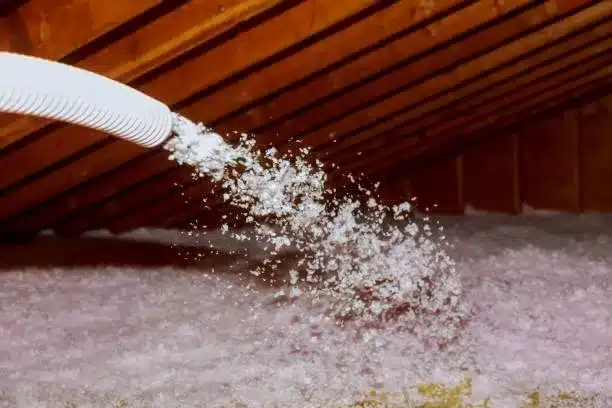
The demand for green building materials continues to rise as homeowners become more energy-conscious. According to data from Grand View Research, the global green insulation market is expanding rapidly. Stricter building codes and a desire for energy efficiency drive this growth. Homeowners investing in these materials often see a return on investment through lower utility bills. The U.S. Department of Energy states that heating and cooling account for nearly half of a typical home’s energy use. Upgrading insulation is one of the fastest ways to reduce that expense.
Things to Consider Before Making a Decision
Moving forward with an insulation project requires evaluating several practical factors beyond just the material type.
Existing Insulation Condition Check what is currently in the attic or walls. If there is old, damp, or vermiculite insulation (which may contain asbestos), it must be removed before adding new material. Adding fresh cellulose on top of dirty, ineffective fiberglass often creates a “compressed sandwich,” reducing overall efficiency.
Accessibility of Installation Areas Blown-in insulation requires a hose. For attics, this is usually straightforward. For walls, contractors must drill holes through the exterior siding or interior drywall. Stucco or brick exteriors increase the complexity and cost of wall insulation projects.
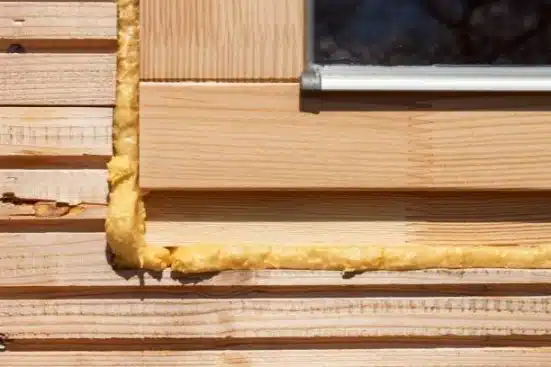
Bonus Tip: Air Sealing First Insulation slows heat transfer, but it does not stop air flow. Before blowing in insulation, seal all gaps around light cans, plumbing stacks, and chimney chases with spray foam or caulk. This step prevents conditioned air from leaking through the insulation, thereby maximizing the R-value. ENERGY STAR provides comprehensive guides to identify these critical leak points before insulation to ensure maximum energy savings.
Bonus Tip: Baffles are Essential When insulating an attic, install rafter baffles (also called ventilation chutes) before adding material. These cardboard or plastic styrene channels keep the insulation away from the roof sheathing. In Roseburg, this ensures the airflow from the soffit vents isn’t blocked, preventing ice dams and keeping the roof deck dry.
Frequently Asked Questions
Does blown-in insulation settle over time?
Yes, all loose-fill insulation settles slightly. Cellulose settles about 15-20% over time. Installers account for this by installing a thicker layer initially to ensure the settled depth meets the target R-value. This settling does not significantly reduce performance if the correct depth was installed at the start.
Is cellulose insulation safe for my family?
Yes. The borates used for fire and pest resistance are common in many household products. They are low-toxicity minerals. Unlike some fiberglass, cellulose does not contain formaldehyde or irritate the skin and lungs during routine attic maintenance.
How long does eco-friendly blown-in insulation last?
Cellulose insulation can last for the lifetime of the building. It does not degrade or lose its insulating properties over time unless it gets wet and stays wet. In a well-ventilated attic, it performs effectively for decades.
Can I install blown-in insulation myself?
While DIY rental machines are available at hardware stores, professional installation is recommended. Professionals have high-capacity equipment that can dens-pack the material for a better R-value. They also know how to navigate rooflines, light fixtures, and ventilation chutes without blocking airflow or creating fire hazards.
Will this help with soundproofing?
Yes. Blown-in cellulose is excellent at reducing sound transmission. The fibers’ density effectively absorbs sound energy. Many homeowners notice a significant reduction in outside noise after upgrading their attic insulation.
Final Thoughts
Choosing the proper insulation improves comfort and lowers energy bills. For Roseburg properties, cellulose offers the best balance of cost, performance, and sustainability. Denim is a premium alternative for those prioritizing indoor air quality and soft texture. Proper installation and air sealing are just as important as the material choice. Evaluating the specific needs of the property, including current ventilation and structural accessibility, ensures the best results. All Foam & Insulation, LLC recommends starting with a professional energy audit to identify the most significant leaks and prioritize the most effective upgrades.
Professional Assessment and Installation
Getting a professional evaluation is the best way to determine a property’s specific needs. Experts can calculate the correct R-value for the Roseburg climate and identify potential moisture issues. Contact All Foam & Insulation, LLC to schedule an inspection or discuss insulation options. Reach out via email at [email protected] or call (541) 826-9600 to get started on a more sustainable and comfortable home.
Sources
- U.S. Department of Energy – Official government resource providing information on home energy efficiency, insulation R-values, and heating and cooling costs.
- ENERGY STAR provides comprehensive guides on identifying these critical leak points before insulating to ensure maximum energy savings.