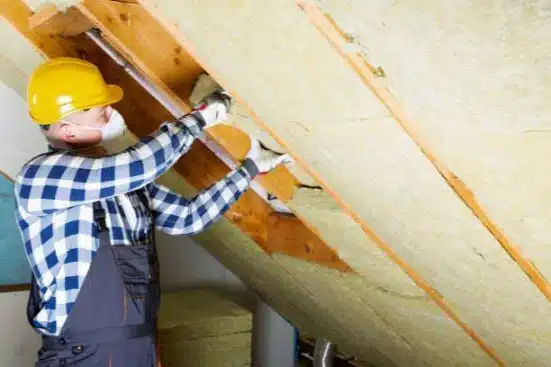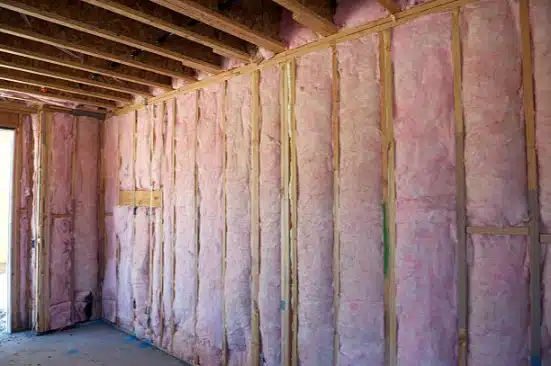
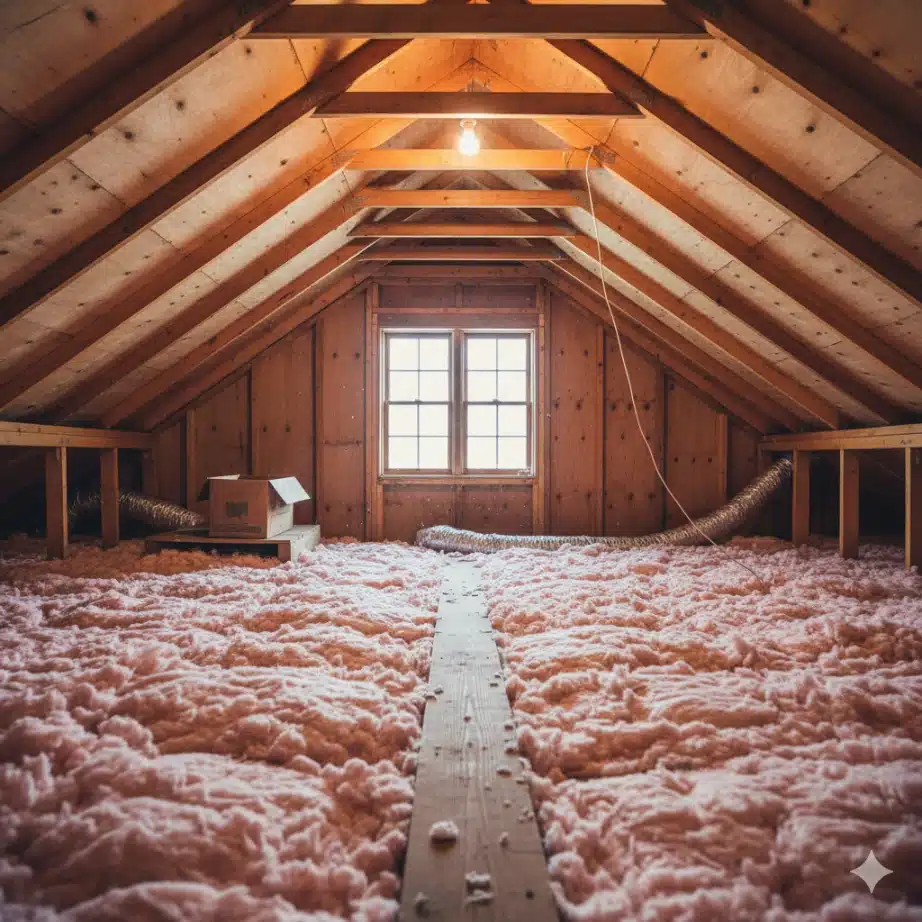
Blown-in insulation solution directly combats high moisture levels common in Springfield, Oregon, by stabilizing the thermal barrier and preventing internal surface condensation. The humid local climate often forces warm, moisture-laden interior air to meet cold surfaces, causing water vapor to condense. High-quality blown-in material, such as dense-pack cellulose or fiberglass, keeps the interior walls and ceilings consistently above the dew point, preventing condensation before it can form. This proactive thermal stability is the single most effective way insulation contributes to keeping a property dry and structurally sound.
Understanding the mechanics of moisture movement in buildings is essential for homeowners and property managers in the Willamette Valley. Because effective insulation is the primary defense against condensation, this detailed guide outlines practical steps property owners can take, focusing on how different insulation types perform in environments challenged by moisture and temperature swings.
Why Springfield’s Climate Demands Moisture Control
Springfield experiences prolonged periods of cool, wet weather, particularly during the winter and shoulder seasons. When outdoor temperatures drop, the difference in temperature between the interior and exterior of a building shell increases dramatically. This pressure differential pulls warm, moist air towards colder areas. Without sufficient insulation, exterior walls and ceilings become chilled, creating cold spots inside the property.
These cold spots act like condensation magnets. Think of a cold drink glass in summer: its surface chills the air around it, causing condensation to form. The same principle applies to cold drywall or sheathing in a building. Over time, this recurring condensation wets building materials, leading to rapid mold and mildew growth, musty odors, and eventual structural decay. According to the Environmental Protection Agency (EPA), controlling indoor moisture is key to limiting mold growth, and proper insulation is a primary tool for achieving this.
The Technical Role of Insulation in Preventing Condensation
Blown-in insulation in Springfield, OR works through thermal resistance (R-value). The higher the R-value, the slower heat moves through the material. In moisture management, this translates directly to surface temperature control. When insulation is correctly installed, it raises the interior temperature of the wall or ceiling cavity.
The Critical Dew Point Principle
Moisture condensation occurs when the air temperature drops below the dew point. The dew point is the temperature at which air is saturated, and water vapor turns into liquid water. Effective insulation moves the dew point away from vulnerable interior surfaces (like drywall) deep into the wall assembly, ideally into the insulation material itself, where moisture is less likely to accumulate in damaging quantities or where the material itself can manage it (as in the case of cellulose). Dense packing also offers a secondary benefit by limiting air movement within the wall cavity, which further restricts the transport of moisture-laden air to cold zones.
Comparing Blown-In Materials for Humidity Management
Property owners often consider two main types of blown-in insulation: fiberglass and cellulose. While both offer high R-values, their material compositions affect how they handle accidental moisture contact or air movement.
| Feature | Blown-In Fiberglass | Dense-Pack Cellulose |
|---|---|---|
| Primary Composition | Recycled glass fibers | Recycled paper/plant fibers |
| Moisture Absorption | Very low (hydrophobic) | Moderate (hygroscopic, can absorb and release moisture slowly) |
| Mold Resistance | Does not support mold growth | Treated with boric acid for fire and mold resistance |
| Air Sealing Ability | Moderate (requires careful dense packing) | Superior when dense packed (higher density stops air movement better) |
| Cost (Relative) | Generally lower | Generally moderate |
For Springfield properties, the choice often depends on the application. Dense-pack cellulose, due to its superior air sealing when correctly applied, may be favored where reducing air movement is the primary goal, excelling at restricting humidity transfer. Studies reviewed by the National Research Council Canada (NRC) have emphasized that effective air barrier systems are often more critical for moisture control in cold climates than the R-value alone, making dense-packed materials very suitable.
Regional Standards and R-Value Requirements
While material composition determines moisture performance, insulation effectiveness is tied directly to R-value, a measure of thermal resistance. In Oregon, building codes specify minimum R-values based on climate zone. Springfield falls into a zone that typically requires R-49 or R-60 in attics and often R-21 in wall cavities. Simply adding a thin layer won’t solve moisture issues; the insulation must achieve the necessary thermal resistance to maintain internal surface warmth during the coldest, dampest days.
Experience shows that achieving the full prescribed R-value is non-negotiable for effective moisture control in this area. When walls are under-insulated, the entire structure is vulnerable to moisture damage, regardless of how sound the vapor barrier is.
Things to Consider Before Making a Decision
Choosing the proper insulation requires a careful assessment of the existing structure and potential moisture risks.
- Inspect Existing Ventilation: Insulation and ventilation work together. If a property has clogged soffit vents or poor attic airflow, adding insulation without addressing the ventilation system can trap moisture rather than resolving the issue. Proper attic ventilation allows any accumulated moisture vapor to escape before it condenses.
- Evaluate Air Leakage: Check for gaps around utility lines, plumbing stacks, and chimneys, including exterior penetrations such as electrical boxes and plumbing vents. These are high-risk areas for air infiltration. Air sealing these penetrations must happen before blown-in insulation is installed, because even the best insulation services in Springfield, OR cannot compensate for large air leaks. Treating the most significant leaks first often provides the most immediate reduction in humidity.
- Wall Cavity Condition: For existing walls, the insulation installer must confirm the state of the existing wall cavity. If old insulation has settled or is heavily water-damaged, removing the compromised material before blowing in new insulation is critical to prevent trapping existing moisture or decay.
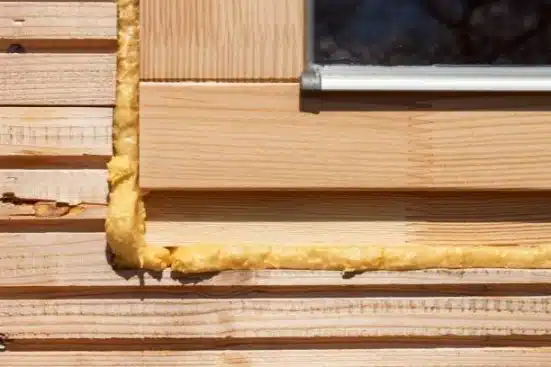
Bonus Tip: Consider hybrid solutions. Sometimes, a thin layer of closed-cell spray foam used to air-seal critical areas, followed by blown-in insulation for bulk thermal protection, provides the best combination of moisture and temperature control.
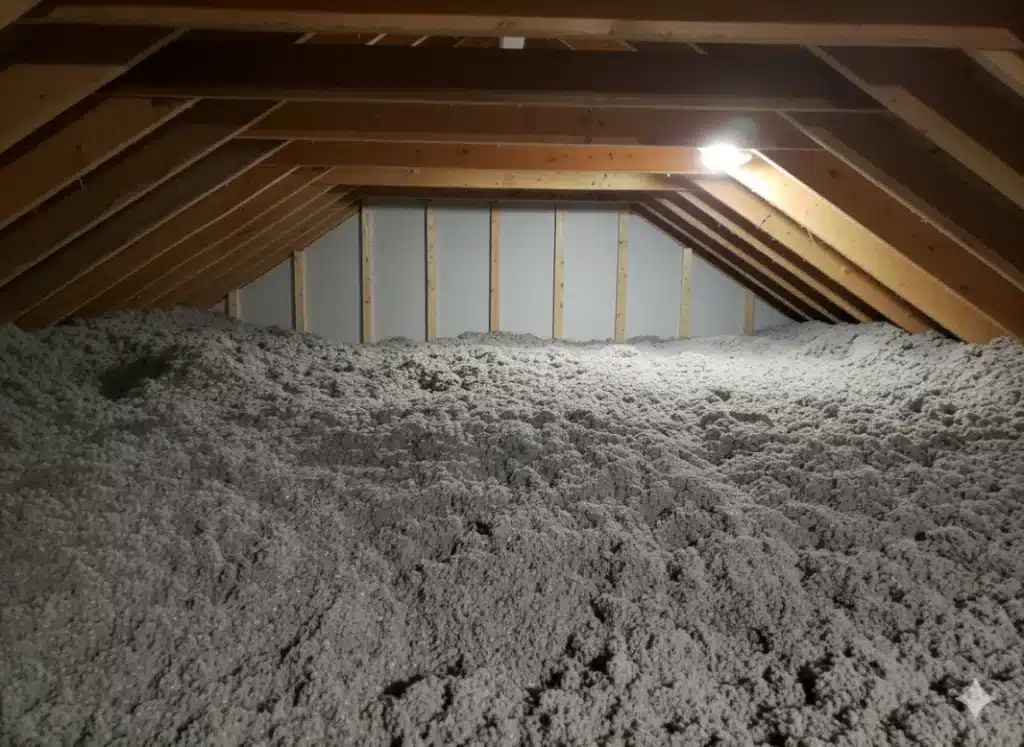
Secondary Benefits of Reduced Humidity
Proper insulation to manage humidity offers clear benefits beyond preventing condensation.
- Mildew and Allergen Reduction: By maintaining drier interior surfaces and lower ambient humidity, insulation significantly reduces the likelihood of mildew and dust mite growth, improving indoor air quality.
- Structural Integrity: Preventing chronic wetting of wood framing and sheathing slows down the process of rot and ensures the long-term structural durability of the Springfield property.
- Lower Dehumidification Costs: Reducing reliance on dehumidifiers lowers energy bills, and drier air requires less energy overall to heat or cool the space. Data from the US Department of Energy (DOE) confirms that effective insulation is a key component of reducing total home energy consumption by minimizing thermal transmission.
Evaluating the Best Solution for Your Property
Blown-in insulation offers a practical solution to the persistent humidity challenges faced by properties in Springfield, Oregon. It acts as a defense against condensation, helping preserve structural materials and improve indoor air quality. Success relies on selecting the proper density and R-value for the area and pairing the installation with robust air sealing and proper ventilation.
Property owners should prioritize a comprehensive assessment that evaluates the home’s specific thermal deficiencies and moisture pathways before proceeding with any insulation upgrade.
Connect with Building Science Experts
When evaluating a property’s moisture management needs, expert advice ensures the chosen solution addresses local climate conditions and specific structural issues. For detailed energy audits and information on blown-in options suitable for the Willamette Valley, property owners can reach out to All Foam & Insulation, LLC. Inquiries regarding installation or performance reviews can be directed to the team at [email protected] or by phone at (541) 826-9600.
Answers to Specific Moisture Concerns
Does Adding Blown-In Insulation Require a Vapor Barrier?
In older properties, vapor barriers can sometimes do more harm than good if they trap moisture. Blown-in insulation’s primary function is thermal control. In mixed, cold climates like Springfield, it is often better to ensure materials can breathe while relying on the bulk R-value and a dedicated exterior moisture barrier (weather wrap) to manage liquid water and vapor drive. Consult local building codes regarding the required placement of a vapor retarder.
How Do I Know If My Insulation Is Failing Due to Moisture?
Signs include staining or discoloration on ceilings and upper walls, persistent mold growth behind furniture, and higher-than-normal utility bills coupled with uncomfortable temperature swings. Physical inspection often reveals matted, compressed, or wet insulation materials in the attic or wall cavities. These conditions indicate severe failure.
Can Too Much Insulation Cause Mold?
No, but improper application can. If insulation blocks necessary airflow for ventilation (like covering soffit vents), it can create stagnant air pockets where humidity can concentrate. The issue is usually blocked ventilation, not the amount of insulation itself.
What is the Optimal R-Value for Attic Insulation in Springfield?
The optimal R-value typically ranges from R-49 to R-60, depending on the specific construction and depth requirements outlined by Oregon state energy standards.
Will Blown-In Insulation Help with Indoor Air Quality?
Yes, by stabilizing temperatures and preventing surface condensation, proper insulation reduces the conditions necessary for mold, mildew, and pest infestations. This secondary effect directly leads to cleaner, healthier indoor air.
Sources
- Environmental Protection Agency (EPA) – Information on the connection between indoor moisture control and limiting mold growth in residential environments.
- National Research Council Canada (NRC) – Research discussing the role of effective air barriers in managing moisture transfer in cold and mixed climates.
- US Department of Energy (DOE) – Data and information concerning the overall impact of proper building insulation on reducing thermal transmission and home energy consumption.