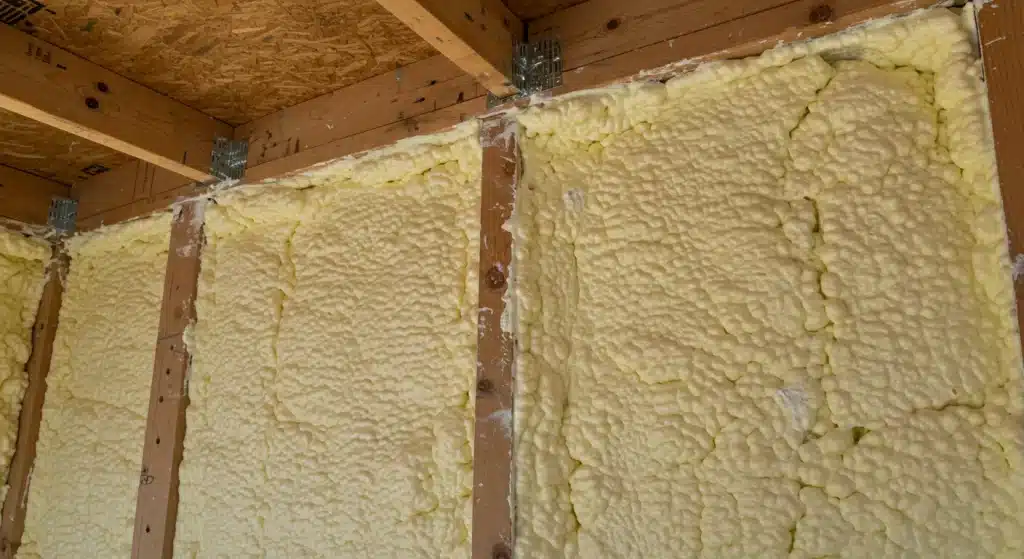
Blown-in insulation eliminates hot and cold spots by creating a continuous thermal barrier that fills gaps and voids where traditional insulation materials often miss. This comprehensive coverage prevents air infiltration and heat transfer, maintaining consistent temperatures throughout your home regardless of Klamath Falls’ extreme temperature swings between seasons. The material’s ability to conform to irregular spaces ensures no thermal bridges exist, which are common culprits behind uneven room temperatures.
For homeowners in Klamath Falls dealing with drafty corners and rooms that never seem to reach the right temperature, blown-in insulation offers a proven solution. The following information explains exactly how this insulation method addresses temperature inconsistencies specific to the high desert climate of Southern Oregon, based on extensive field experience with local homes and building conditions.
Understanding Hot and Cold Spots in Local Homes
Hot and cold spots develop when insulation fails to create a uniform thermal envelope across your home’s surfaces. In Klamath Falls, this problem becomes particularly noticeable during winter when temperatures can drop below 20°F and summer when they frequently exceed 90°F. These extreme outdoor conditions exploit any weakness in your insulation coverage.
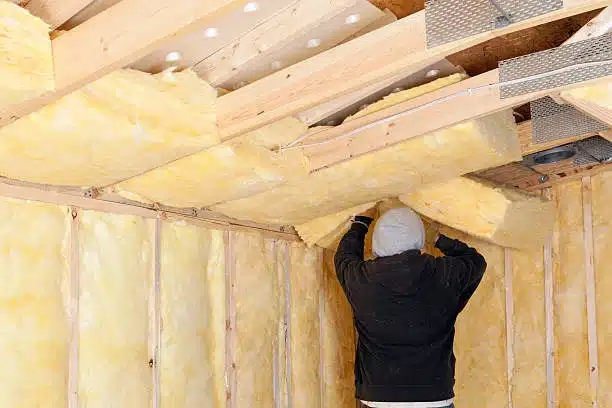
Most homes in the region were built with batt or roll insulation between wall studs and ceiling joists. While effective in theory, these materials leave gaps around electrical outlets, plumbing pipes, and framing members. Air flows through these openings, creating temperature variations that your heating and cooling system struggles to overcome. The problem worsens over time as insulation settles and loses its original R-value performance.
Why Blown-In Insulation Works Better
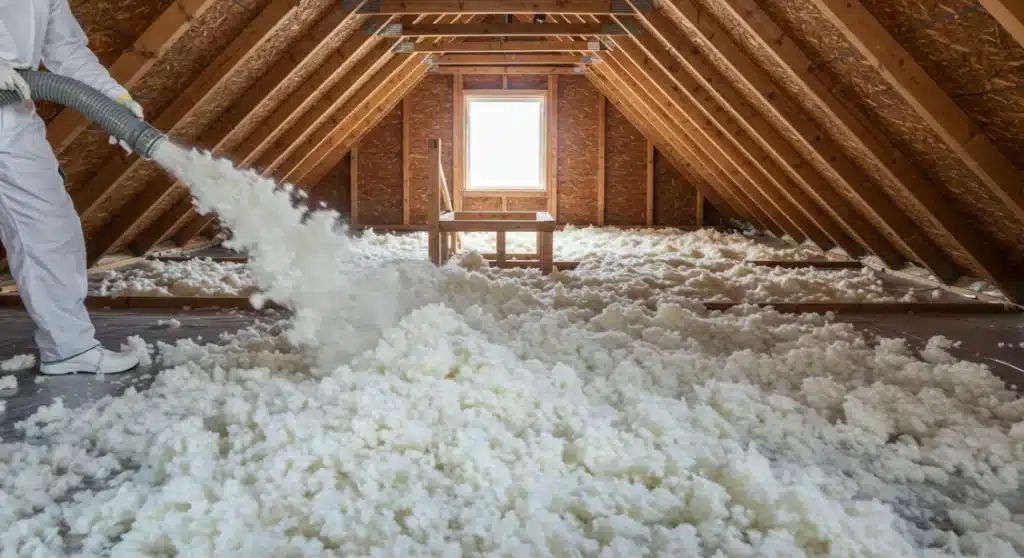
Blown-in insulation in Klamath Falls, OR, typically made from cellulose or fiberglass fibers, gets installed using specialized equipment that sprays the material into cavities under pressure. This application method allows the insulation to fill every opening and crevice, wrapping around obstacles that create thermal breaks in other insulation systems.
The material’s density and installation method create two key benefits for temperature consistency. First, it eliminates air movement within insulated assemblies, stopping convective heat loss. Second, it provides higher R-values per inch compared to many batt products, delivering better thermal resistance in the same space. According to the U.S. Department of Energy, proper insulation can reduce heating and cooling costs by 15-20% in existing homes.
For Klamath Falls residents, this means rooms facing south won’t overheat in summer while north-facing rooms remain cold in winter. The insulation equalizes temperatures across your entire home, allowing your HVAC system to maintain consistent comfort levels with shorter run times and less energy consumption.
Regional Climate Considerations
Klamath Falls presents unique challenges for home insulation due to its high elevation and semi-arid climate. The area experiences approximately 300 days of sunshine annually, but with significant temperature swings between day and night. Your insulation must handle both heating and cooling demands effectively.
Local building science shows that homes in this region benefit most from R-49 to R-60 insulation in attics and R-13 to R-21 in walls. Blown-in insulation can easily achieve these levels without major reconstruction work. The material’s performance remains stable across the temperature range typical of Klamath Falls, unlike some insulation materials that degrade when exposed to extreme cold or heat.
The dry climate also makes blown-in cellulose insulation particularly suitable, as the material receives borate treatment for fire resistance and pest control without concerns about moisture retention that might plague wetter regions.
Installation Process and Coverage
Proper installation requires specific equipment and techniques that ensure complete cavity filling without gaps or voids. The process typically begins with a thorough inspection of existing insulation and identification of problem areas. Installers then drill strategically placed access holes in walls or work from attic spaces to fill cavities completely.
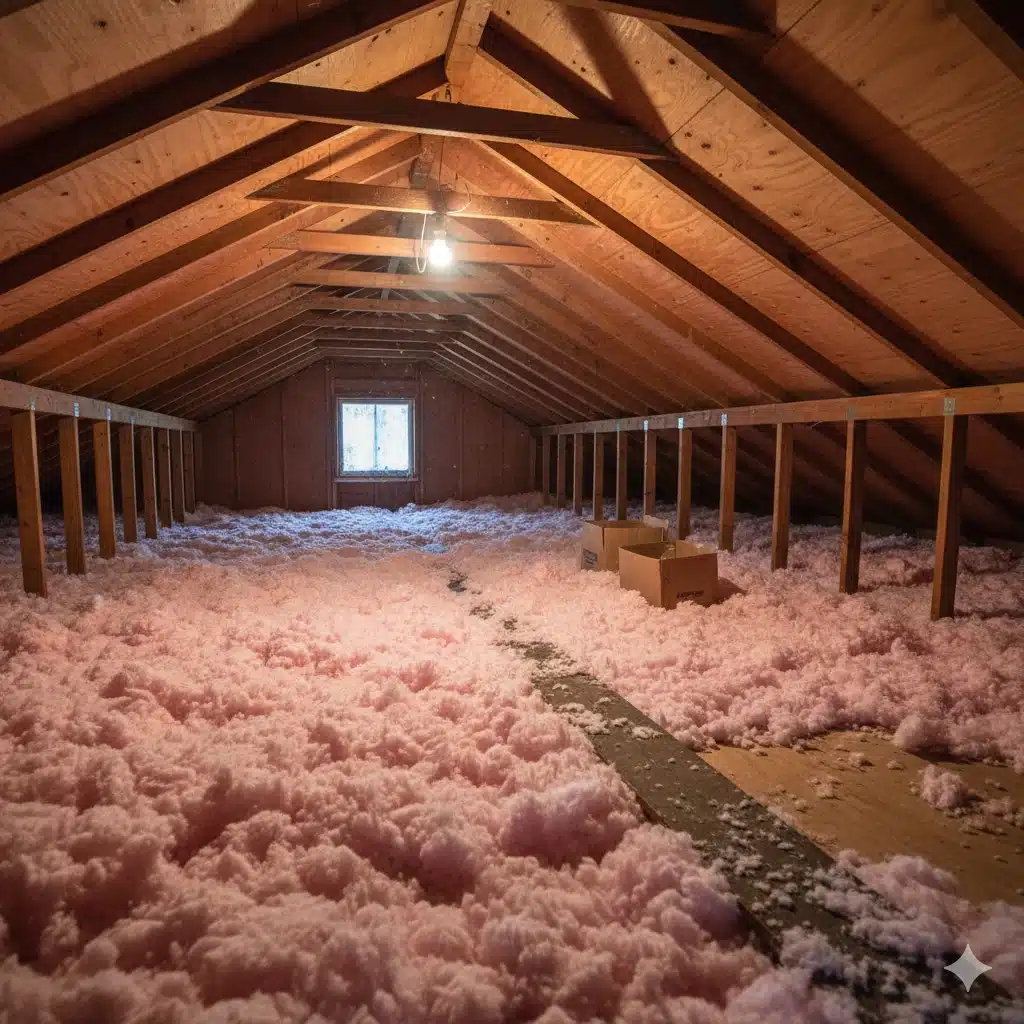
The material is blown at calculated densities that prevent settling while maintaining proper R-value performance. In attics, installers achieve uniform depth across the entire space, including hard-to-reach areas around rafters, vents, and framing members. For walls, the insulation fills stud bays from top to bottom, wrapping around electrical boxes and plumbing penetrations.
This comprehensive approach eliminates the thermal bridges that create hot and cold spots. Unlike batt insulation that can be compressed around obstacles or installed with gaps, blown-in material maintains consistent coverage regardless of cavity shape or obstructions.
Performance Comparison Table
| Insulation Type | Typical R-Value Per Inch | Air Sealing Ability | Settlement Rate | Coverage Consistency |
|---|---|---|---|---|
| Blown-in Cellulose | 3.2-3.8 | Excellent | Minimal | Uniform |
| Blown-in Fiberglass | 2.2-2.7 | Good | Moderate | Mostly uniform |
| Fiberglass Batts | 3.1-3.4 | Poor | None | Variable |
| Foam Board | 3.6-6.5 | Fair | None | Varies by installation |
Things to Consider Before Making a Decision
Before installing blown-in insulation, assess your home’s current condition and identify specific problem areas. Start by documenting which rooms feel uncomfortable during different seasons and times of day. This information helps determine insulation priorities and expected improvements.
Consider the condition of your existing insulation. If it’s damaged, moisture-compromised, or inadequately installed, removal might be necessary before adding new material. However, in many cases, blown-in insulation can be installed directly over existing materials, reducing project complexity and cost.
Evaluate accessibility to insulation areas. According to the Environmental Protection Agency, attics with adequate headroom and wall cavities that can be accessed from the exterior or interior make installation more straightforward. Homes with finished interiors might require more invasive access methods but can still benefit significantly from insulation upgrades.
Bonus Tip: Before installation, seal all air leaks with caulk or spray foam, especially around windows, doors, and penetrations. This addresses the shell first, allowing insulation to perform at its rated efficiency.
Bonus Tip: Check for ductwork located in unconditioned spaces like attics or crawl spaces. Insulating these ducts along with the surrounding space provides compound benefits for temperature consistency throughout your home.
Next Steps for Your Home
Blown-in insulation offers a practical solution for eliminating hot and cold spots while improving your home’s overall energy efficiency. The material’s ability to fill gaps and voids creates the thermal consistency that many Klamath Falls homes lack, particularly those built with older insulation methods or materials that have deteriorated over time.
If certain rooms in your home never feel comfortable despite thermostat adjustments, insulation likely plays a significant role. The high desert climate of Klamath Falls demands effective thermal barriers that perform well in both extreme cold and heat. Blown-in insulation meets these requirements while addressing the specific construction challenges common in local housing.
Consider scheduling a professional energy audit to identify exactly where your home loses heat and gains it inappropriately. This assessment provides concrete data about problem areas and helps prioritize insulation improvements for the greatest comfort and efficiency gains.
Get Your Insulation Questions Answered
For specific questions about blown-in insulation applications in Klamath Falls homes, contact All Foam & Insulation, LLC. The team can evaluate your current insulation situation and provide detailed recommendations for eliminating hot and cold spots throughout your home. Call (541) 826-9600 or email [email protected] to discuss your comfort concerns and schedule a consultation. Professional assessment helps identify the most cost-effective insulation solutions for your specific home configuration and comfort needs.
Frequently Asked Questions
How long does blown-in insulation last?
When properly installed, blown-in insulation maintains its effectiveness for 20-30 years or more. Cellulose insulation resists settling due to its dense installation process, while fiberglass may settle slightly but still provides good thermal performance. Factors affecting longevity include moisture exposure, pest activity, and physical disturbance.
Will installation damage my home’s interior?
Installation can be minimally invasive when performed by experienced technicians. Wall installations typically require small access holes that are easily patched and painted. Attic work usually doesn’t affect living spaces. The overall disruption is significantly less than major renovation projects while delivering substantial comfort improvements.
How quickly will temperature problems improve?
Many homeowners notice temperature improvements immediately after installation, as air movement through building assemblies stops. However, the full benefits become apparent over several days as the home stabilizes with its improved thermal envelope. Heating and cooling cycles become shorter and less frequent as consistent temperatures are maintained.
Is blown-in insulation environmentally friendly?
Cellulose insulation typically contains 75-85% recycled paper content, making it one of the most environmentally friendly insulation options available. The manufacturing process requires less energy than producing many alternative materials. Some products also incorporate additional recycled content in their fire-retardant treatments.
How does blown-in insulation compare cost-wise to other options?
Blown-in insulation generally costs less per R-value than spray foam while providing better coverage than batt insulation in many applications. The overall investment depends on your home’s size, accessibility, and required depth of insulation. Energy savings typically provide a payback period of 3-7 years, making it a sound financial investment.
Sources
- U.S. Department of Energy – Official government resource providing insulation recommendations and energy savings data
- Environmental Protection Agency – ENERGY STAR program offering insulation guidelines and thermal performance standards