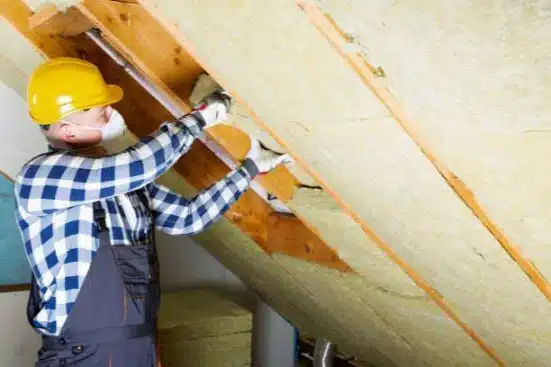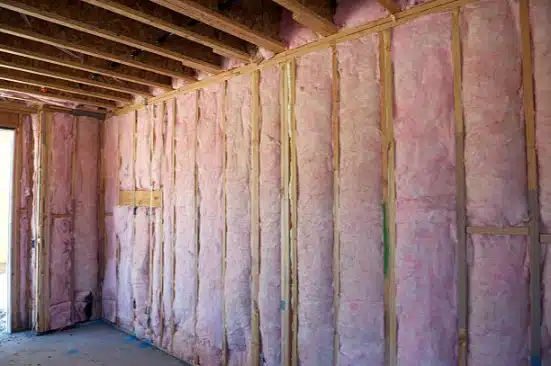
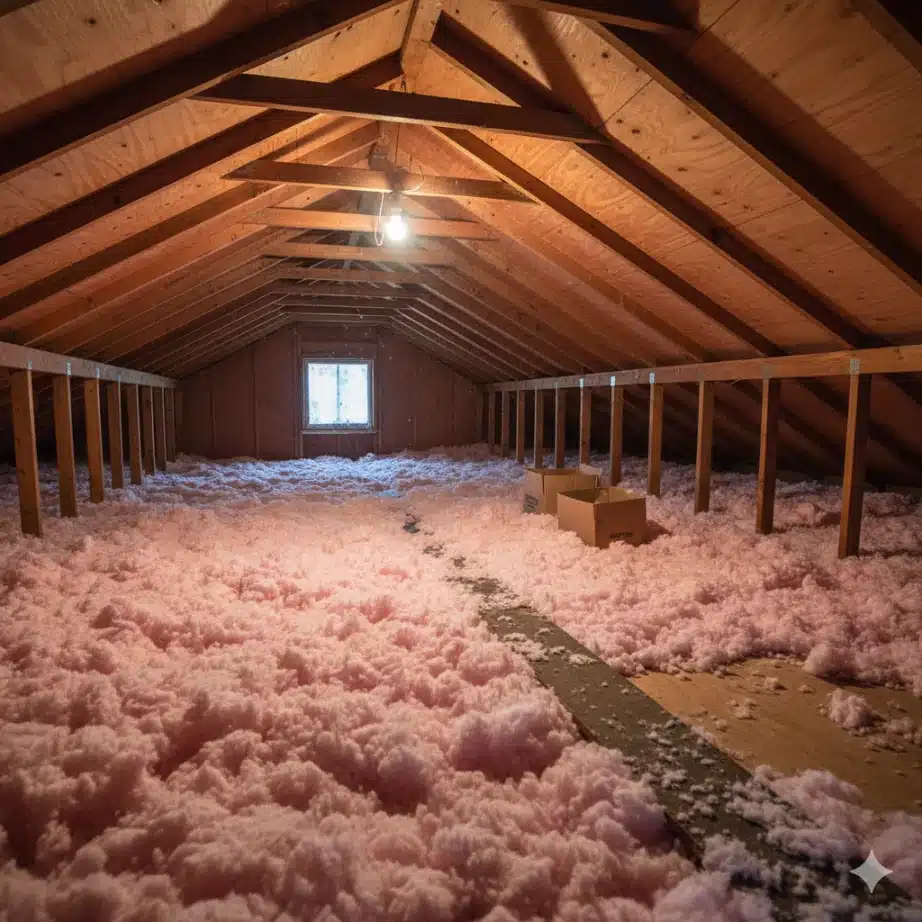
Blown-in insulation installation is one of the most effective ways to improve home energy efficiency and typically requires a straightforward, single-day process. Homeowners should anticipate a crew arriving with specialized machinery and extended hoses to deliver loose-fill material, such as fiberglass or cellulose, directly into the attic. The goal is to establish a uniform, high-density blanket of insulation that significantly increases the thermal resistance (R-value) of the attic floor, immediately reducing heat transfer.
A successful installation relies heavily on thorough preparation and careful execution, not just the blowing process itself. Before the insulation material is added, technicians dedicate significant time to air sealing and preparing the attic area. This preparation distinguishes an adequate job from a truly high-performing thermal barrier. This guide outlines the precise steps, materials, and long-term results expected from a professional blown-in insulation project.
The Essential Pre-Installation Steps
Before any material is blown, the attic space must be prepared meticulously. Ignoring this step limits the effectiveness of even the best insulation. Insulation slows heat transfer, but it does not stop air from moving. Air leaks, often called air bypasses, allow conditioned air to escape into the attic.
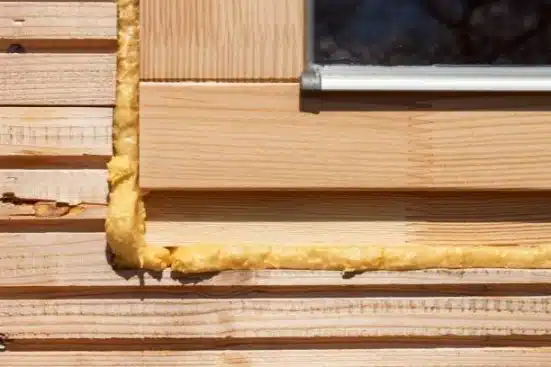
The initial phase involves identifying and sealing these leaks. Technicians often spend time locating areas where electrical wiring, plumbing stacks, ductwork, and ceiling fixtures penetrate the ceiling drywall. They seal these gaps with specialized materials, such as caulk, foam, or weatherstripping, around attic hatch openings. This air-sealing work is essential because drafts and air movement can bypass insulation, compromising the home’s thermal performance.
Preparing the Attic Floor
Technicians first confirm that the attic is safe and clear of obstructions. They install proper ventilation baffles at the eaves to ensure the new insulation does not block airflow from the soffit vents. Blocking these vents can lead to moisture buildup and premature deterioration of the roof structure. Once air sealing is complete and ventilation is secured, depth rulers, clearly marked with the required R-value depth, are typically placed throughout the attic to guide the crew in achieving consistent coverage.
Bonus Tip: The contractor should also install insulation dams or vent baffles around the attic access point and other openings. This prevents the loose material from spilling out and maintains a consistent depth across the entire floor.
Understanding Blown-In Insulation Materials and R-Value
Blown-in insulation is generally available in two primary material types: cellulose and fiberglass. Both materials are effective, but they carry different properties that affect performance, density, and cost.
Fiberglass Versus Cellulose
Fiberglass is made from tiny glass fibers that create air pockets, providing thermal resistance. It is naturally non-combustible and often contains a high percentage of recycled glass. Cellulose, on the other hand, is made primarily from recycled newsprint, treated with borate chemicals to make it fire-retardant and mold-resistant. Cellulose typically settles less over time than loose-fill fiberglass, offering slightly better long-term density, though both are excellent choices when installed correctly.
Comparing Material Characteristics
To make an informed choice, consider the key differences between the materials used for blown-in insulation applications.
| Characteristic | Loose-Fill Fiberglass | Blown-In Cellulose |
|---|---|---|
| Primary Material | Recycled Glass Fibers | Recycled Paper/Newsprint |
| R-Value Per Inch (Approx.) | R-2.2 to R-2.7 | R-3.2 to R-3.8 |
| Density | Lower (Lighter) | Higher (Denser) |
| Fire Resistance | Naturally Non-Combustible | Chemically Treated |
| Installation Cost | Generally Lower | Generally Higher |
Climate Zone and R-Value Requirements
The local climate zone determines the proper R-value. The R-value measures thermal resistance, and the higher the number, the better the insulation performs. The U.S. Department of Energy provides specific guidance on recommended R-values based on location. For example, homes in colder climates (Zones 6 and 7) often need R-49 to R-60, while homes in milder Southern climates (Zone 2) may require R-30 to R-49, according to Energy Star guidance.
Bonus Tip: If existing insulation is present, the new blown-in material should supplement it. For example, if the existing material is R-19, adding enough blown-in material to reach R-49 is necessary to meet current energy standards in many regions.
The Day of Installation
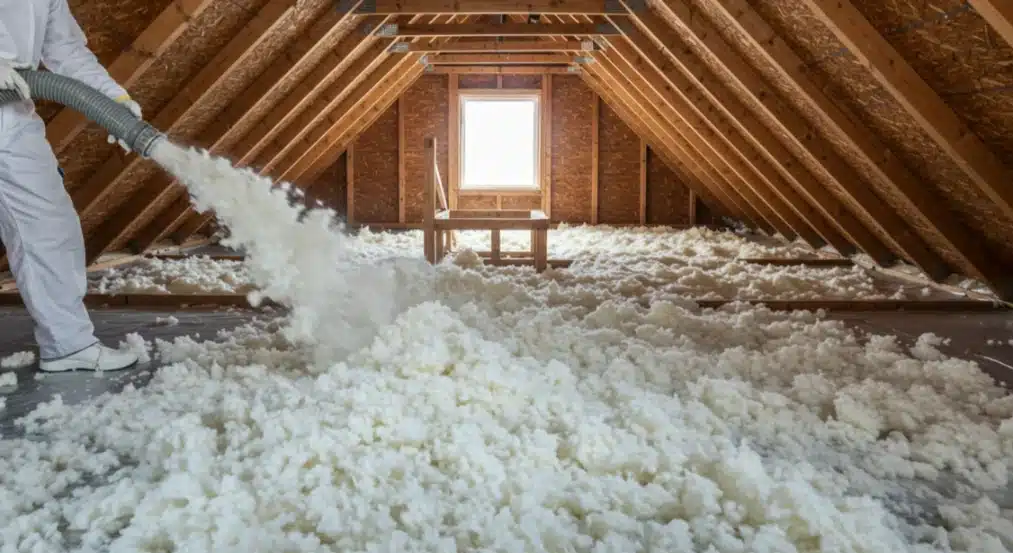
On installation day, the team sets up the blowing machine, usually housed in a truck or trailer parked outside. A large hose is run from the machine through a window or door and up into the attic. This process involves minimal disruption inside the main living areas of the house.
One technician manages the machine outside, loading the compressed bags of material, while a second technician works inside the attic, directing the hose and ensuring even, consistent coverage over the attic floor joists and existing insulation solution. Using the depth markers placed earlier, the technician ensures the target R-value depth is met across the entire area.
Final Safety and Structural Checks
Before committing to installation, evaluate the current state of the attic and specific performance goals. While the home’s age, regional climate, and existing insulation type influence the decision, safety checks are paramount.
For instance, check the structural capacity of the attic floor, especially when choosing high-density materials like dense-packed cellulose, which adds more weight than fiberglass. You must also confirm that all recessed lights are rated for contact with insulation (IC-rated) or that proper barriers are installed around non-IC-rated fixtures to prevent overheating and fire hazards.
A study published by the EPA suggests that homeowners who properly air seal and insulate their attics can often reduce heating and cooling costs by 15% or more. This potential for savings is a key factor in calculating the project’s return on investment.
Immediate and Long-Term Results
Once the installation is complete, immediate improvements in home comfort are noticeable. Rooms feel more uniformly tempered, and HVAC systems run less often because the conditioned air stays inside the living space longer. This reduced HVAC run-time translates directly to energy bill savings.
In the long term, proper attic insulation protects the home from everyday issues. By keeping the attic cool in the summer and consistent in the winter, the insulation helps prevent ice dam formation in cold regions and reduces humidity-related problems year-round. An analysis from the Building Performance Institute shows that addressing thermal boundaries and air leakage is the most cost-effective way to achieve meaningful energy savings in residential buildings.
Evaluating Your Home Performance
Understanding the expectations for blown-in insulation helps homeowners make informed decisions to maximize efficiency and comfort. The upfront work of air sealing and ensuring the correct R-value for the climate zone dictates the project’s long-term success. Focusing on these practical details ensures the investment provides sustained benefits for years to come.
Ready to Plan Your Insulation Project
If the home is experiencing temperature inconsistency, high heating bills, or uncomfortable rooms, blown-in insulation is likely the most direct solution. Assessing your current attic conditions and identifying the appropriate R-value requirements is the starting point. For guidance on material selection or to understand the scope of the pre-installation air sealing required, contact All Foam & Insulation, LLC at (541) 826-9600. Direct inquiries can also be sent via email to [email protected], ensuring all specific questions about the installation process are answered efficiently.
Practical Questions About Attic Insulation
How long does the installation take?
Most standard blown-in insulation jobs in a typical residential attic can be completed in 4 to 6 hours, depending on the size of the attic and the extent of the air-sealing preparation.
Is blown-in insulation messy?
Professional installers take steps to contain dust and debris. They use temporary barriers and ground cloths, and the material is blown directly into the confined attic space. While some residual dust may be present, the house’s living areas should remain clean.
Do I need to remove old insulation?
Generally, no. If the existing insulation is dry, mold-free, and undamaged, the new blown-in material can be applied directly over it. Removal is necessary only if the old insulation is contaminated, wet, or infested with pests.
What is the expected lifespan?
When installed correctly and kept dry, blown-in cellulose and fiberglass can last for the entire lifespan of the house, typically 80 to 100 years. Their effectiveness only decreases if they become wet, heavily compacted, or compromised by pests.
Does the insulation settle over time?
Yes, both materials settle slightly, reducing the initial R-value depth. Professional installers account for this by blowing the material to a greater initial depth to ensure the required R-value is maintained even after initial settling.
Sources
- Energy Star – Provides recommended insulation levels and climate zone maps for maximizing energy efficiency in residential homes.
- EPA – U.S. Environmental Protection Agency data regarding the potential energy savings achievable through proper attic insulation and air sealing.
- Building Performance Institute – Resources discussing the cost-effectiveness and impact of improving the building envelope, including insulation and air leakage measures.