You wake up in the middle of winter, put your feet on the floor, and feel an immediate chill. You check the thermostat, bump the heat up a few degrees, and wait. But the draft persists, and your energy bill keeps climbing higher every month. This is a familiar story for many homeowners and builders, but the solution often lies in what you can’t see behind your walls. Insulation is the unsung hero of building performance, and not all insulation is created equal.
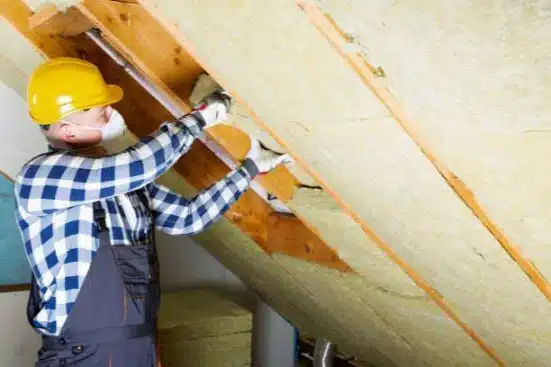
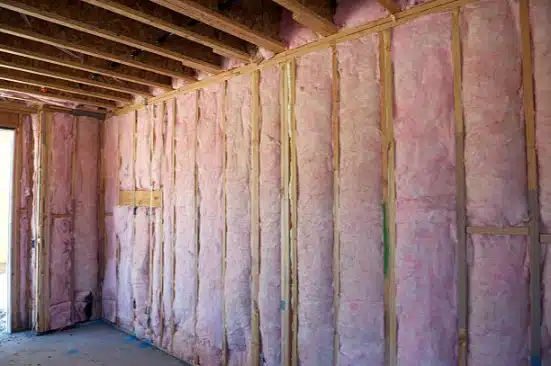
For decades, standard fiberglass batts were the default choice. They are cheap and easy to find, but they leave gaps and allow air to pass through. Closed-cell spray foam insulation has changed the game entirely. It acts as an insulator and an air barrier in one product. This guide covers everything you need to know about this high-performance material, from the chemistry that makes it work to the real-world savings you can expect on your utility bills.
Drawing from years of field experience and technical knowledge, this resource walks you through the science, installation, and economics of closed-cell foam. By the end, you will know whether it is the right fit for your project and how to ensure it is installed correctly.
What is Closed-Cell Spray Foam Insulation?
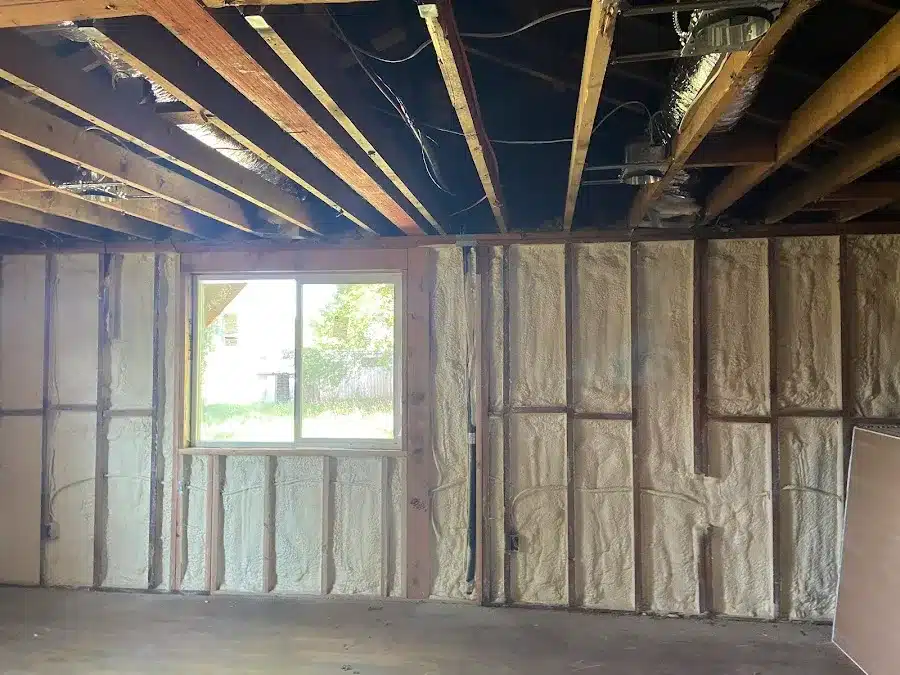
Closed-cell spray foam is a chemical product created by mixing two distinct components, isocyanate and polyol resin. When these substances meet at the tip of a spray gun, they react instantly and expand to create a rigid plastic foam. Unlike open-cell foam, which is soft and sponge-like, closed-cell foam is hard and dense.
The name “closed-cell” comes from its microscopic structure. The foam consists of millions of tiny bubbles or cells that are completely closed off from one another. These cells are filled with a gas that helps the foam resist heat flow. Because the cells are sealed, air and moisture cannot move through the material. This is the defining characteristic that separates it from almost every other insulation type on the market.
This material expands significantly when applied, usually about 30 to 60 times its liquid volume. However, it does not expand as much as open-cell foam. This controlled expansion allows it to fill cavities without creating excessive pressure that could bow your walls. Once cured, it forms a solid, structural layer that adheres tenaciously to wood, concrete, and metal.
The Science Behind the R-Value
To understand why this insulation is so effective, you have to look at the R-value. R-value is a measure of thermal resistance. It tells you how well a material resists the flow of heat. The higher the number, the better the insulation works.
Most traditional insulations, like fiberglass or cellulose, rely on trapped air to slow down heat transfer. They stop convection, but they struggle with radiant heat and air movement. Closed-cell foam takes a different approach. It creates a solid barrier that stops all three types of heat transfer: conduction, convection, and radiation.
The density of closed-cell foam is where it shines. It typically has an R-value of around R-6 to R-7 per inch of thickness. In comparison, standard fiberglass batts offer about R-3.5 per inch. This means you can achieve a higher thermal performance in a much thinner layer of wall space.
Expert Tip: When comparing quotes, do not just look at the advertised total R-value. Ask for the installed thickness. Some contractors might claim a high R-value but calculate it based on aged performance rather than the initial R-value. Knowing the specific depth helps ensure you get what you pay for.
However, R-value is not the only factor. Air tightness matters just as much. A wall insulated with fiberglass might have an R-19 rating on paper, but if air is leaking through the gaps around the studs, the effective performance drops dramatically. Closed-cell foam eliminates those gaps, ensuring the R-value you pay for is the R-value you actually get.
Core Benefits of Choosing Closed-Cell Foam
The popularity of this material has grown for several reasons. It offers specific advantages that other insulation types simply cannot match.
Superior Air Sealing
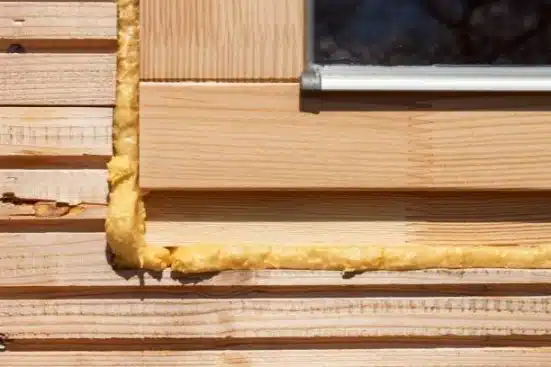
The biggest source of energy loss in most buildings is air leakage. Air leaks through cracks around windows, outlets, and sill plates. Fiberglass insulation does not stop air flow. It acts like a filter, trapping dust while allowing the draft to pass through. Closed-cell foam expands to fill every crack, crevice, and penetration. It creates an airtight seal that prevents conditioned air from escaping and outside air from entering.
Moisture Resistance
Moisture is the enemy of building durability. It leads to mold growth, wood rot, and poor indoor air quality. The closed-cell structure of this foam is essentially impermeable to water. It acts as a vapor barrier, preventing moisture from humid interior air from passing into your wall cavities and condensing. It also sheds liquid water, making it an excellent choice for crawl spaces and basements where dampness is common.
Structural Strength
This is a benefit many people overlook. Because the foam is rigid and adheres strongly to the building materials, it adds structural integrity to the home. It acts like a glue. The Spray Polyurethane Foam Alliance notes that spray foam insulation can increase the racking strength of walls by up to 300%. This means your home is better able to withstand high winds and shear forces.
Space Savings
In remodeling projects, every inch of space counts. Because closed-cell foam has a high R-value per inch, you can achieve the desired thermal performance with less thickness. This preserves interior floor space while meeting energy code requirements.
How Spray Foam Insulation is Installed
Installing spray foam is not a DIY job. It requires specialized equipment, protective gear, and training. The process involves high pressures and temperatures that can be dangerous for untrained individuals.
Site Preparation
Before any spraying begins, the area must be prepared. Installers cover windows, doors, and floors with plastic sheeting to protect against overspray. The area must be well-ventilated because the fumes during application are strong. Electrical and plumbing fixtures are masked off to prevent them from being coated.
The Mixing Process
The installers use a mobile or portable rig to heat the two chemical barrels. The chemicals must be kept at specific temperatures to ensure proper reaction and expansion. Hoses carry the heated liquids to the spray gun.
Application
The applicator sprays the liquid mixture onto the substrate. It lands as a liquid and expands rapidly into a foam. Installers apply the foam in layers, often called passes, to control the heat generated during the chemical reaction. Applying too much at once can scorch the foam or even create a fire hazard. The typical maximum lift is about two inches per pass.
Curing and Trimming
The foam cures and hardens quickly. Once it is fully expanded and cured, the installers use saws or planers to trim the excess foam flush with the wall studs. This creates a smooth surface ready for drywall or other wall coverings.
Expert Tip: If you are building a new home, consider having the plumbing and electrical wires run after the insulation is sprayed. This requires coordination with your electrician and plumber, but it allows the foam to fully seal the cavity without holes cut into it later for wires. If wires must be run first, ensure the installer thoroughly foams around them.
Closed-Cell vs. Open-Cell Spray Foam
People often confuse these two products, but they are very different. Choosing the right one depends on your specific needs and budget.
Density and Rigidity
Closed-cell foam is dense and rigid. It feels like hard plastic. Open-cell foam is soft and flexible, almost like a marshmallow. Because of its density, closed-cell foam can actually support weight if needed, whereas open-cell foam would crush under pressure.
Air and Moisture Permeability
Closed-cell foam stops air and moisture vapor completely. It is a vapor barrier. Open-cell foam stops air but allows moisture vapor to pass through. This means open-cell foam is not suitable for exterior applications in cold climates without a separate vapor barrier, as moisture could get trapped inside the wall.
Cost
Closed-cell foam is generally more expensive per board foot than open-cell foam. The raw materials cost more, and you need more of them to achieve the same physical thickness because the foam does not expand as much. However, because it has a higher R-value per inch, you often need fewer inches of closed-cell foam to meet code requirements.
Table: Comparing Closed-Cell and Open-Cell Insulation
| Feature | Closed-Cell Foam | Open-Cell Foam |
|---|---|---|
| Cell Structure | Closed, gas-filled | Open, air-filled |
| R-Value per Inch | 6.0 – 7.0 | 3.5 – 3.8 |
| Vapor Barrier | Yes (Class II vapor retarder) | No (Highly permeable) |
| Density | High (approx. 2 lbs/ft³) | Low (approx. 0.5 lbs/ft³) |
| Expansion Rate | Moderate (30x-60x) | High (100x-200x) |
| Best Application | Exterior walls, crawl spaces, and metal buildings | Interior walls, attics, sound deadening |
Key Takeaways:
- Closed-cell foam is the superior choice for exterior applications, crawl spaces, and anywhere moisture control is a priority. It is the premium option for maximum energy efficiency.
- Open-cell foam works well for interior soundproofing or attics where the roof deck needs to “breathe,” provided a separate vapor barrier strategy is in place. It is less expensive but requires more thickness to match the thermal performance of closed-cell foam.
Typical Applications and Best Uses
Knowing where to use closed-cell foam is just as important as knowing what it is. Its properties make it ideal for specific building scenarios.
Attics
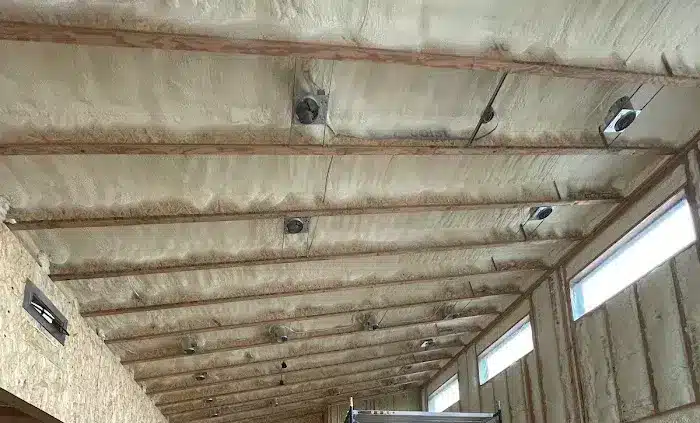
In traditional attics, insulation is laid on the floor of the attic space. This leaves the attic itself vented to the outside, which means your ductwork runs through extreme heat or cold. With closed-cell foam, you can insulate the roof deck, known as an unvented attic. This brings the ductwork and storage space into the conditioned envelope of the home. This drastically reduces energy loss and helps prevent ice dams on the roof in cold climates.
Crawl Spaces and Basements
Crawl spaces are notoriously damp and moldy. Fiberglass insulation installed between floor joists in a crawl space often absorbs moisture, sags, and eventually falls out. Spraying closed-cell foam on the rim joists and the crawl space walls transforms the area into a semi-conditioned space. It seals out ground moisture and outside air, making the floors above warmer and the indoor air healthier.
Metal Buildings
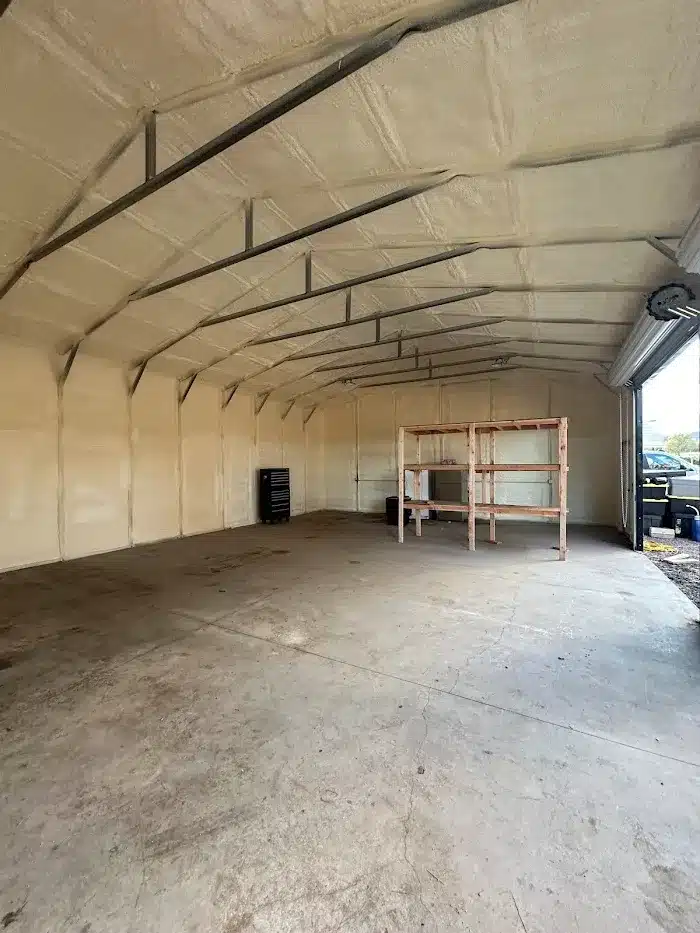
Metal buildings are notorious for thermal bridging. The metal framing conducts heat directly through the walls, bypassing the insulation layer. Because closed-cell foam adheres directly to the metal and fills the flute spaces, it significantly reduces this thermal bridging. It also prevents condensation on the metal, which is a major issue in metal structures that can lead to rust and dripping.
Rim Joists
The rim joist is the area where the floor joists sit on top of the foundation wall. This is often a major source of air leakage in homes. It is difficult to seal with rigid foam or fiberglass. A few inches of closed-cell foam sprayed here creates a tight seal and immediately boosts the home’s overall efficiency.
Potential Challenges and Misconceptions
No building material is perfect, and closed-cell spray foam comes with its own set of challenges that homeowners and builders must manage.
Cost
The upfront cost is the biggest hurdle. It is significantly more expensive than fiberglass batts. However, focusing only on the initial price tag is misleading. You must consider the return on investment (ROI). The U.S. Department of Energy estimates that heating and cooling account for about 48% of the energy use in a typical U.S. home. High-performance insulation reduces this load substantially. Over time, the monthly savings can offset the higher installation cost.
Installation Quality
The performance of spray foam is entirely dependent on the installer. A bad batch, incorrect temperature, or improper mixing can result in foam that shrinks, cracks, or fails to adhere. These issues are invisible once the wall is closed up. Always hire certified installers who understand the chemistry and the equipment.
Off-Gassing
When spray foam is first applied, it releases a strong odor and volatile organic compounds (VOCs). Occupants should not be in the home during installation and should not return until the foam has fully cured and the area has been ventilated. This usually takes 24 to 48 hours. Reputable contractors use low-VOC formulations and perform air quality testing before you re-enter the space.
Expert Tip: Always ask your contractor for a certificate of insurance and proof of manufacturer training. Spray foam mishaps are expensive to fix. Ensuring your contractor is accredited protects you from liability if something goes wrong during the installation process.
Building Codes and Compliance
Building codes have become stricter regarding insulation, and they have specific rules for spray foam. Local jurisdictions follow either the International Residential Code (IRC) or the International Energy Conservation Code (IECC).
Thermal Barriers
Spray foam is a plastic, and plastics can burn. Therefore, the code requires a thermal barrier to separate the foam from the living space. In most cases, half-inch drywall serves as this thermal barrier. If the foam is installed in a crawl space or attic where a drywall ceiling is not practical, you may need an ignition barrier coating. This is a specially formulated paint or intumescent coating that protects the foam from catching fire for a specific period.
Ventilation Requirements
Because spray foam makes a home so tight, building codes often require mechanical ventilation. You need fresh air exchange to maintain healthy indoor air quality. This usually involves installing an HRV (Heat Recovery Ventilator) or an ERV (Energy Recovery Ventilator). These systems bring in fresh air while exhausting stale air, transferring heat from the outgoing air to the incoming to save energy.
Market Trends and Adoption
The use of spray foam insulation has seen steady growth over the last decade as energy codes become more demanding. According to a report by the Spray Polyurethane Foam Alliance, the North American spray foam insulation market has seen significant expansion driven by the demand for energy-efficient building envelopes. The industry has also innovated to develop more environmentally friendly blowing agents with lower global warming potential, making the product a more sustainable choice for the future.
Measuring Success and ROI
How do you know if the investment is worth it? You can measure success through energy savings and comfort improvements.
Energy Audits
Before and after the installation, you can perform a blower door test. This test measures the air tightness of the home. A home insulated with closed-cell foam will typically show a dramatic reduction in air leakage, often exceeding 50% or more compared to a house with traditional insulation.
Utility Bill Analysis
Look at your heating and cooling bills before and after the project, adjusting for weather differences. While other factors play a role, a properly insulated home should show a clear downward trend in energy consumption. Market data suggests that homeowners can save anywhere from 10% to 50% on their energy bills, depending on the severity of the climate and the quality of the previous insulation. Data from the U.S. Energy Information Administration consistently highlights that air sealing and insulation are among the most cost-effective ways to improve home energy efficiency.
Comfort Metrics
Sometimes the numbers do not tell the whole story. Success is also measured in comfort. Do you have cold spots? Are your floors drafty? Does your furnace run constantly? A well-insulated home maintains a consistent temperature from floor to ceiling and wall to wall. Your HVAC system will run less frequently and for shorter cycles, which also extends the equipment’s lifespan.
Key Takeaways:
- Investment: Closed-cell foam requires a higher upfront budget but pays dividends through long-term energy savings.
- Health: Proper ventilation is non-negotiable when sealing a home tightly.
- Quality: The installer matters more than the brand. Vet your contractors thoroughly.
Frequently Asked Questions About Closed-Cell Spray Foam
Does closed-cell spray foam need a vapor barrier?
No, closed-cell spray foam acts as its own vapor barrier. It has a low perm rating, meaning moisture cannot easily pass through it. This eliminates the need for an additional plastic sheeting vapor retarder that is required with fiberglass insulation in many climates.
Can I spray foam insulation over existing insulation?
In most cases, it is not recommended to spray foam over existing fiberglass or cellulose. The old insulation can trap moisture between it and the foam, and it prevents the foam from adhering properly to the wall sheathing. For the best performance, the old insulation should be removed first.
Is spray foam insulation safe for my family?
Once the foam is fully cured and off-gassing is complete, it is safe and inert. During the curing process, it releases fumes that can be harmful if inhaled in high concentrations. Occupants must stay out of the home during installation and until the contractor confirms it is safe to re-enter.
How long does closed-cell spray foam last?
Closed-cell spray foam is very durable. It does not settle, sag, or degrade over time. As long as it is protected from UV exposure (sunlight) and physical damage, it can easily last for the lifetime of the building, which is often considered to be 80+ years.
Why is closed-cell foam more expensive than other options?
The cost comes from the raw chemical materials and the specialized labor required to install it. The chemicals are complex petroleum-based products. Additionally, the equipment rigs are expensive to operate and maintain. The higher cost reflects the higher performance and longevity of the product.
Will spray foam insulation make my house too tight?
It can make your house very tight, which is actually the goal for energy efficiency. However, this necessitates mechanical ventilation to ensure fresh air exchange. Modern building codes recognize this and require ventilation systems in homes of this tightness to ensure healthy indoor air quality.
Putting Your Spray Foam Strategy into Action
Deciding on insulation is a major decision that affects your wallet, comfort, and health for decades to come. Closed-cell spray foam offers a high-performance solution that excels in air sealing, moisture resistance, and structural support. It is particularly effective in challenging environments like crawl spaces, attics, and metal buildings where traditional insulation fails.
The key to success lies in proper planning and execution. You need to calculate your ROI, ensure your home is properly ventilated, and, most importantly, hire a qualified contractor who understands the complexities of the product. Do not cut corners on the installation. A perfect product applied poorly will not perform as intended.
Use this guide as a reference as you plan your project. Whether you are building a new home or retrofitting an existing one, understanding these principles empowers you to make decisions that will keep your home efficient and comfortable for years to come.
Need Expert Guidance?
Choosing the right insulation strategy involves many variables, from climate to budget. All Foam & Insulation, LLC is ready to help you navigate these options and find the best solution for your specific situation. If you have questions about your project or need a professional assessment, reach out to the team. You can contact All Foam & Insulation, LLC by email at [email protected] or by phone at (541) 826-9600. Professional guidance ensures your investment pays off.
Sources
- Spray Polyurethane Foam Alliance – A trade association providing technical data, safety guidelines, and market information regarding spray polyurethane foam.
- U.S. Department of Energy – Official government resource for energy efficiency information, including data on heating and cooling costs and insulation performance.
- U.S. Energy Information Administration – The statistical and analytical agency within the U.S. Department of Energy that provides data on energy consumption and trends.