High energy bills, drafty rooms, and inconsistent temperatures are common frustrations for homeowners. You feel a chill in the winter, even with the heat cranked up, and in the summer, your air conditioner seems to run constantly without providing much relief. Often, the hidden cause is poor insulation and air leakage. Your home is essentially breathing through thousands of tiny gaps, letting conditioned air escape and outdoor air seep in. This is where modern insulation solutions can make a significant difference, and open-cell spray polyurethane foam (ocSPF) is one of the most effective options for specific areas of your home.
Understanding insulation can feel complicated. You’ve probably heard about R-values, vapor barriers, and different material types, but it’s hard to know what’s right for your situation. This guide is designed to clear up the confusion around open-cell spray foam. Drawing from years of field experience, All Foam & Insulation, LLC has put together this complete resource to explain what this material is, how it works, and where it can be used most effectively to improve your home’s comfort, efficiency, and quietness.
Here’s what you will learn:
- The Fundamentals: A clear explanation of what open-cell spray foam is and what makes it different from other insulation.
- Key Advantages: A detailed look at the primary benefits, including air sealing, sound dampening, and moisture management.
- Best-Fit Applications: A room-by-room guide on where open-cell foam truly excels, from attics and roof decks to interior walls.
- Areas to Avoid: Honest advice on where this type of foam is not the best choice and what to use instead.
- The Professional Installation Process: A transparent overview of what to expect when professionals apply spray foam in your home.
By the end of this guide, you’ll have a clear and confident understanding of how open-cell spray foam works and whether it’s the right solution for your home’s unique needs.
What Exactly Is Open-Cell Spray Foam?
Open-cell spray foam is a type of spray polyurethane foam (SPF) insulation. It’s created on-site by mixing two liquid components that react, expand, and harden into a foam matrix. The “open-cell” name comes from its structure; the tiny cells within the foam are not completely closed. Think of it like a sponge. This structure gives it unique properties that set it apart from its denser cousin, closed-cell spray foam.
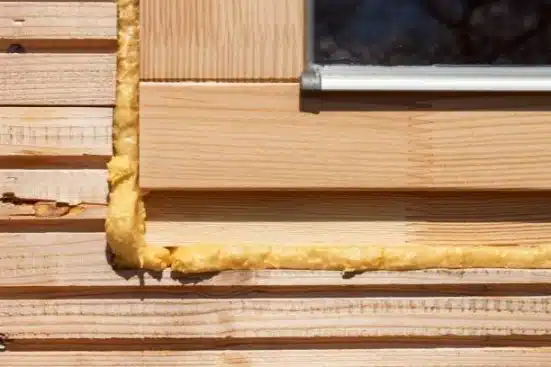
When sprayed into a cavity like a wall stud bay or between roof rafters, it expands dramatically, often up to 100 times its initial volume. This expansion allows it to fill every crack and crevice, creating a continuous barrier that blocks airflow. This air-sealing capability is one of its biggest strengths.
A key performance metric for insulation is its R-value, which measures resistance to heat flow. Open-cell foam typically has an R-value of around R-3.5 to R-3.8 per inch. While this is lower than closed-cell foam, its effectiveness comes from its superior ability to stop air leakage. The U.S. Department of Energy states that air leakage can account for a significant portion of a home’s heating and cooling costs, so stopping these drafts is just as important as having a high R-value.
Open-Cell vs. Closed-Cell Foam: A Quick Comparison
Choosing the right type of spray foam depends entirely on the application. Neither is universally “better,” but each has areas where it performs best. The most important difference for application purposes is vapor permeability. Open-cell foam’s sponge-like structure allows water vapor to move through it. This can be a major advantage in certain climates and building assemblies, as it lets the structure breathe and dry out if moisture gets in. Closed-cell foam, on the other hand, blocks water vapor completely.
Key Takeaways
- Open-cell spray foam is a low-density insulation that expands to create a powerful air seal.
- Its defining features are its spongy, open-cell structure, excellent sound absorption, and vapor permeability.
- It is not a one-size-fits-all solution; its properties make it ideal for certain applications and unsuitable for others.
The Core Benefits: Why Choose Open-Cell Foam?
Beyond just insulating, open-cell foam offers several advantages that contribute to a healthier, more comfortable, and more efficient home.
Unmatched Air Sealing
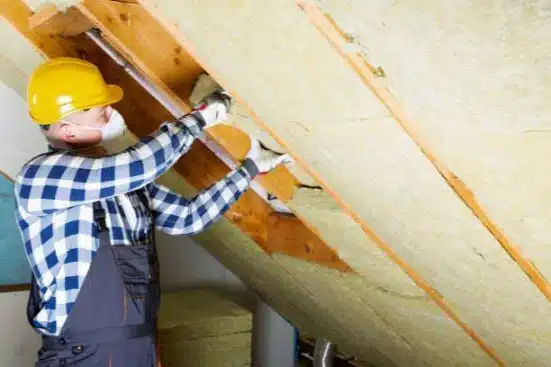
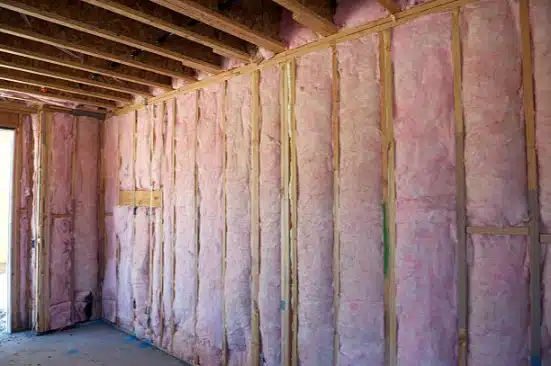
Traditional insulation like fiberglass batts or blown-in cellulose can leave small gaps and voids around outlets, plumbing, and framing. Air can move freely through these gaps, leading to drafts and energy loss. Open-cell foam’s expansive nature eliminates this problem. It creates a monolithic, airtight seal that conforms perfectly to any shape, stopping air leakage in its tracks. A report from the U.S. Environmental Protection Agency points out that reducing air leakage is a top priority for improving energy efficiency and indoor air quality. By stopping uncontrolled air movement, you gain better control over your indoor environment.
Superior Sound Dampening
If you’re looking to reduce noise from outside or between rooms, open-cell foam is an excellent choice. Its soft, flexible structure is fantastic at absorbing sound waves. The noise from traffic, neighbors, or even a loud home theater can be significantly reduced when open-cell foam is installed in exterior or interior walls. This makes it a popular choice for media rooms, home offices, bedrooms, and laundry rooms.
Smart Moisture Management
Because open-cell foam is vapor-permeable, it allows building materials to dry if they get wet. In a wall assembly, for instance, if a small leak were to occur, the water vapor could pass through the foam and evaporate, rather than getting trapped. This can help prevent the hidden growth of mold and mildew, which require moisture to thrive. In many climate zones, this “breathability” is a major asset for long-term building health.
Cost-Effectiveness
For above-grade applications where a vapor barrier is not required, open-cell foam is generally less expensive than closed-cell foam. Because it uses less material to fill the same space due to its high expansion rate, the overall project cost can be lower. This makes it an attractive option for projects like insulating an attic roof deck or filling standard wall cavities.
Prime Applications: Where Open-Cell Foam Excels
Knowing where to use open-cell foam is the key to getting the most out of your investment. Its unique properties make it a perfect fit for several key areas in a home.
Attics and Vented Roof Decks
One of the most popular and effective applications for open-cell foam is on the underside of the roof deck in an attic. This method creates what is known as an “unvented” or “conditioned” attic. Instead of letting cold winter air and hot summer air into the attic through vents, you seal the attic completely and make it part of the home’s conditioned space.
Expert Tip: When creating an unvented attic with open-cell foam, it’s important to ensure all combustion appliances (like furnaces or water heaters) are properly vented directly outside or replaced with high-efficiency, direct-vent units.
This approach offers several benefits:
- Protects HVAC Equipment: If your air handler or ductwork is in the attic, it’s now operating in a conditioned space, not an extreme environment. This reduces energy loss from ducts and can extend the life of your equipment.
- Prevents Ice Dams: In cold climates, a warm attic can melt snow on the roof, which then refreezes at the eaves, creating ice dams. By insulating the roof deck, you keep the roof surface cold and prevent this cycle.
- Adds Usable Space: The attic can be used for storage without worrying about items being damaged by extreme heat or cold.
Because open-cell foam is vapor-permeable, it allows the roof deck to breathe, letting any moisture that might get in from a small roof leak dry to the inside. This makes it easy to spot a leak, as the foam will become discolored, whereas a closed-cell application might trap the moisture and hide the problem until significant rot has occurred.
Exterior Walls Above Grade
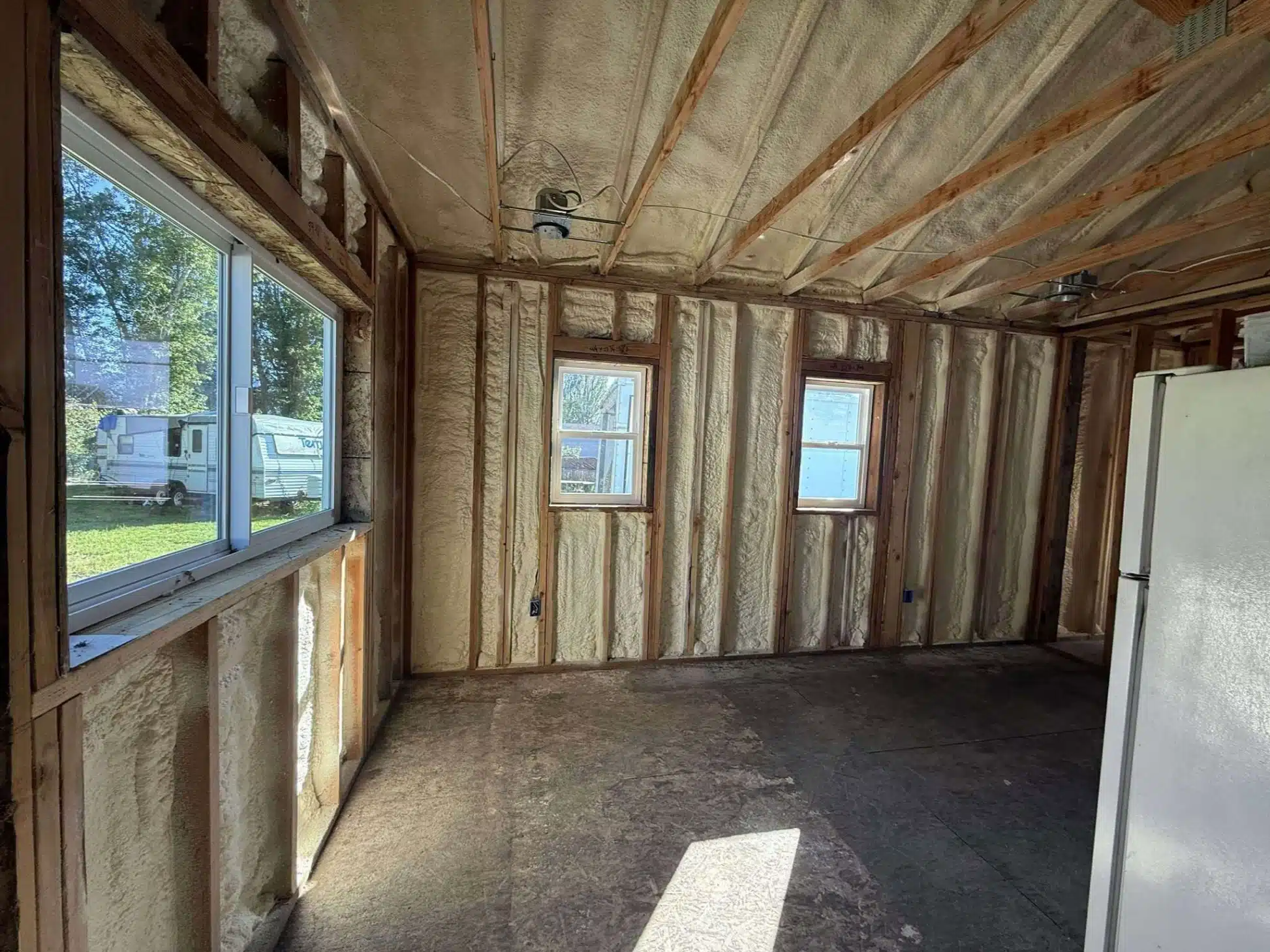
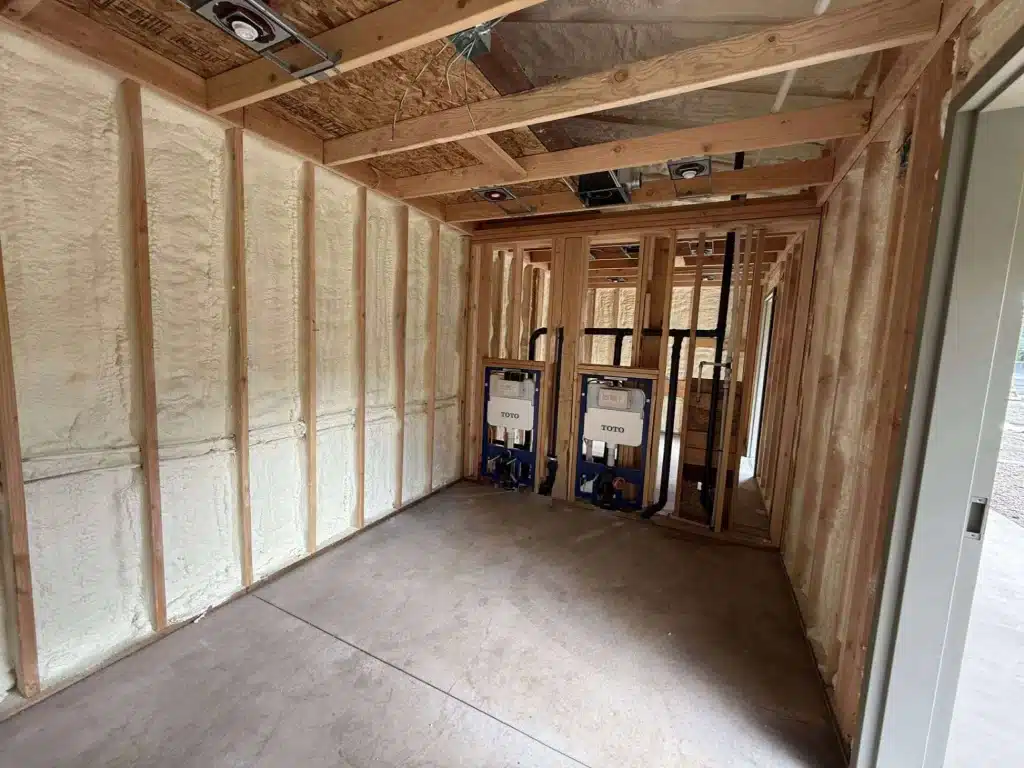
For standard 2×4 or 2×6 wall cavities in new construction or major renovations, open-cell foam is a great way to insulate and air seal in one step. It fills the cavity, sealing around wiring, pipes, and electrical boxes, eliminating the drafts common with traditional insulation. The market for building thermal insulation is growing, and a forecast from Fortune Business Insights projects significant expansion, driven by demand for energy-efficient materials like spray foam. Its sound-dampening qualities also add a layer of quiet and comfort to the home, muffling noises from the outside.
Soundproofing Interior Walls, Ceilings, and Floors
Noise transfer between rooms is a common annoyance. Open-cell foam is a fantastic solution for soundproofing. Consider using it in:
- Home Theaters: To keep movie sounds from disturbing the rest of the house.
- Home Offices: To create a quiet, productive workspace.
- Bathrooms and Laundry Rooms: To dampen the sound of plumbing and appliances.
- Between Floors: To reduce the sound of footsteps and conversations from above or below.
Its ability to absorb sound waves makes a noticeable difference in the acoustic comfort of a home.
Rim Joists
The rim joist, also called a band joist, is the wooden framing member that sits on top of the foundation wall and caps the ends of the floor joists. This is one of the leakiest areas in a home. Sealing and insulating the rim joist is a simple but highly effective way to reduce drafts and energy loss. Open-cell spray foam is perfect for this job because it easily fills the irregular spaces and seals all the small air gaps.
Where to Be Cautious: Applications to Avoid
Trustworthy advice includes knowing what not to do. Open-cell foam is an amazing product, but it’s not right for every situation. Its high vapor permeability and low density make it unsuitable for certain applications.
Below-Grade Basements and Foundations
Basement walls are in direct contact with the ground and are subject to moisture from the soil. Because open-cell foam can absorb and hold bulk water (not just vapor), it’s generally not recommended for below-grade applications. If a foundation wall leaks, the foam could become saturated. For basements, closed-cell spray foam is the superior choice. It’s waterproof, acts as a vapor barrier, and adds structural integrity.
Exterior Applications
Open-cell foam is not designed to be exposed to the elements. It’s not UV-stable and can absorb rainwater. All spray foam applications on the exterior of a building should use closed-cell foam and be protected with a weather-resistant coating.
Areas Requiring High R-Value in Limited Space
In situations where you have limited space to insulate but need a high R-value, such as in a cathedral ceiling with shallow rafters or in a tiny home, closed-cell foam is often the better option. Its higher R-value per inch (R-6 to R-7) allows you to achieve the desired thermal performance with less thickness.
The Installation Process: What to Expect
A professional spray foam installation is a carefully managed process. It’s not a DIY project due to the specialized equipment and safety protocols required.
- Preparation: This is the most important step. The installation crew will cover all surfaces not being sprayed, including windows, floors, and fixtures, with plastic sheeting. They will also ensure the area is properly ventilated.
- Safety First: Installers wear personal protective equipment (PPE), including respirators and full-body suits. Homeowners and pets must vacate the premises during the application and for a specified curing period, typically 24 hours.
- Application: The foam is sprayed as a liquid onto the target surface. It sticks instantly and begins to expand. The installer applies it in layers, or “lifts,” to achieve the desired thickness and ensure it cures correctly.
- Trimming and Cleanup: After the foam has expanded and is partially cured, any excess that has expanded beyond the studs or rafters is trimmed away to create a flat surface for drywall. The crew then removes all protective sheeting and cleans the work area.
- Curing and Re-entry: The foam needs time to fully cure and off-gas. The installer will inform you when it is safe to re-enter the home, which is usually after 24 hours. Proper ventilation during this period is essential. A study on spray foam emissions published by the American Chemical Society highlights the importance of this curing period for occupant safety.
Expert Tip: Always ask your contractor about their specific safety plan, including ventilation procedures and the re-entry timeline. A reputable company will be happy to explain its process in detail.
Putting It All Together
Open-cell spray foam is a high-performance insulation material that offers exceptional air sealing and sound dampening. Its primary strength lies in its ability to expand and fill every gap, creating a continuous barrier that stops drafts and energy loss. It is the ideal choice for applications above grade where its vapor permeability is an asset, such as in attics, walls, and floors.
By understanding where it works best, from the top of your attic to the rim joists above your foundation, you can make an informed decision about improving your home’s comfort and efficiency. It’s equally important to recognize its limitations and choose a different product, like closed-cell foam, for below-grade or exterior applications. Always remember that the performance of any insulation is only as good as its installation.
Need Expert Guidance?
Navigating the world of insulation can be challenging, but you don’t have to do it alone. If you have questions about whether open-cell spray foam is the right choice for your project, the team at All Foam & Insulation is here to help. With extensive experience in all types of insulation, we can provide an honest assessment and a professional recommendation tailored to your home. For a consultation, contact Joe at [email protected] or call (541) 826-9600 today.
Sources
- U.S. Environmental Protection Agency – Provides guidelines on improving energy efficiency and indoor air quality, highlighting the role of air sealing.
- Fortune Business Insights – Offers market analysis and growth projections for the building thermal insulation industry.
- American Chemical Society – Publishes scientific research, including studies on chemical emissions from spray foam insulation during the curing process.
Frequently Asked Questions About Open-Cell Spray Foam
What is the lifespan of open-cell spray foam?
When installed correctly and protected from direct sunlight and physical damage, open-cell spray foam should last for the life of the building. It doesn’t sag, settle, or shrink over time, maintaining its R-value and air seal performance indefinitely.
Does open-cell spray foam off-gas or have an odor?
During the application and curing process, there is a distinct odor and off-gassing of volatile organic compounds (VOCs). This is why the area must be well-ventilated and unoccupied. After the 24-hour curing period, the foam is inert and stable, and any odors should dissipate completely.
Can open-cell spray foam cause mold?
No, the foam itself is an inert substance and does not support mold growth. Reducing air leakage can help control the movement of moist air into wall cavities, which helps prevent condensation and the conditions that lead to mold. Its vapor-permeable nature also allows building assemblies to dry out, further reducing mold risk.
Is open-cell spray foam a fire hazard?
Like most building materials, spray foam will burn if exposed to a sufficient flame. However, building codes require that all foam insulation be covered by a 15-minute thermal barrier, such as half-inch drywall or a special intumescent paint. When properly covered, it does not pose an undue fire risk. The global spray foam insulation market is heavily influenced by strict building codes and safety regulations, as noted in a market analysis by Grand View Research.
Can I install open-cell spray foam myself?
No, this is a job for trained professionals only. The equipment is expensive and complex, and the chemical components require careful handling and specific temperature and pressure settings. More importantly, the safety risks associated with the chemicals during application are significant and require proper PPE and ventilation protocols.