Insulation directly improves HVAC efficiency by reducing heat transfer between your home’s interior and the outdoor environment. When insulation prevents heat from escaping during winter or entering during summer, your heating and cooling systems don’t need to run as frequently or work as hard to maintain desired temperatures. This relationship between insulation and HVAC performance means homeowners can achieve significant energy savings while extending the lifespan of their equipment. The following sections break down exactly how insulation works with HVAC systems, what types perform best in different situations, and what factors matter most when making decisions about your home’s thermal envelope.
The Science Behind Insulation and HVAC Performance
Insulation works by creating thermal resistance, measured in R-values, which slows down heat movement through building materials. Your HVAC system essentially battles against three types of heat transfer: conduction (through solid materials), convection (through air movement), and radiation (through electromagnetic waves). Proper insulation addresses all three by trapping air pockets in materials that prevent heat flow.
When insulation levels are inadequate, your HVAC system compensates by cycling more frequently and running longer periods. According to the U.S. Department of Energy, proper insulation can reduce heating and cooling costs by 15% on average, though actual savings vary by climate and home construction. This reduction occurs because the HVAC system maintains temperature setpoints with less energy expenditure.
The thermal boundary of your home should be continuous and complete. Any gaps, compressed areas, or uninsulated spaces create thermal bridges where heat can bypass your insulation. These weak spots force your HVAC system to work harder, defeating the purpose of having good insulation in the rest of the house.
Types of Insulation and Their Impact on HVAC Systems
Different insulation materials affect HVAC performance in distinct ways. The choice of insulation type depends on factors like climate, existing construction, and specific application areas within your home.
| Insulation Type | Typical R-Value per Inch | Best Applications | HVAC Impact |
|---|---|---|---|
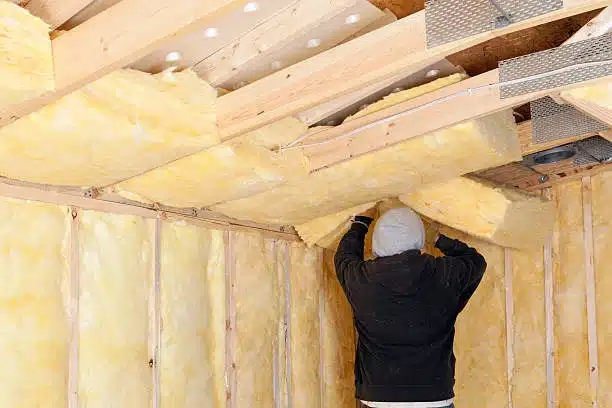
| Fiberglass Batt | 3.1-3.4 | Walls, floors, unfinished attics | Standard efficiency gain, easy installation |
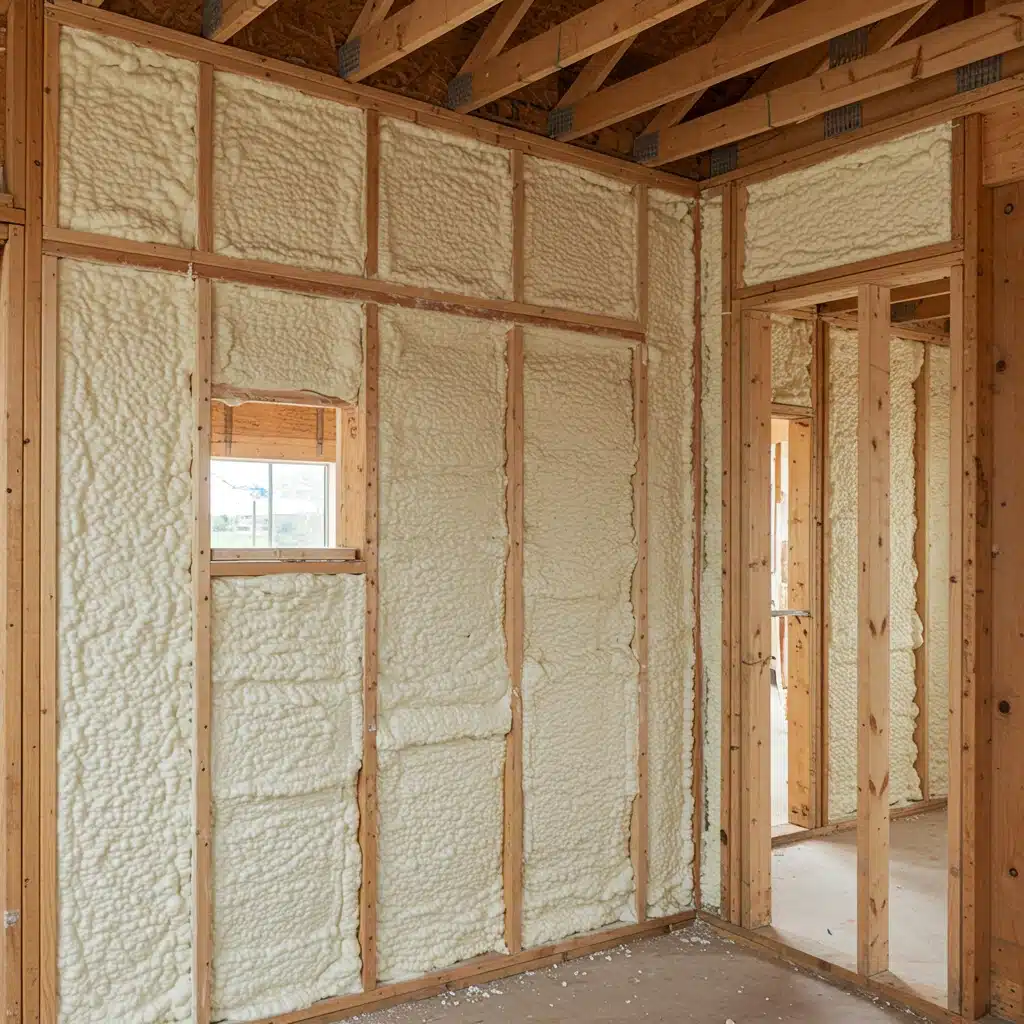
| Spray Foam | 6.0-7.0 | Hard-to-reach areas, air sealing | Highest efficiency gain due to air sealing properties |
| Cellulose | 3.2-3.8 | Attics, wall cavities | Good efficiency, excellent for retrofitting |
| Rigid Foam Board | 4.0-6.5 | Foundation walls, exterior sheathing | High efficiency, good moisture resistance |
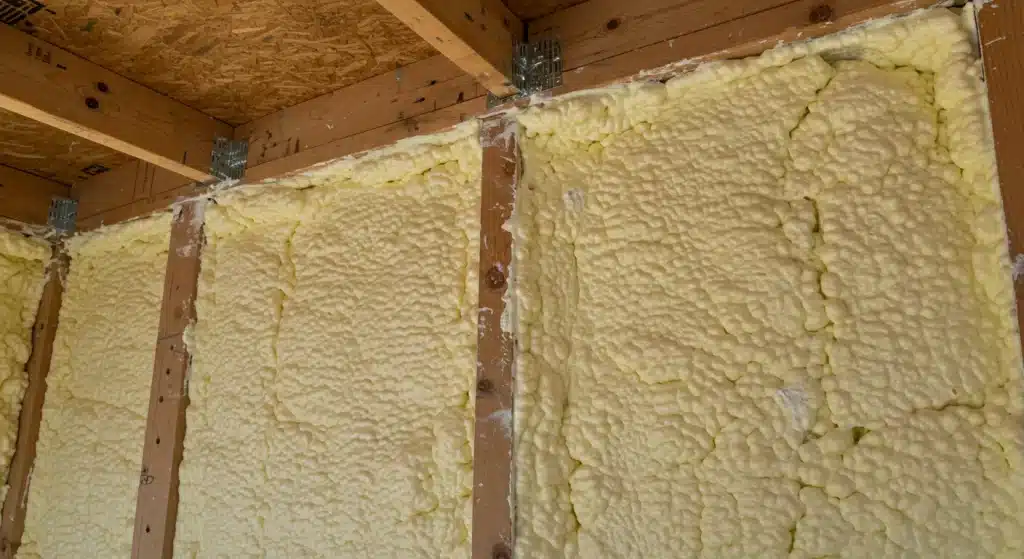
Spray foam insulation deserves special attention because it provides both insulation and air sealing in one application. This dual function can reduce HVAC load by an additional 10-15% compared to insulation alone. The material expands to fill gaps and cracks, creating an airtight barrier that traditional insulation types cannot achieve.
Bonus Tip: When choosing insulation, consider the total R-value needed for your climate zone rather than just the material type. A higher R-value in the right locations will have a greater impact on HVAC efficiency than the most expensive material installed poorly.
Regional Considerations for Insulation and HVAC Performance
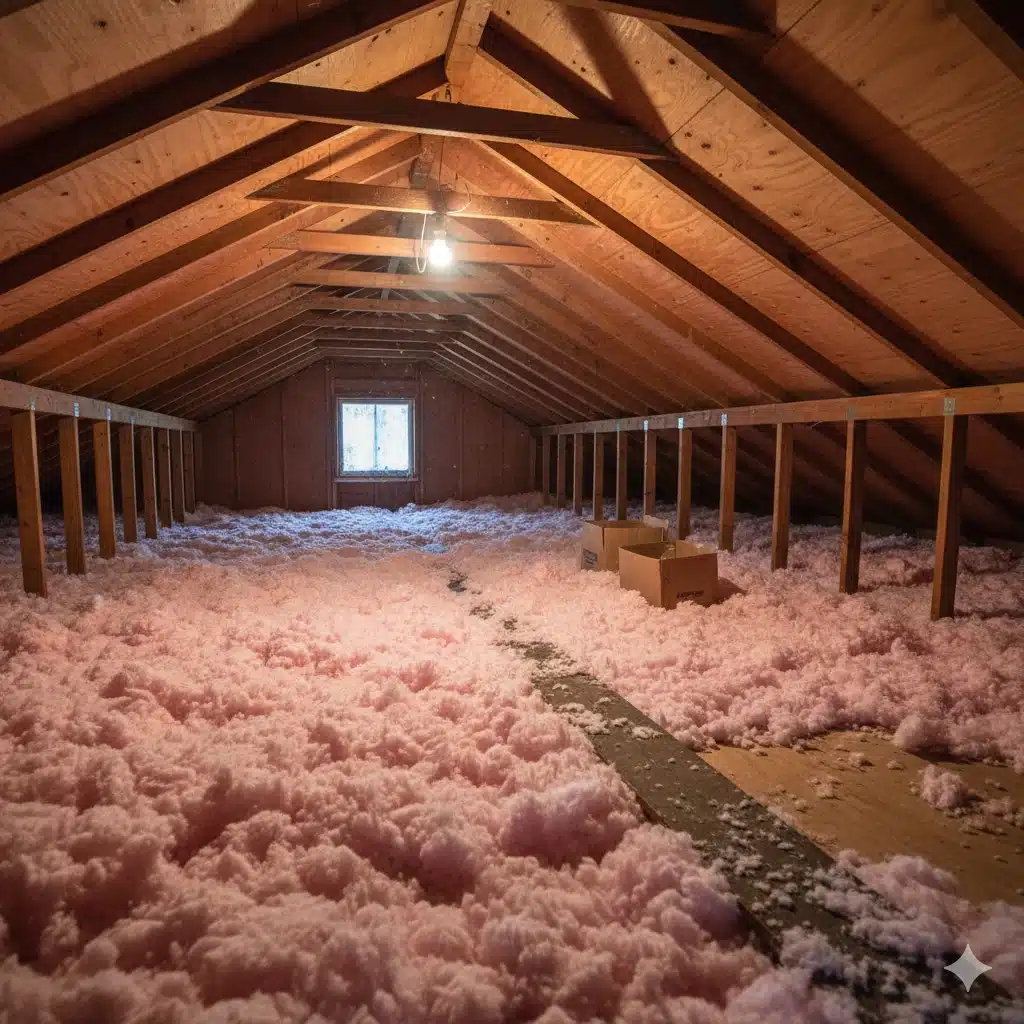
Climate zones play a significant role in determining insulation priorities and their effect on HVAC systems. In colder climates like the northern United States, preventing heat loss during the winter months is the primary concern. Here, insulation in attics and walls dramatically reduces heating loads. The International Energy Conservation Code recommends minimum attic insulation of R-49 for cold climates, which can cut heating energy use by up to 30%.
In hot climates like the southern states, blocking heat gain is more critical. Radiant barriers in attics combined with proper insulation can reduce cooling loads by 5-10%. The U.S. Environmental Protection Agency emphasizes that proper attic ventilation combined with insulation prevents heat buildup that would otherwise transfer into living spaces.
Mixed climates experience both heating and cooling demands, making balanced insulation throughout the home essential. These regions benefit from focusing on the building envelope as a complete system rather than prioritizing one season over another.
Bonus Tip: In regions with extreme temperatures, consider adding insulation to your HVAC ductwork if located in unconditioned spaces like attics or crawl spaces. Duct insulation can improve system efficiency by 10-30% by preventing energy loss during air distribution.
Things to Consider Before Making a Decision
Evaluating your home’s insulation needs requires careful consideration of several factors. First, conduct an energy audit to identify specific areas where heat transfer occurs most frequently. Professional audits use infrared cameras to visualize temperature differences and locate insulation gaps that might not be visible to the naked eye.
Consider the age and condition of your HVAC system. Older systems may see more dramatic efficiency gains from insulation improvements because they typically operate at lower efficiency standards. However, investing in insulation before replacing HVAC equipment can allow you to install a smaller, less expensive system while achieving the same comfort levels.
Moisture control is another critical factor. Some insulation materials resist moisture better than others, and improper installation can lead to condensation issues that reduce both insulation effectiveness and air quality. Homes in humid climates need vapor barriers alongside insulation to prevent moisture problems.
The payback period for insulation investments varies but typically ranges from 3-7 years. According to the North American Insulation Manufacturers Association, adding insulation to an under-insulated home offers one of the fastest returns on investment among home improvements. Tax credits and utility rebates can further reduce payback periods and improve financial returns.
Bonus Tip: When upgrading insulation, also consider sealing air leaks around windows, doors, and electrical outlets. These small openings can account for up to 30% of a home’s heat loss, significantly impacting HVAC performance regardless of insulation levels.
Key Takeaways for Optimizing HVAC Performance
Insulation improves HVAC efficiency by reducing the heating and cooling load your system must handle. The most significant gains come from creating a continuous thermal barrier without gaps or compressed areas. Focus on areas with the highest heat transfer rates first, typically attics in most climates, to maximize return on investment. Proper installation is as important as material choice, as even the best insulation underperforms if installed incorrectly. Consider your specific climate, existing construction, and HVAC system condition when planning insulation improvements. The combination of proper insulation and well-maintained HVAC equipment creates the most efficient, comfortable home environment.
Professional Assessment and Installation Services
For homeowners considering insulation improvements to enhance HVAC efficiency,a professional evaluation ensures the right solutions for your specific situation. All Foam & Insulation, LLC provides comprehensive insulation assessments to identify areas where improvements will have the greatest impact on HVAC performance and energy savings. Contact [email protected] or call (541) 826-9600 to schedule an energy audit that includes infrared thermal imaging and personalized recommendations based on your home’s unique characteristics and your local climate conditions.
Frequently Asked Questions About Insulation and HVAC Performance
What is the most cost-effective insulation upgrade?
Attic insulation typically offers the highest return on investment because it’s accessible, relatively inexpensive, and prevents the most significant heat transfer due to the stack effect and solar gain.
Can insulation reduce the size of HVAC equipment needed?
Yes, properly insulated homes require smaller HVAC systems. The rule of thumb is that every R-11 of insulation can reduce heating/cooling load by approximately 7-8%, allowing for smaller equipment sizing.
How often should insulation be replaced?
Most insulation materials last the lifetime of the home when properly installed. However, damage from moisture, pests, or construction may require partial or full replacement.
Does insulation help with noise reduction?
Yes, many insulation types provide sound dampening properties. Dense materials like cellulose and spray foam are particularly effective at reducing sound transmission between rooms.
Is more insulation always better?
Not necessarily. Beyond certain R-values, the law of diminishing returns applies. The most cost-effective approach targets weak spots in the thermal envelope rather than adding blanket coverage everywhere.
Sources
- U.S. Department of Energy – Official guidance on insulation types, R-values, and energy savings potential
- U.S. Environmental Protection Agency – Environmental and energy efficiency information including insulation impact on HVAC systems